
- Need Help?
 Virtual Appointment
- Book Appointment
- 0
 Your shopping cart is empty
Login to view previously saved items or track a recent order.
Login to view previously saved items or track a recent order.
 Back
Back07/24/2026
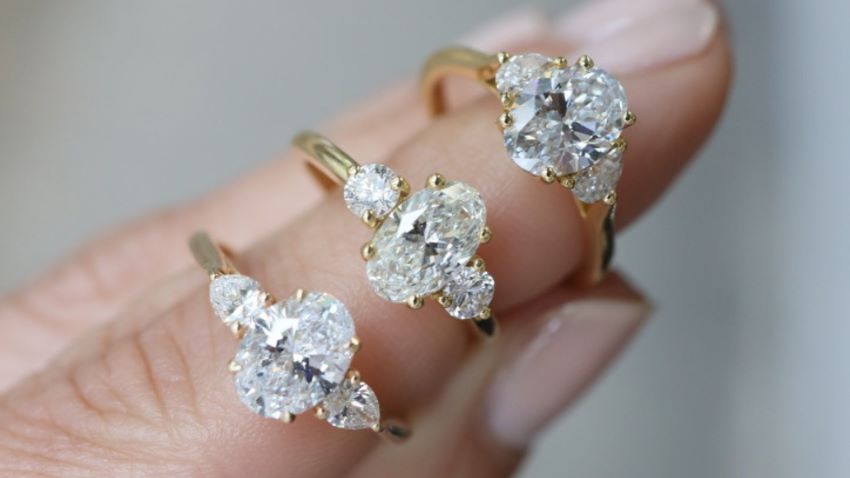
If you have started shopping for an engagement ring, you have probably wondered how your choice measures up. Carat size varies more than most people expect, and it changes depending on where you are, who you are buying from, and whether you are looking at natural or lab grown diamonds. At Harmony Jewels, we get asked about average carat size almost every week, so we wanted to lay out what we actually see across our Hatton Garden showroom.
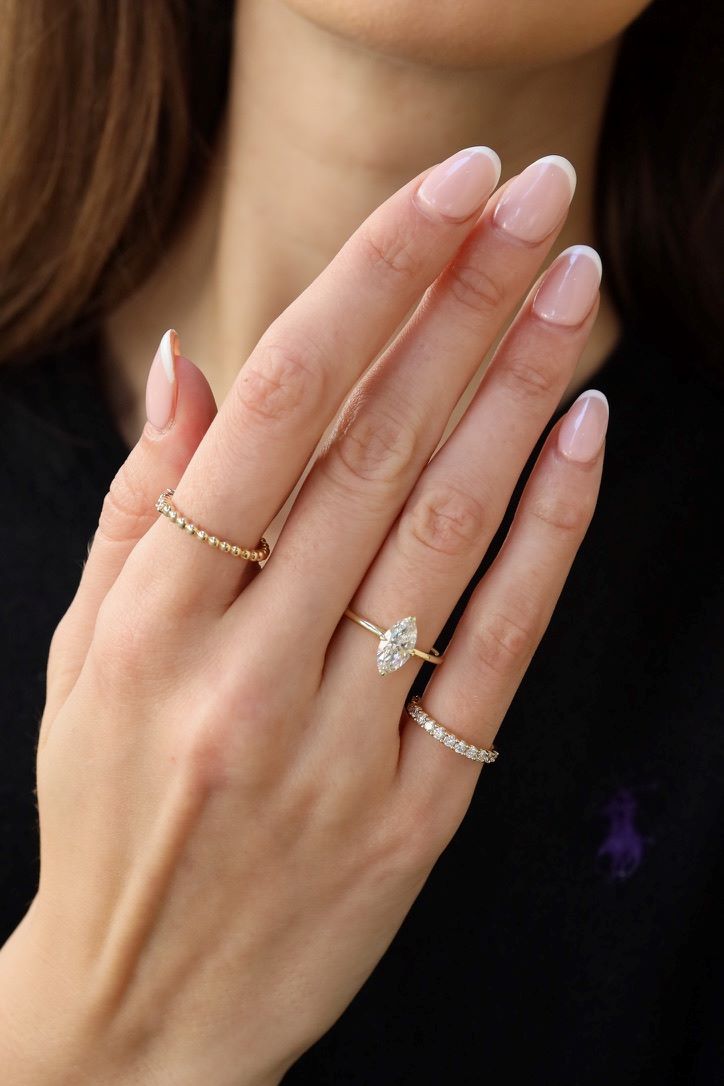
Ask five different sources what the average carat size is and you will likely get five different answers. Part of that comes down to region, and part comes down to whether a study separates natural diamonds from lab grown ones. In the United Kingdom, most reports agree on a figure of roughly 0.6 carats for natural diamonds, though London buyers tend to run higher, closer to 1.25 carats, and that gap has been widening as lab grown options make bigger stones more affordable. Across the rest of Europe, averages sit a little lower again, generally between 0.5 and 0.7 carats, with buyers in France, Italy and Spain often prioritising cut and setting over sheer size.
The United States tells a different story once lab grown diamonds are factored in. Natural diamond center stones average somewhere around 1.1 to 1.2 carats, but blended market figures that include lab grown stones push the overall average considerably higher, with some recent studies putting the combined average closer to 1.7 to 1.9 carats. Age and budget still play their usual role everywhere: younger buyers in their twenties and early thirties tend to choose smaller stones, and carat size tends to climb as clients get older, save more, and progress further in their careers.
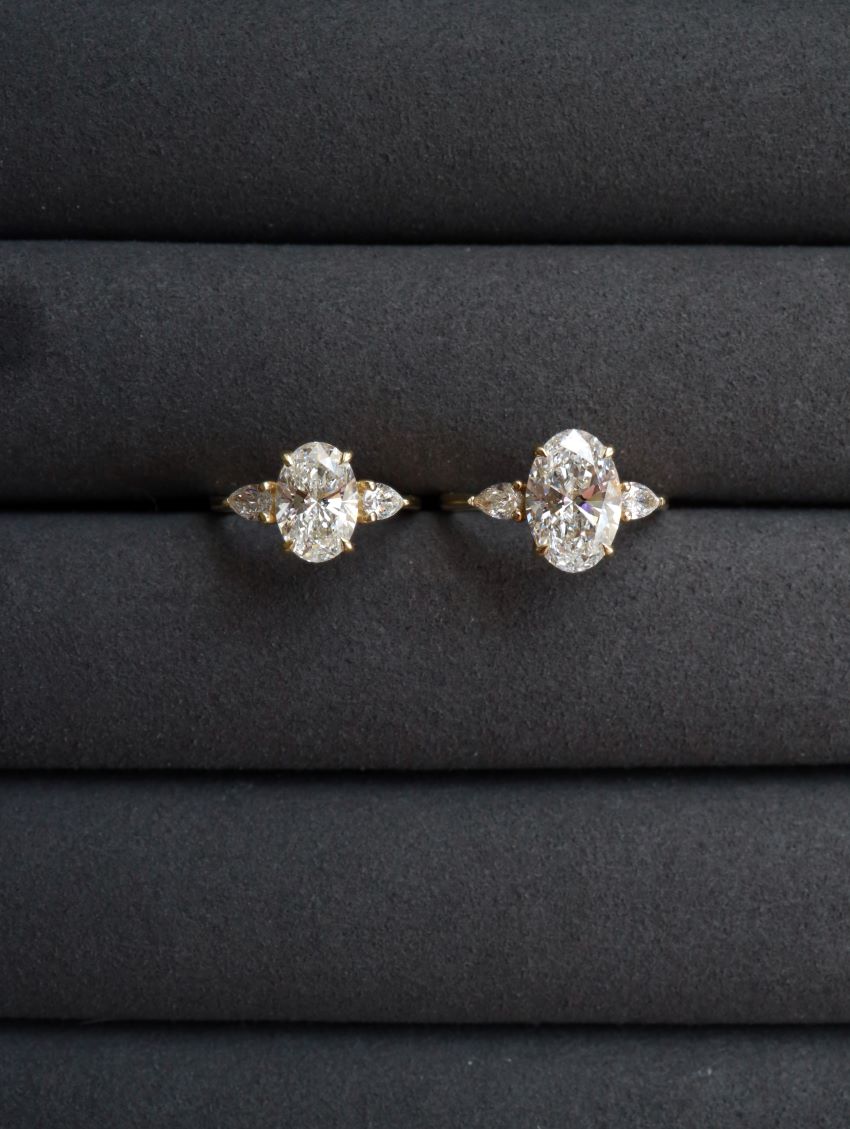
Those national averages are a useful starting point, but they do not always reflect what happens inside a bespoke jeweller. Our founder, Hari, has been setting stones in Hatton Garden long enough to know the shape of our own numbers. Across our lab grown diamonds, the average carat size our clients choose sits between two and three carats, noticeably higher than the wider market. For natural diamonds, the average lands closer to 1.5 carats. It makes sense once you consider the price difference between the two. A lab grown diamond typically costs a fraction of an equivalent natural stone, so the same budget stretches to a noticeably larger carat weight.
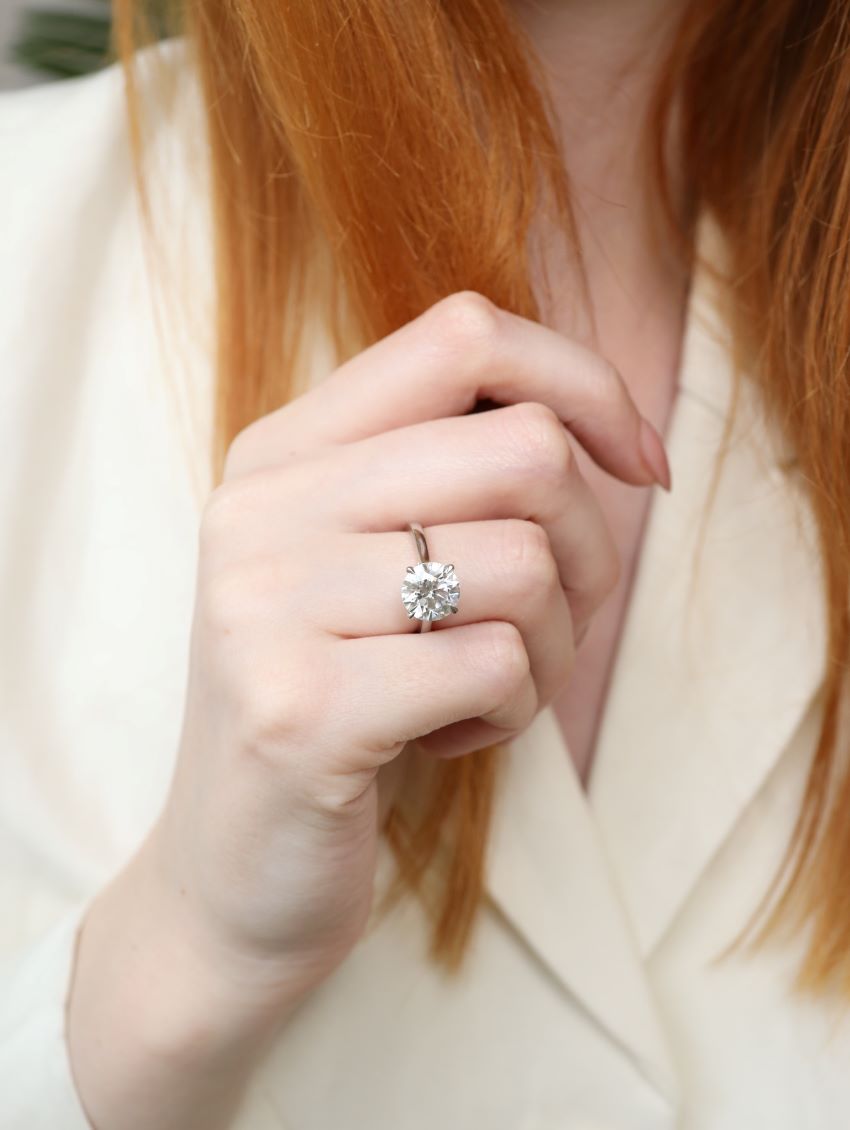
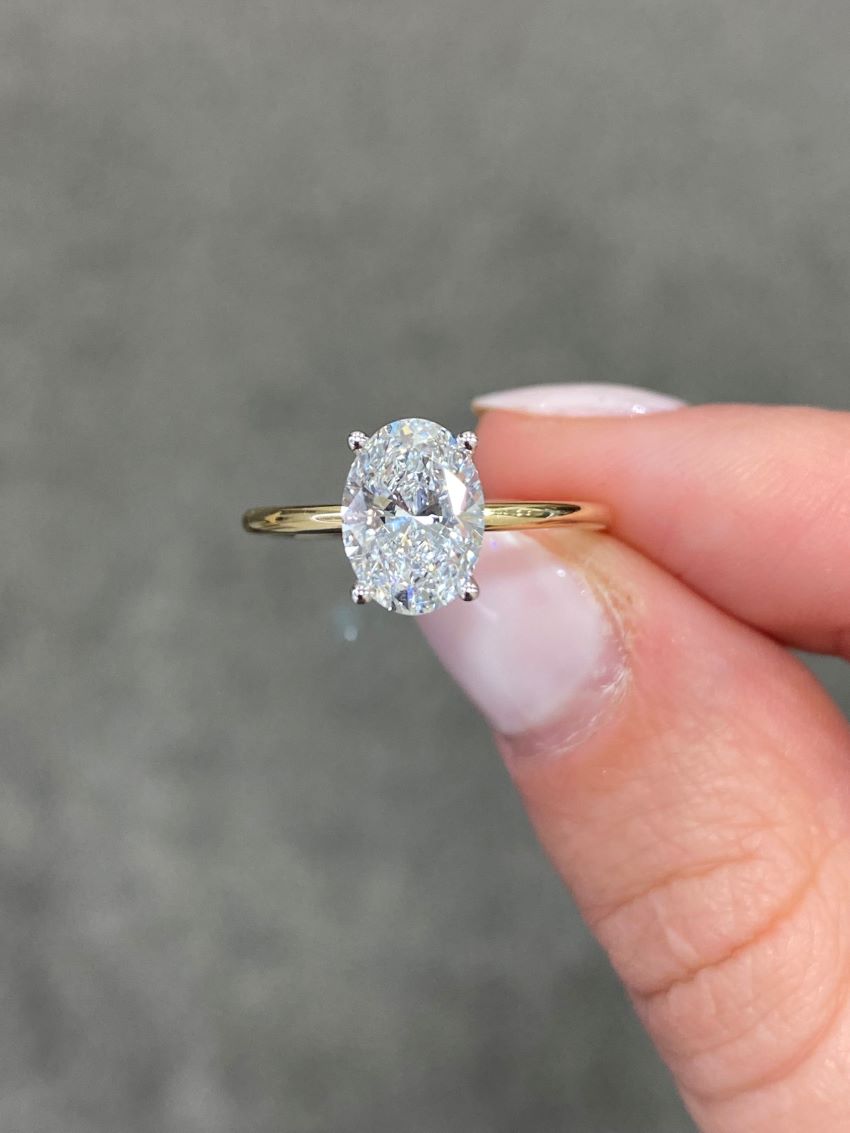
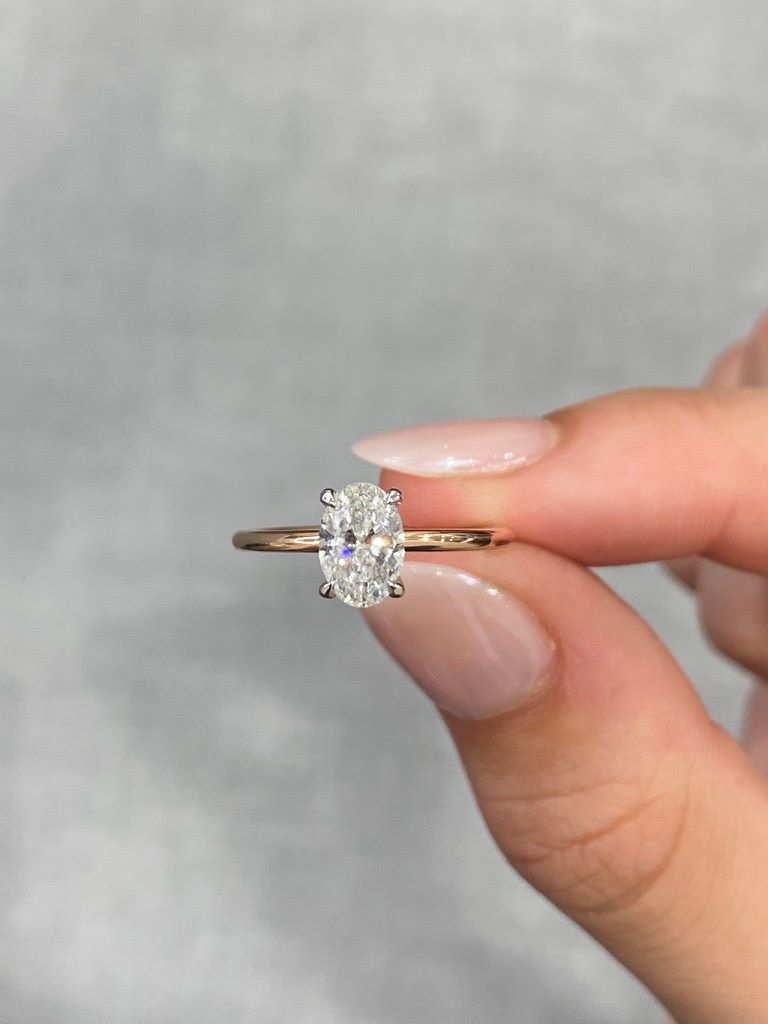
A bigger number on a certificate does not automatically mean a more beautiful ring. Cut quality, setting style, and the proportions of the hand all affect how a diamond reads day to day. A well cut one carat stone can look more brilliant than a poorly cut two carat stone, and a setting built around a smaller centre stone can look every bit as striking as one built around a larger one, especially with the right band and shoulder detail. If you already know you want something with real presence, our guide on pairing a three carat engagement ring is worth a read before you commit to a wedding band.
Rather than chasing an average, we always encourage clients to think about budget, hand proportions, lifestyle, and personal taste first. Someone who works with their hands every day may prefer a lower profile setting regardless of carat weight, while someone drawn to a bold statement piece might prioritise size over subtlety. If cost is the main factor guiding your decision, our breakdown of how much an engagement ring should cost walks through what actually drives the price beyond carat weight alone.
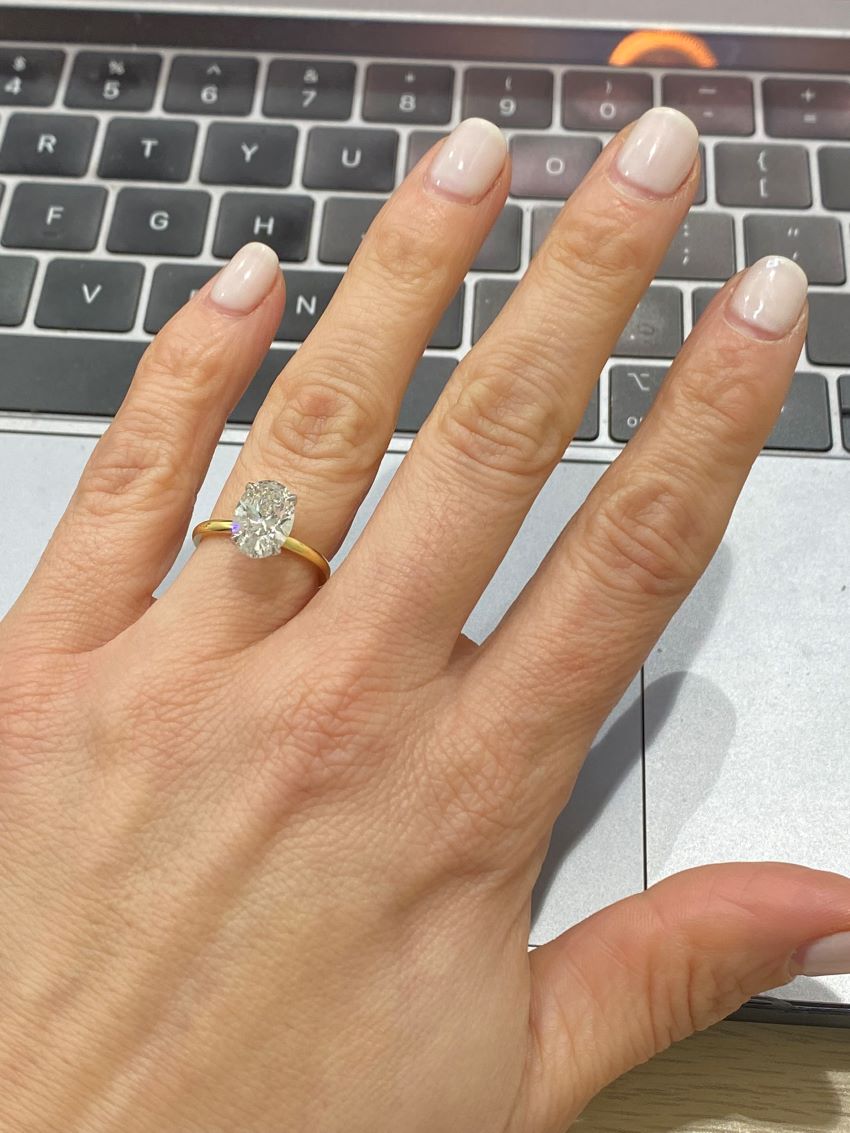
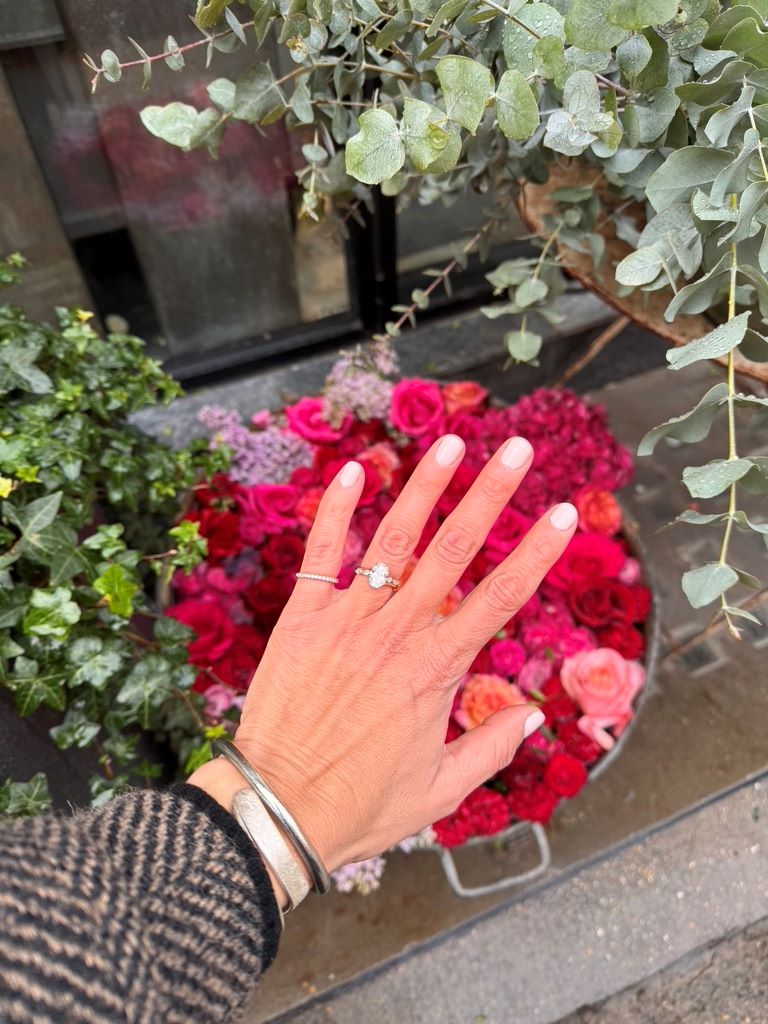
Every ring we make is designed around the person wearing it, not a national average. Whether you are drawn to a natural diamond around 1.5 carats or a lab grown stone closer to three, our team can talk you through stone options, settings, and pricing in person. Book a complimentary consultation at our Hatton Garden showroom, or browse the blog for more guides on carat, cut, and setting choices.
Around 0.6 carats for natural diamonds, though London buyers tend to run higher, closer to 1.25 carats, and the range has widened as lab grown diamonds make larger stones more accessible.
Slightly higher. The rest of Europe generally averages between 0.5 and 0.7 carats, with countries such as France, Italy and Spain often prioritising cut and setting over size.
Not anymore, once lab grown diamonds are included. Natural diamond averages sit closer to 1.1 to 1.2 carats, but blended market figures that include lab grown stones now run closer to 1.7 to 1.9 carats.
Yes. At Harmony Jewels, clients choosing lab grown diamonds average between two and three carats, compared with around 1.5 carats for natural diamonds, largely because lab grown stones cost less per carat.
Not necessarily. Cut quality, setting style, and hand proportions all affect how large a diamond appears, sometimes more than the carat weight itself.
Start with your overall budget and priorities, then work with a jeweller to balance carat, cut, and setting. Book a consultation with our team to talk through your options.