
- Need Help?
 Virtual Appointment
- Book Appointment
- 0
 Your shopping cart is empty
Login to view previously saved items or track a recent order.
Login to view previously saved items or track a recent order.
 Back
Back04/24/2026
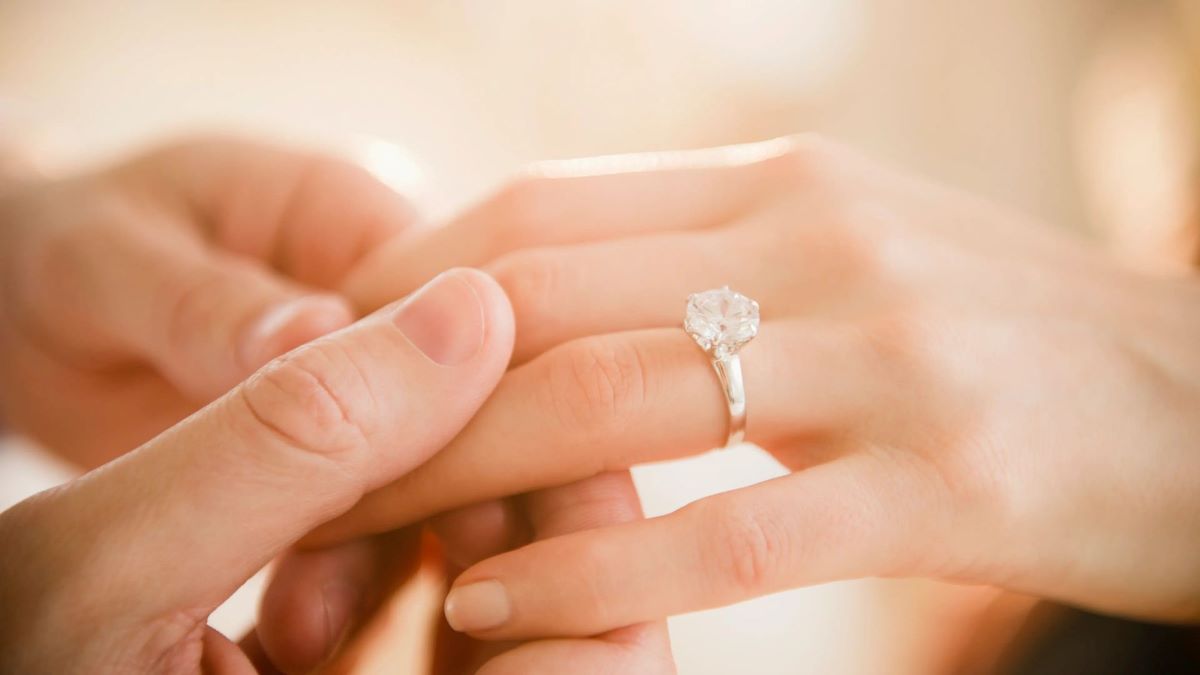
If you've found yourself searching for how much an engagement ring should cost, you're not alone, and you're probably feeling a little overwhelmed. Between the three-month salary rule, wildly different price tags online, and the pressure to get it right, it's easy to feel like there's a correct answer you're missing.
There isn't. But there is honest advice and that's what this guide is for.
Hari, founder of Harmony Jewels, has helped hundreds of couples find the right ring for their budget. Here's everything he'd tell you if you walked through the door today.
Before we get into rules and guidelines, it helps to know what people are actually spending. Not the marketing figures: the real ones.
Most surveys put the UK average somewhere between £1,500 and £2,500, though this varies enormously depending on where you look and who you ask. Wedding planning sites tend to report higher figures; that's partly because their audience skews toward more elaborate celebrations.
What does a working Hatton Garden jeweller see? Hari puts it like this:
"Our customers typically have a budget of about three to five thousand pounds. These days, they're looking a lot for solitaires, yellow gold, and mostly lab-grown diamonds."
That £3,000–£5,000 range reflects couples who've done some research and come in with a clear idea. But it's not a benchmark: it's simply where many people land when they balance what they want with what they're comfortable spending.
Being based in Hatton Garden doesn't mean Harmony Jewels is only for big budgets. Yes, London is home to some of the world's finest jewellers, but that concentration of expertise also means genuine competition, transparent pricing, and the ability to create something beautiful at every price point. Couples travel from across the UK to commission rings here precisely because they get more for their money than they'd expect.
Lifestyle matters too. Couples saving for a house deposit, managing student loans, or prioritising a honeymoon naturally approach ring budgets differently, and rightly so. The ring should fit your life, not strain it.
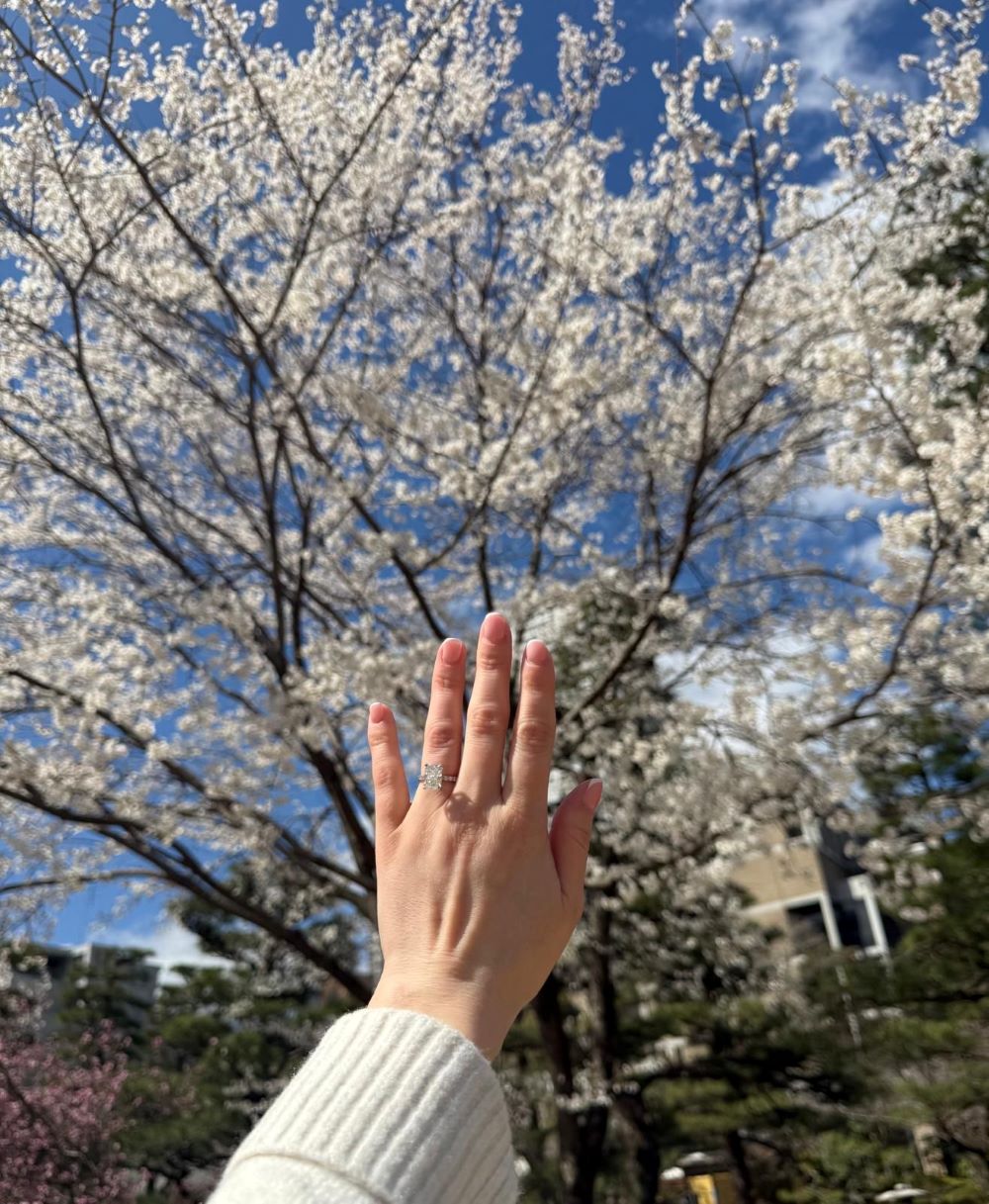
This one comes up constantly, so let's settle it once and for all.
The three-month salary rule was not passed down through generations of romantic tradition. It was invented by De Beers, the diamond mining giant, as part of an advertising campaign. In the 1930s, they encouraged buyers to spend one month's salary. By the 1980s it was two. Eventually, through sustained marketing, it became three.
With the average UK salary sitting around £2,888 per month (ONS data), three months comes to nearly £9,000. Less than a quarter of UK couples spend anywhere near that figure.
"All budgets are welcome. There's always a way of getting a beautiful ring made up, regardless of budget. Normally when clients are looking, it's more about the right design — and from there we source the right diamond that's suitable for the budget."
Spend what you can genuinely afford without financial stress. That's the only rule worth following.
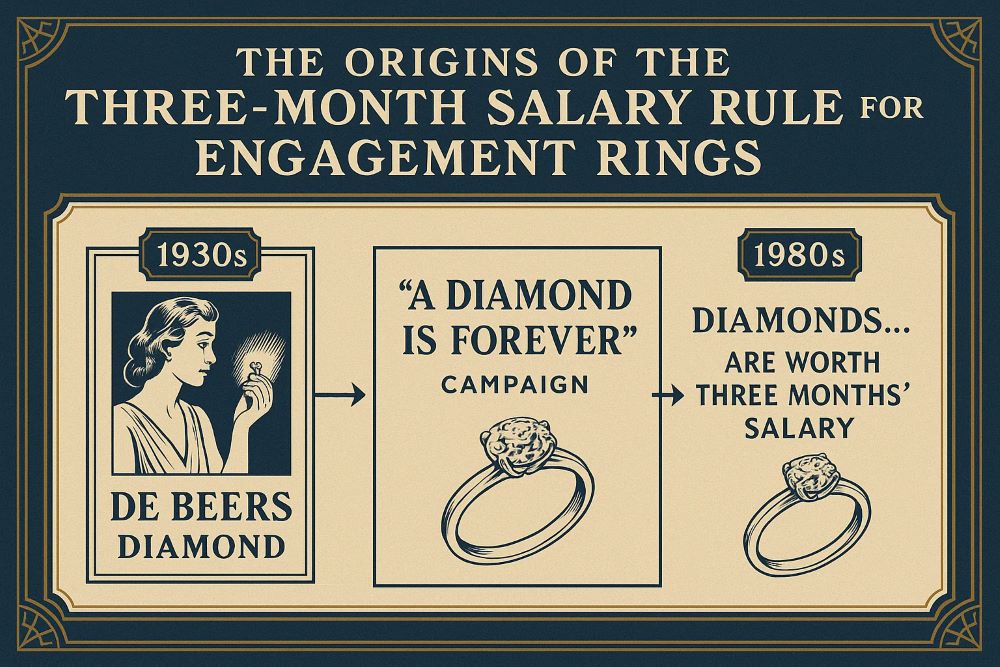
Understanding what drives the price makes it much easier to spend wisely. There are four main factors.
The centre stone is typically the biggest cost driver. For diamonds, price is determined by the four Cs: cut, colour, clarity, and carat weight. Of these, cut has the greatest impact on how beautiful the stone looks: a brilliantly cut smaller diamond will outshine a larger stone with a poor cut every time.
Moissanite offers exceptional sparkle at a fraction of the diamond price. Coloured gemstones, sapphires, rubies, emeralds, can be stunning alternatives that are often more affordable than equivalent-quality diamonds and entirely appropriate for an engagement ring.
Platinum is the most durable and typically the most expensive metal option; expect to pay a premium of several hundred pounds over gold for the same setting. White gold engagement rings offer a similar look to platinum at a lower price point, though they require occasional rhodium re-plating. Yellow gold and rose gold are both fashionable right now, and Hari notes that yellow gold solitaires are among the most requested designs at Harmony Jewels at the moment.
A simple solitaire setting costs less to make than an intricate pavé band with halo and side stones. Every additional stone set into the band, every hand-engraved detail, every hour of skilled labour adds to the final price. This isn't a reason to avoid complexity; it's a reason to be intentional about which details matter most to you (and your partner).
This is one of the most important conversations in jewellery right now. Lab-grown diamonds are chemically, physically, and visually identical to natural diamonds: a gemologist cannot tell the difference without specialist equipment. The practical difference is price: a lab-grown diamond typically costs 60–80% less than a comparable natural stone.
At Harmony Jewels, lab-grown diamonds have become one of the most popular choices, not because they're cheaper, but because they allow couples to get a significantly larger or higher-quality stone for the same budget. Whether you prefer natural or lab-grown is a personal decision; there is no wrong answer.
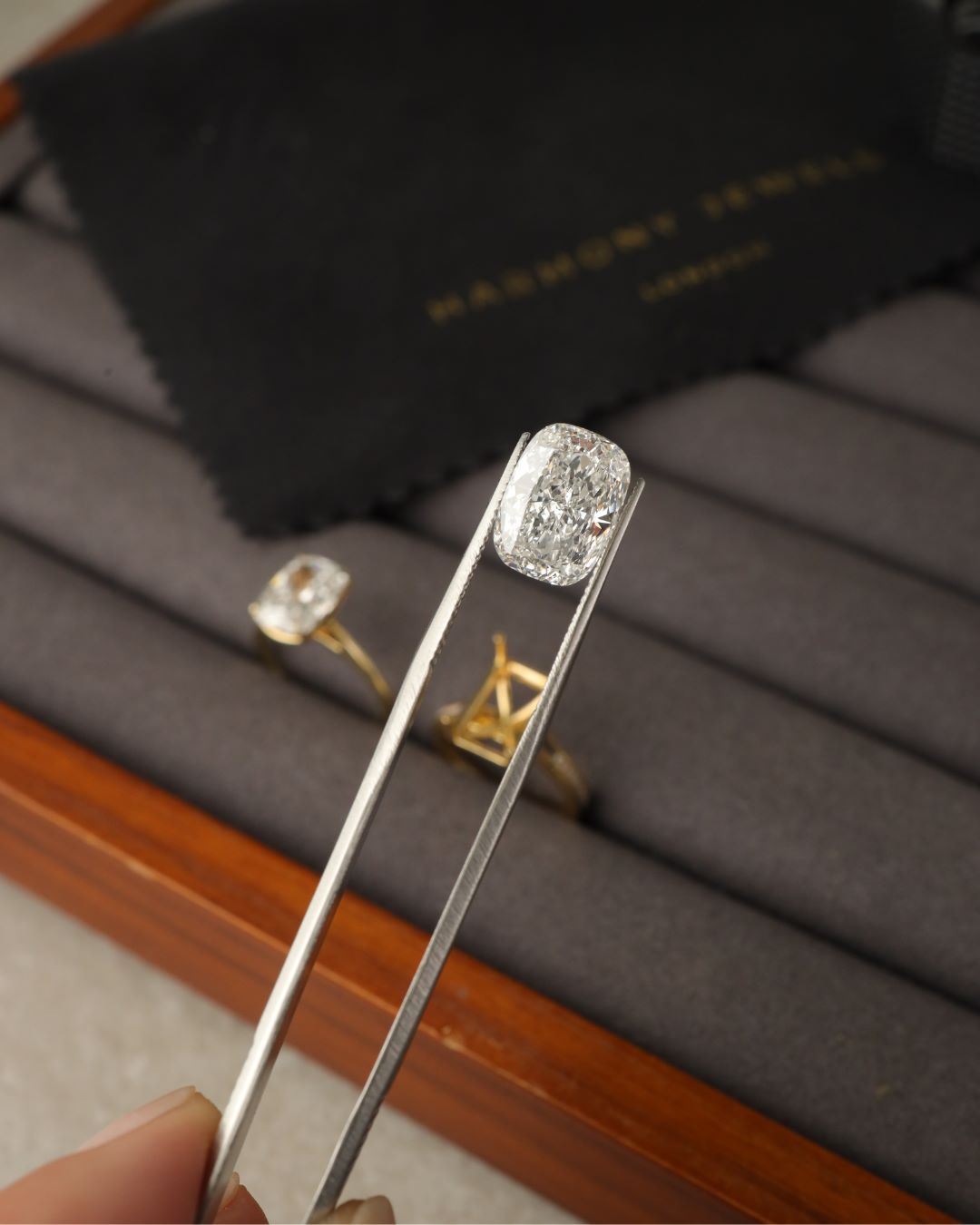
The most important question isn't 'how much should I spend?' It's 'what can I comfortably spend without financial regret?' That number is different for everyone, and no jeweller worth their salt will judge you for it.
"A lot of people who don't really have a set budget just come and see what they like. Nine times out of ten, we can accommodate to their budget. I would say the sort of minimum for a bespoke engagement ring is £1,500."
If you have a number in mind, bring it to the conversation. A good jeweller will tell you honestly what's achievable at that price and usually surprise you with how much is possible.
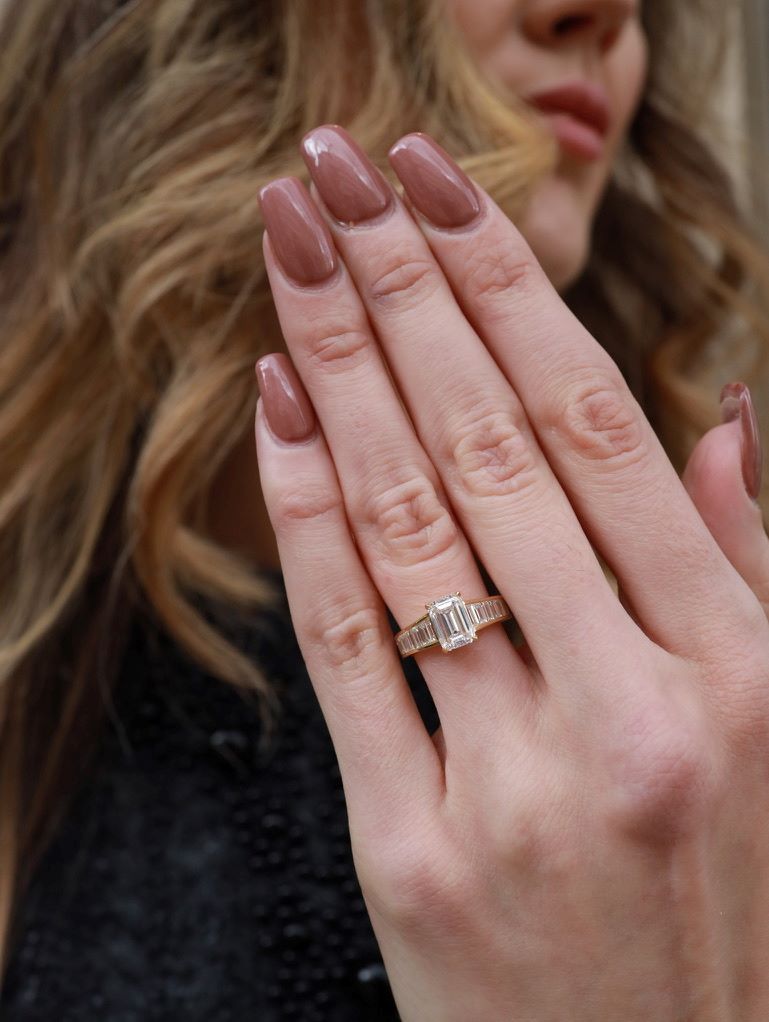
One of the most persistent myths in jewellery is that bespoke automatically means more expensive. It doesn't! At Harmony Jewels, bespoke is simply how rings are made.
A bespoke ring is built around what you want. There's no pre-made stock with a retailer's margin baked in, no compromise on details, and no risk of someone turning up to the wedding in the same ring. The design is yours.
Going bespoke also means having a genuine conversation about what's possible at your budget. A skilled jeweller will guide you to the best possible version of the ring you want; not the most expensive version they can sell you.
For an engagement ring, something worn every day for a lifetime, the extra care of bespoke craftsmanship is almost always worth it.
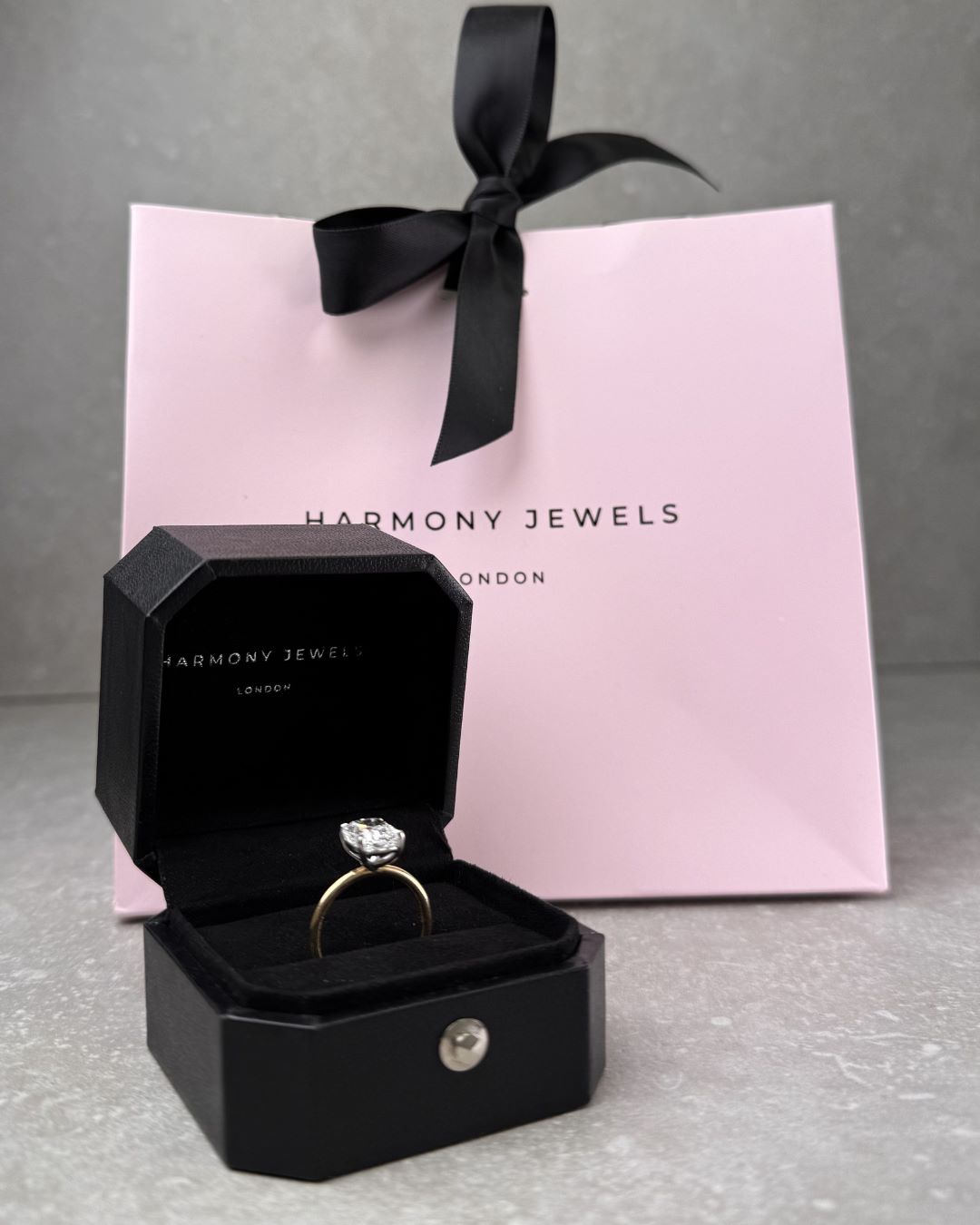
The best engagement ring is the one your partner will love wearing every day for the rest of their life. That has very little to do with how much it cost.
Pay attention to the jewellery they already wear. Do they gravitate toward yellow gold or silver tones? Simple designs or more intricate ones? Do they prefer classic styles or something more individual? These observations will tell you far more than any budget rule.
If you're genuinely unsure, there's no shame in a placeholder proposal ring; propose with something meaningful, then choose the permanent ring together. Many couples now design their ring as a shared experience, which has the added benefit of guaranteeing they'll love the result.
Whatever you spend, the gesture is what matters. The ring is a symbol of something much bigger than its price tag.
At Harmony Jewels, every consultation begins with your story. Not your budget. Come and see what's possible.