
- Need Help?
 Virtual Appointment
- Book Appointment
- 0
 Your shopping cart is empty
Login to view previously saved items or track a recent order.
Login to view previously saved items or track a recent order.
 Back
Back05/22/2026
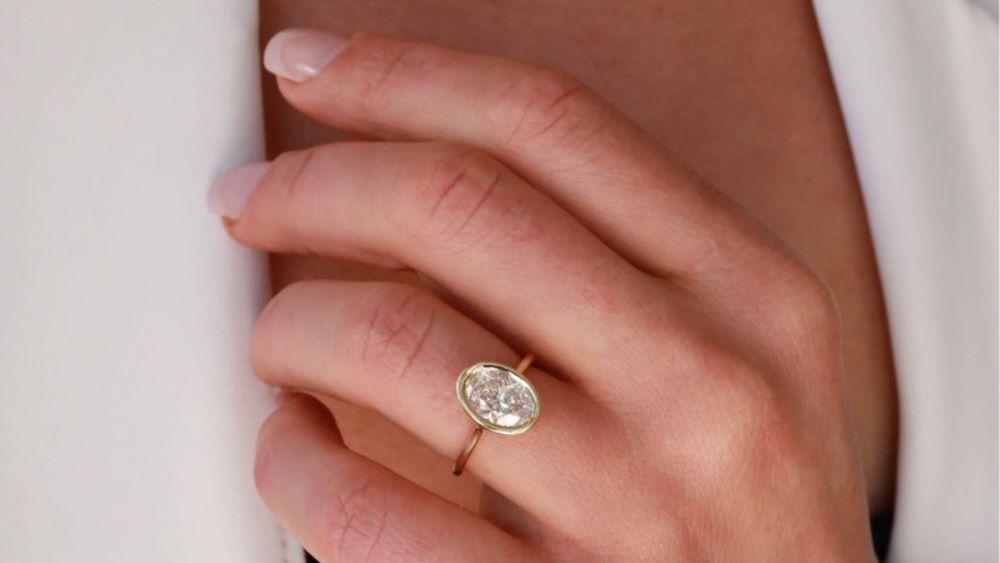
If you've just said yes (congratulations!), or you're planning to pop the question, one of the first things people wonder is: what hand does an engagement ring go on? It sounds like a simple question — but the answer stretches back thousands of years and varies more than you might expect. Here's everything you need to know, from the ancient Romans to modern couples rewriting the rules.
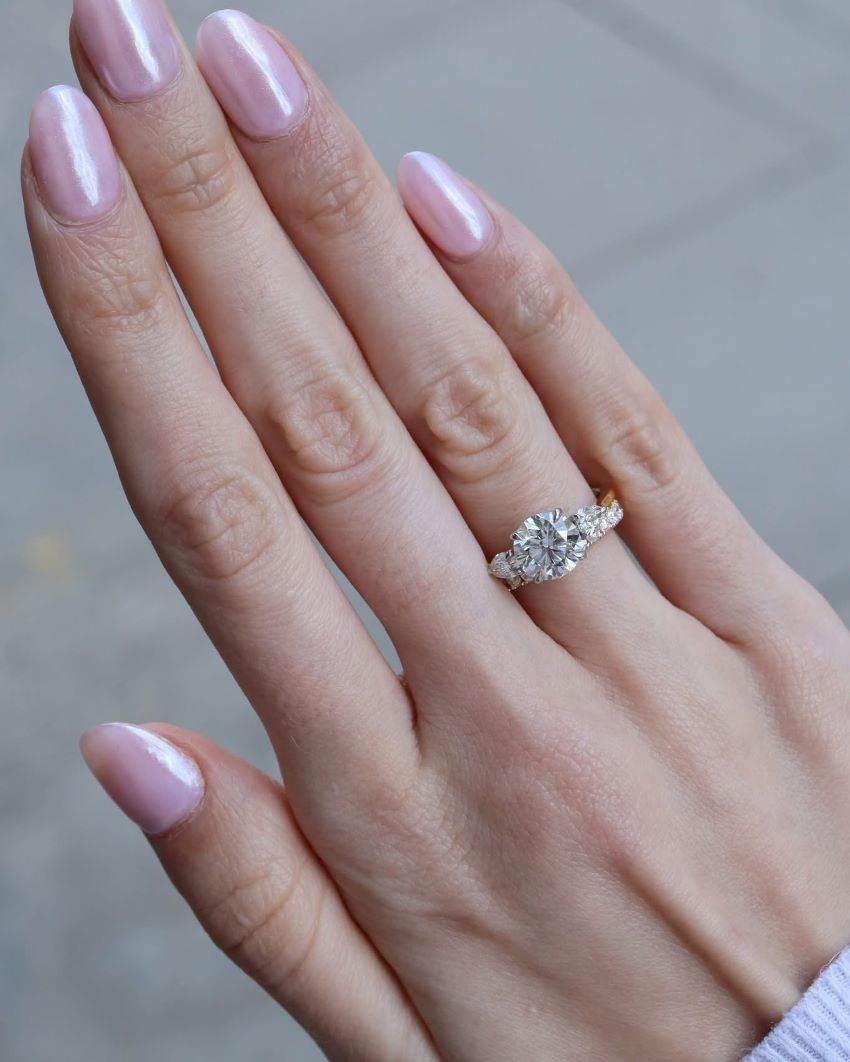
In the UK, the engagement ring traditionally goes on the fourth finger of the left hand; the finger we call the ring finger. This is also where the wedding band will eventually sit. The same tradition is followed across most of Western Europe, the United States, Canada, and Australia.
But that's far from the whole story.
The reason we wear engagement and wedding rings on the left hand comes from ancient Rome. Romans believed in the existence of the Vena Amoris (Latin for "vein of love") a vein they thought ran directly from the fourth finger of the left hand straight to the heart.
The idea was deeply romantic: by placing a ring on that finger, you were symbolically binding your love to your heart.
Modern anatomy has long since disproved the Vena Amoris (all fingers share the same vascular structure), but the tradition it created has proved remarkably enduring. Centuries later, King Edward VI of England formally declared the left hand's fourth finger the official location for wedding rings, cementing a custom that remains standard across much of the Western world today.
So, while the science didn't hold up, the sentiment absolutely did.

The engagement ring finger is the fourth finger, not counting the thumb. It sits between the middle finger and the little finger. In the UK, this finger is so strongly associated with engagement and marriage that it's simply called the ring finger.
Both the engagement ring and, later, the wedding band are traditionally worn on this finger. After the wedding ceremony, most couples in Britain wear both rings together on the same finger, with the wedding band sitting closest to the heart and the engagement ring stacked above it.
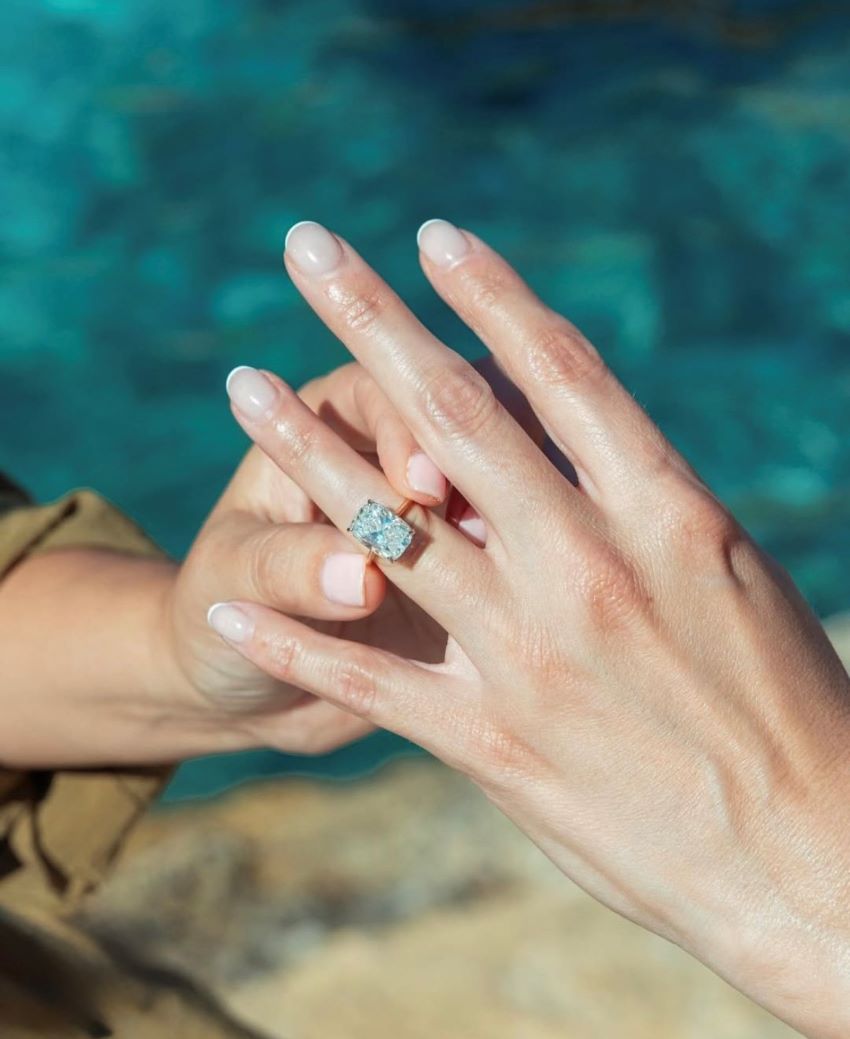
Here's where it gets interesting. The left hand isn't universal. Across different cultures, religions, and countries, the right hand is equally (sometimes more) traditional.
In countries with a strong Orthodox Christian tradition, such as Greece, Russia, and Poland, the right hand holds religious significance as the hand of oaths, strength, and sacred vows, which is why rings are worn there.
In India, the left hand was historically considered inauspicious, making the right hand the natural choice for sacred jewellery.
Brazil follows a particularly interesting custom: the engagement ring is worn on the right hand during the engagement, then moved to the left hand during the wedding ceremony itself, where it joins the wedding band.
Germany and the Netherlands take a slightly different approach; engagement rings begin on the left hand but often move to the right after marriage.
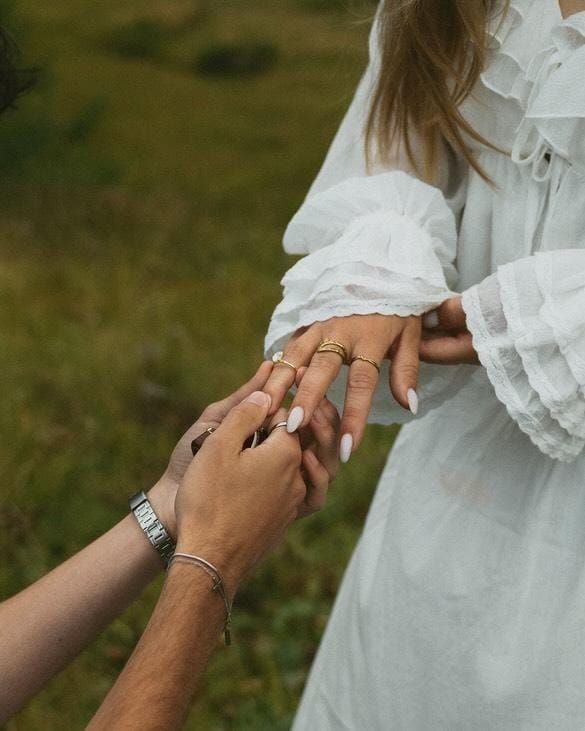
In the UK, yes; both the engagement ring and the wedding band are traditionally worn on the left-hand ring finger. The question of order is what couples often wonder about:
This stacking tradition is the most common way British couples wear their rings after marriage. Some couples invest in a bespoke wedding band designed to nestle perfectly alongside their engagement ring; a beautiful solution that ensures the two rings sit flush together without gaps or movement.
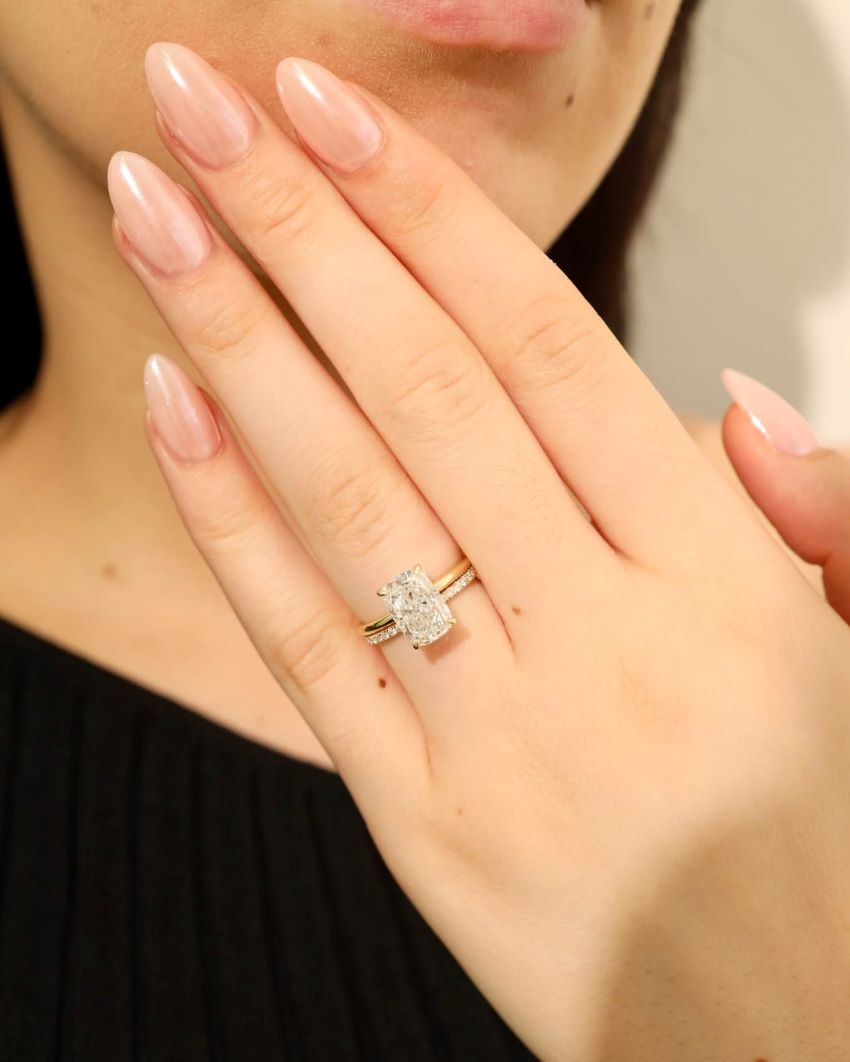
This is one of the most practical questions newly engaged people ask, and it trips up quite a few brides and grooms on the day itself.
Because the wedding band needs to go onto a bare finger first (closest to the heart), you have a couple of options:
The most popular choice is switching to the right hand temporarily. It allows everything to proceed smoothly and means your engagement ring is still on your person throughout the ceremony.
Absolutely. While the left hand is traditional in the UK, wearing an engagement ring on the right hand is perfectly acceptable and increasingly common. Reasons why someone might choose the right hand include:
After marriage, some couples choose to wear the wedding band on the left hand and the engagement ring permanently on the right, giving each ring its own spotlight rather than stacking them.
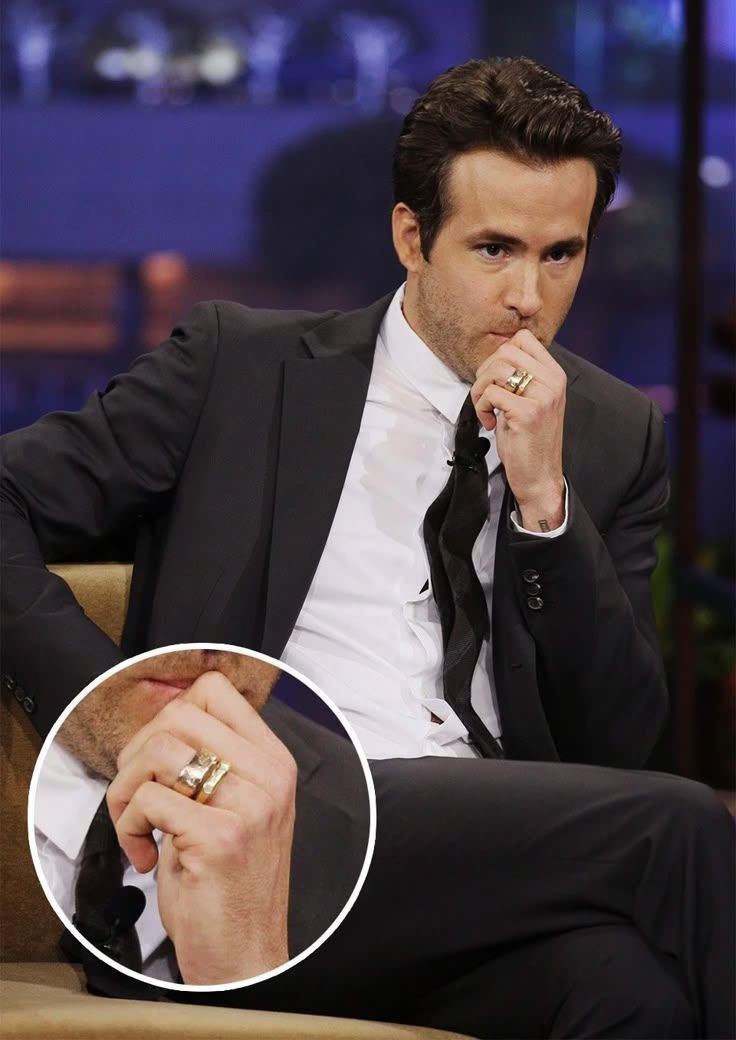
This is a tradition that's changing rapidly. Men wearing engagement rings is no longer unusual and it's a growing movement in the UK and internationally.
The rise of same-sex marriage (legal in England, Wales and Scotland since 2014) played a significant role in normalising the idea of both partners wearing engagement rings. But it's not limited to same-sex couples. Straight couples are increasingly choosing to exchange rings at the time of the proposal, reflecting equal commitment from both partners.
Celebrities have helped shift the conversation too. Ed Sheeran famously wore an engagement ring, saying simply: "It's the same commitment either way." Michael Bublé and Ryan Reynolds have also worn engagement bands publicly.
Which hand do men wear their engagement ring on?
There's no fixed rule. Common choices include:
As with everything in modern engagement ring etiquette, the most important factor is what feels meaningful and comfortable to the person wearing it.

In the UK, yes; traditionally, the engagement ring finger and the wedding ring finger are one and the same: the fourth finger of the left hand.
The distinction is one of timing and order rather than location:
| Ring | When It's Worn | Position on Finger |
|---|---|---|
| Engagement ring | From the proposal onwards | On its own until the wedding |
| Wedding band | Placed during the ceremony | Closest to the heart (worn first) |
| Engagement ring (post-wedding) | Returned after the ceremony | Stacked above the wedding band |
Some couples choose a bespoke matched set; an engagement ring and a complementary wedding band designed together, to ensure the two rings sit perfectly once stacked. This is one of the most popular requests we receive at our Hatton Garden studio, and it's worth thinking about at the point of choosing your engagement ring rather than afterwards.
In most Western cultures, a ring on the ring finger, particularly the left hand, is understood to signal engagement or marriage. That symbolic language is so embedded that many people don't even question it.
However, jewellery has always been about personal expression, and there are no legal or social rules dictating where you wear a ring. Some people wear fashion rings on their ring finger with no romantic significance at all. Others choose to wear their engagement ring on a different finger entirely, or on a chain around their neck during activities where it might get damaged.
The meaning of a ring lies in what it represents to the people exchanging it and not in which hand it sits on.
Once you're married, the question of how to wear both rings together becomes its own creative conversation. The main approaches are:
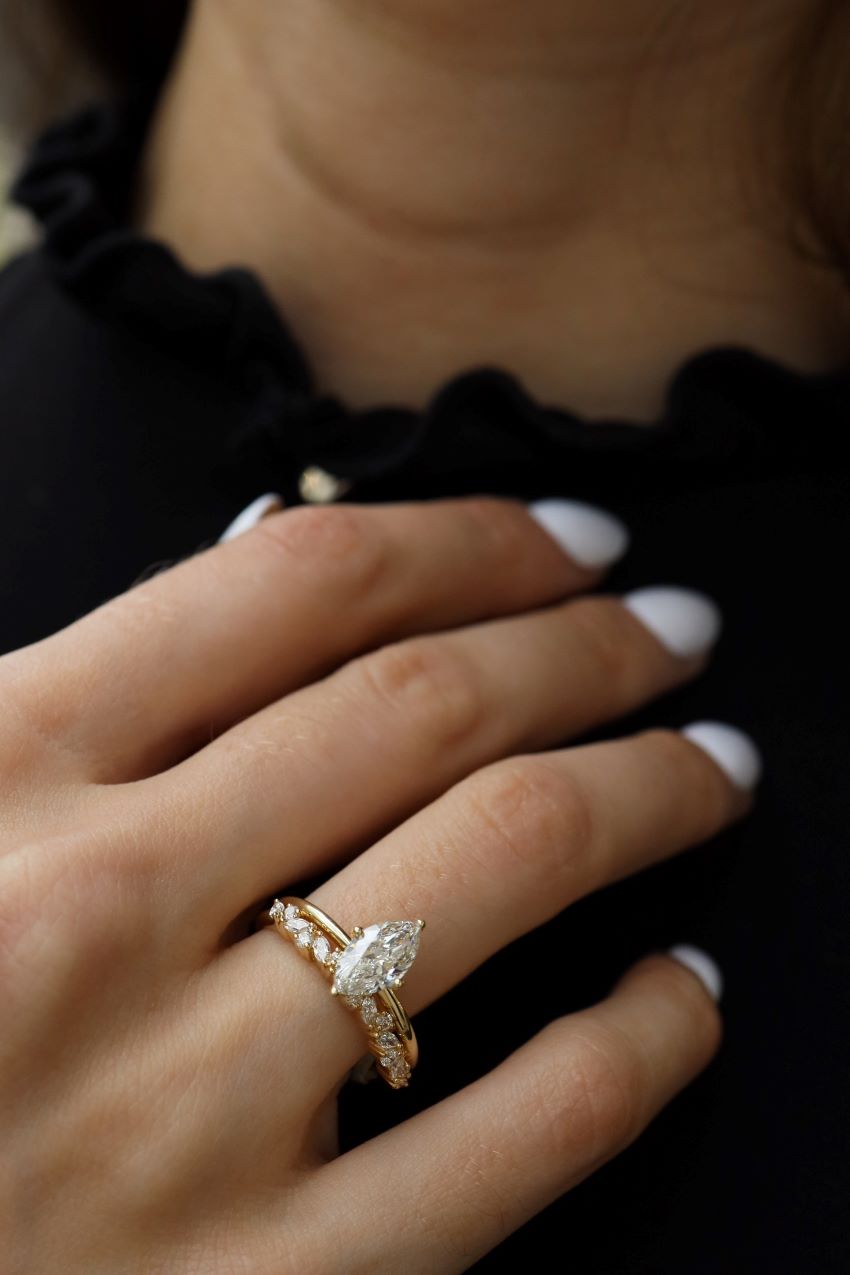
Traditional stack: Both rings on the left ring finger, wedding band closest to the heart and engagement ring above it. The most classic British option.
Separate hands: Wedding band on the left ring finger, engagement ring on the right. A good choice when the rings don't stack neatly together, or when each ring deserves to be seen on its own.
Bespoke nesting set: An engagement ring and wedding band designed as a matched pair, shaped to sit flush together without any gap. Increasingly the preferred choice for couples who want a seamless, cohesive look.
Soldered together: Some couples choose to permanently join their engagement ring and wedding band into one piece. This works beautifully for rings that were always intended to be worn together, but it's worth living with both rings for a little while before making that decision permanent.
What hand does an engagement ring go on in the UK? The left hand, fourth finger; traditionally called the ring finger.
Is the engagement ring finger the same as the wedding ring finger? Yes, in the UK both rings are typically worn on the same finger, with the wedding band underneath.
Can I wear my engagement ring on my right hand? Yes. There's no rule against it, and plenty of cultural traditions actively favour the right hand.
What do you do with your engagement ring during the wedding ceremony? Move it to your right hand before the ceremony so the wedding band can be placed on a clear left ring finger. Switch it back afterwards.
Do men wear engagement rings? Increasingly, yes. There's no single tradition for which hand or finger; most commonly the left or right ring finger.
Why is the ring finger called the ring finger? Because of the ancient Roman belief in the Vena Amoris — the "vein of love" — thought to connect the fourth finger of the left hand directly to the heart.
Whether you're planning a proposal in one of London's most beautiful parks, dreaming of a destination engagement, or simply beginning to think about what ring would make the moment perfect, the hand it goes on matters far less than the ring itself, and the person receiving it.
At Harmony Jewels, we design bespoke engagement rings from our Hatton Garden studio, crafted around your partner's style, your story, and your timeline. Every ring is made with 100% recycled gold and conflict-free diamonds, and we offer worldwide shipping for couples wherever they are in the world.
If you'd like to talk through ideas, Book a consultation — in person at Hatton Garden or virtually. We'd love to be part of your story.