
- Need Help?
 Virtual Appointment
- Book Appointment
- 0
 Your shopping cart is empty
Login to view previously saved items or track a recent order.
Login to view previously saved items or track a recent order.
 Back
Back06/10/2026
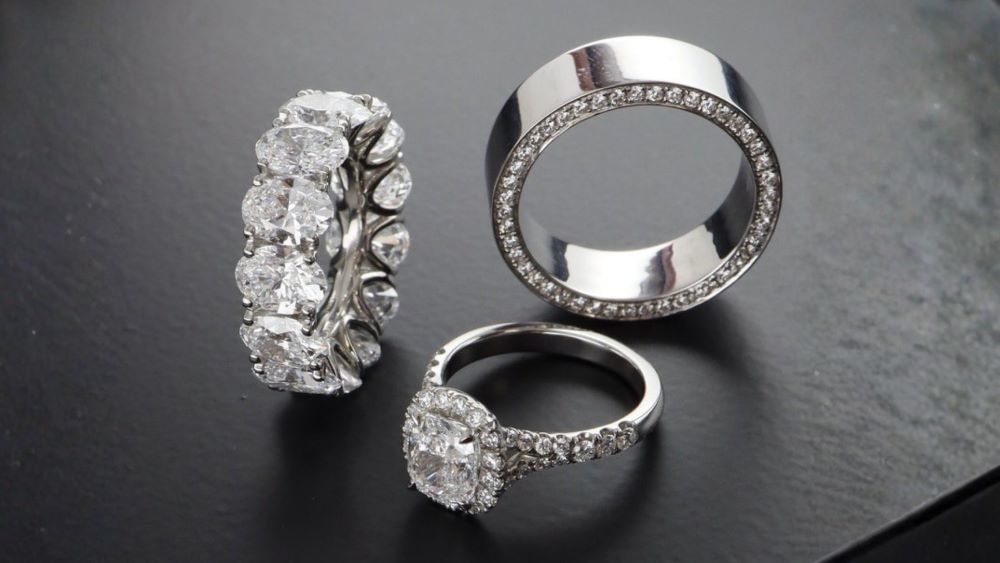
If you have started shopping for an engagement ring and found yourself staring at two near-identical-looking settings with noticeably different prices, you are not imagining things. Platinum and white gold can look almost the same in a photograph, and sometimes even in person. But underneath that shared silver-white appearance, they are genuinely different metals, with different properties, different long-term behaviours, and different considerations for the person who will be wearing the ring every day for the rest of their life.
This guide breaks down everything you need to know about platinum vs white gold for engagement rings, from how each metal is made and how it wears over time, to which choice suits which lifestyle. By the end, you should have a clear picture of which metal is right for you.
Pure gold is naturally yellow. To create white gold, jewellers alloy it with white metals such as palladium, silver, or nickel, which shift the colour toward a cooler, silvery tone. The resulting alloy is then typically coated in rhodium, a bright white precious metal in the platinum family, which gives white gold its distinctly polished, mirror-like finish.
White gold is most commonly available in 14 karat (14K) and 18 karat (18K). 14K contains 58.5% pure gold, with the remainder made up of the alloying metals. 18K contains 75% pure gold. The higher the karat, the richer the yellow gold content, though both look equally white in their finished, rhodium-plated state. You can read more about the differences between these two options in our dedicated guide to 14K vs 18K gold.
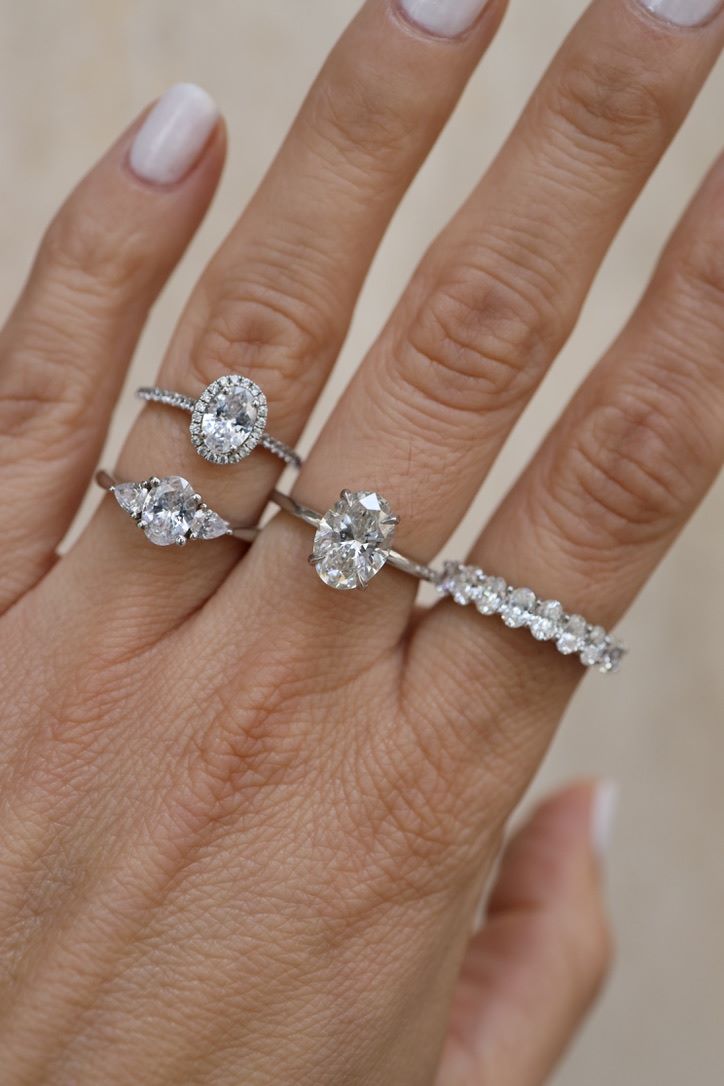
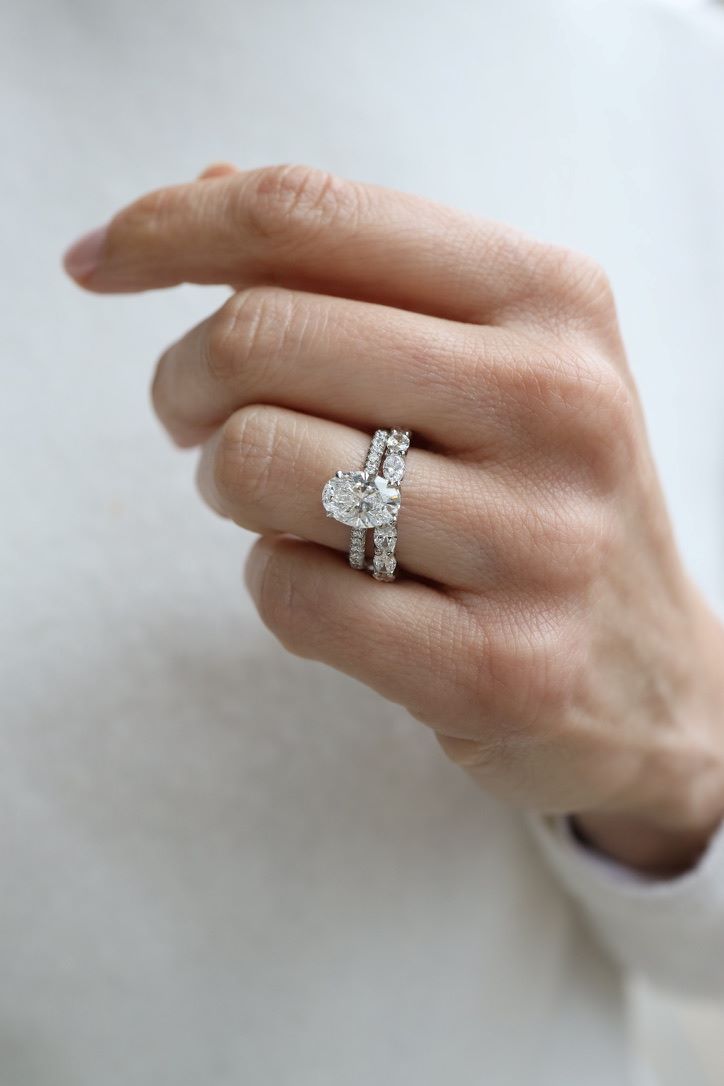
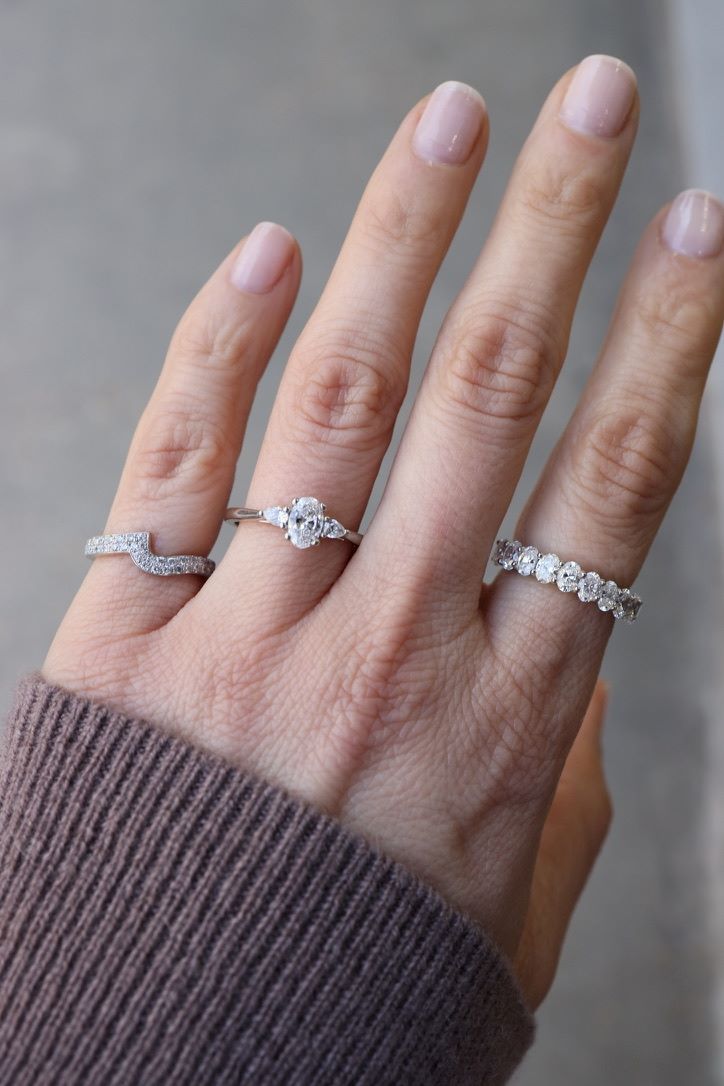
Platinum is a naturally white precious metal, and it requires no alloying to achieve its colour. Engagement ring platinum is typically 95% pure, making it one of the most unadulterated metals used in fine jewellery. It is also significantly denser and heavier than gold, which gives it a distinctly substantial feel on the finger that many people find deeply satisfying.
Platinum has been prized in fine jewellery for over a century, particularly for its ability to hold diamonds with exceptional security. Its density means that prongs and claws crafted in platinum are highly resistant to bending or wearing thin over time, which makes it a particularly considered choice for securing a precious centre stone.
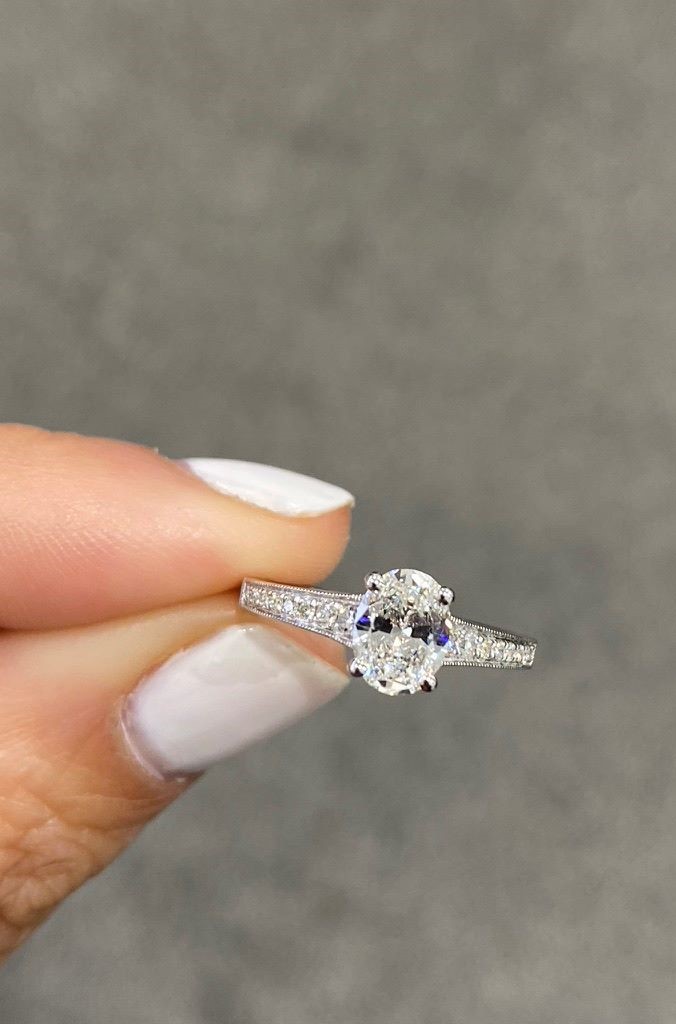
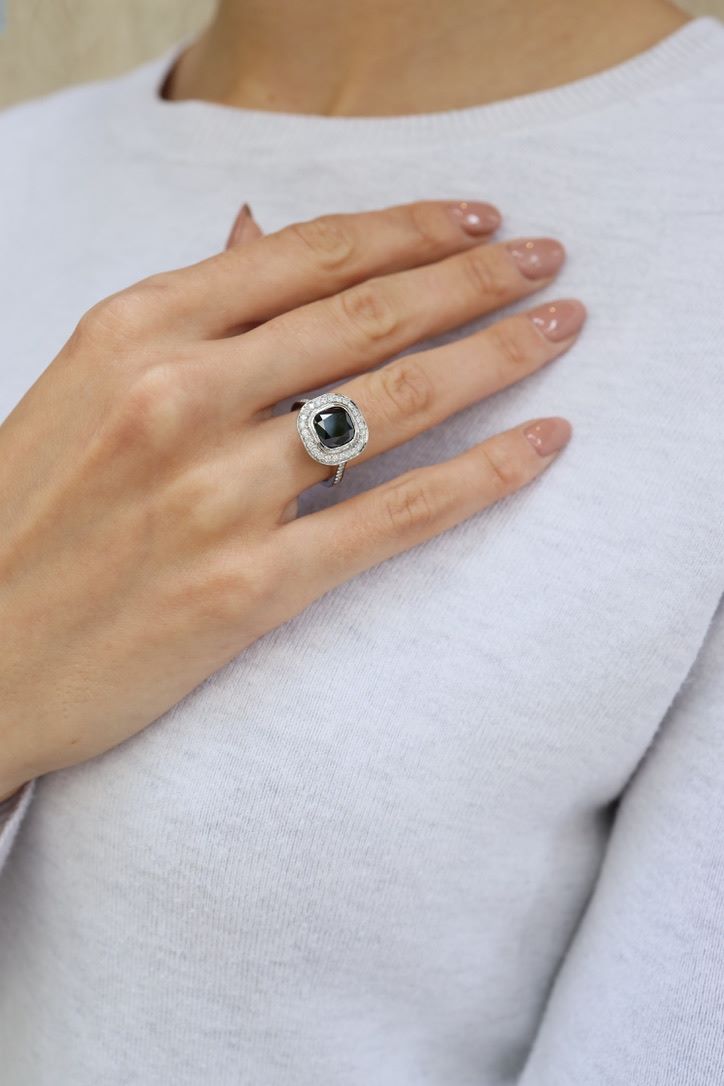
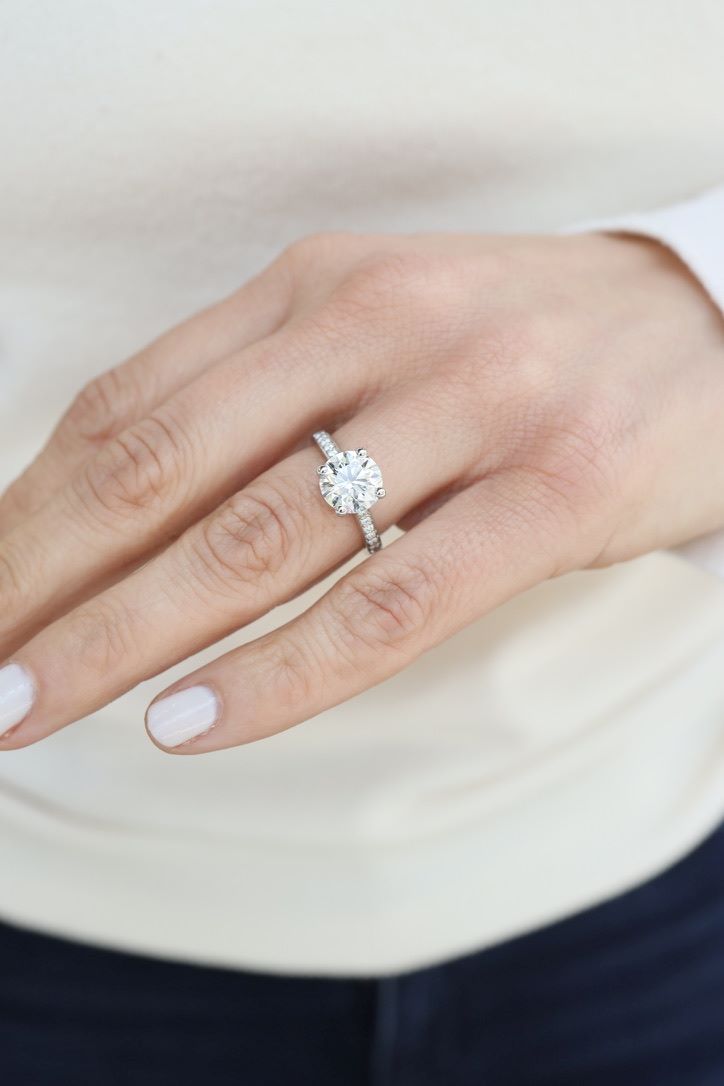
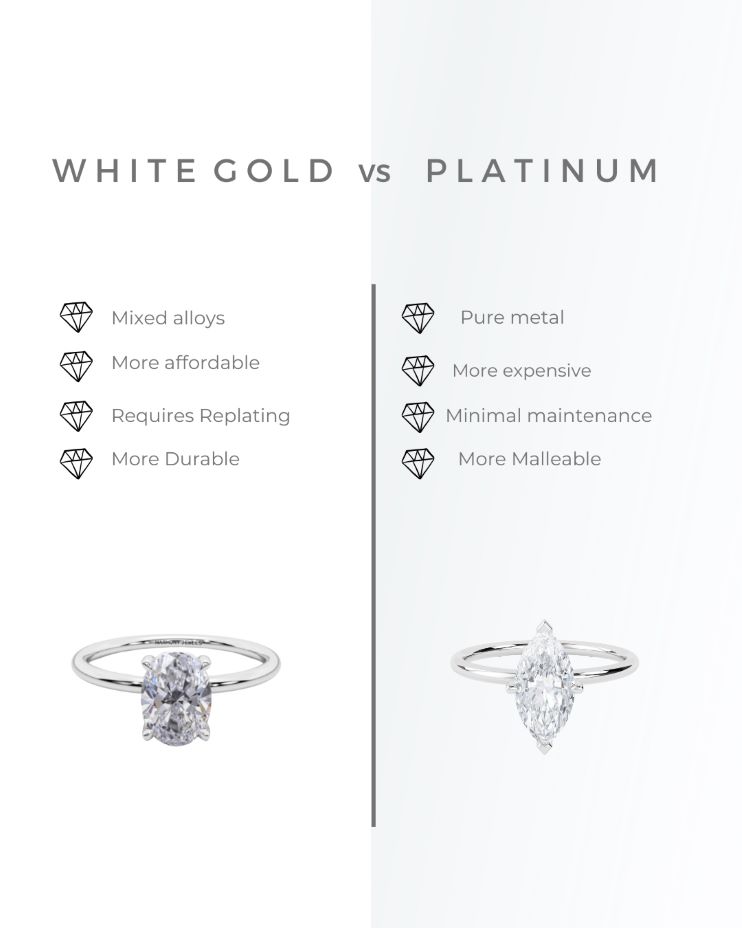
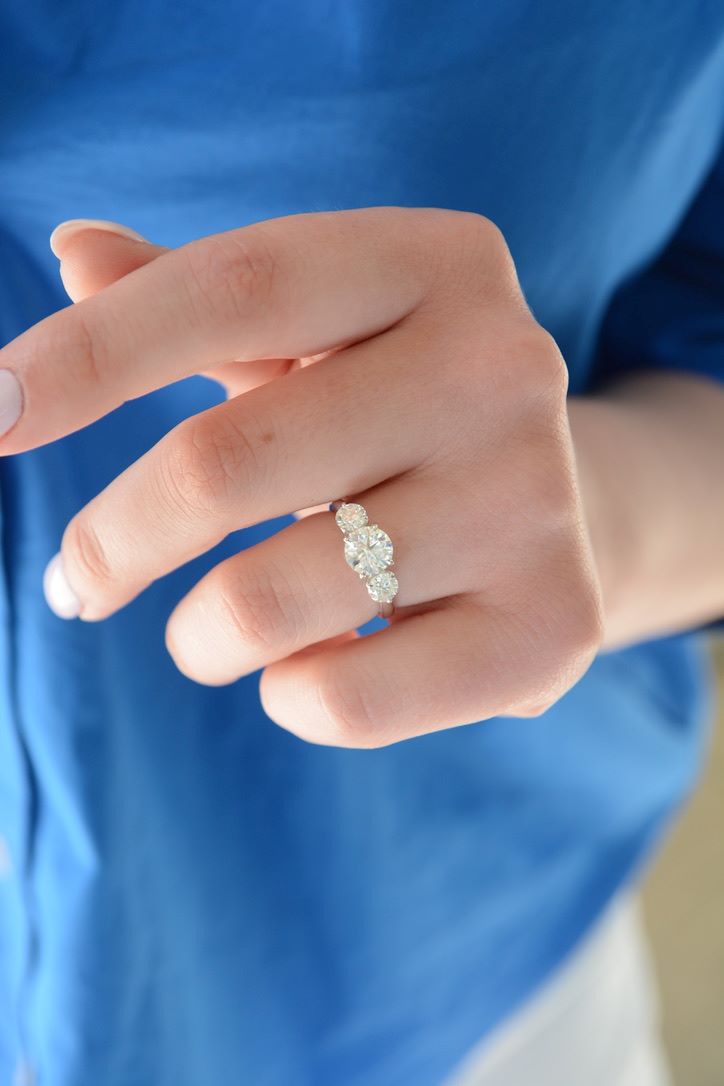
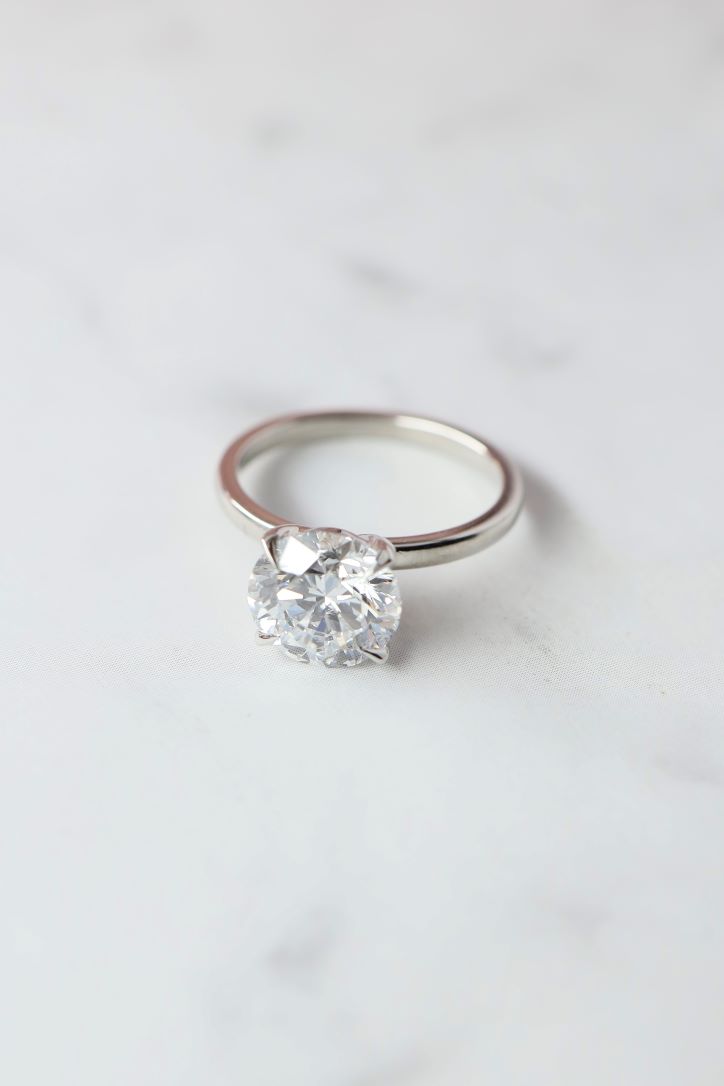
Fresh from the jeweller, both metals look strikingly similar: cool, bright, and silver-white. The difference in appearance becomes more apparent over time. White gold retains its bright, mirror finish thanks to its rhodium plating, but that plating gradually wears away with daily wear, eventually revealing a slightly warmer, more champagne-toned hue underneath. Re-plating restores the original finish and is a straightforward process at any good jeweller.
Platinum, by contrast, develops a patina over time. Rather than appearing worn or dull, it takes on a softer, more matte lustre that many wearers come to love deeply. This aged quality is often described as distinguished, and for some couples it adds to the ring's story. Those who prefer a consistently bright, mirror-like finish can have platinum polished back to its original state at any point.
This is where the two metals diverge most significantly, and it is worth understanding properly.
When white gold is scratched, a small amount of metal is removed from the surface. Over years of daily wear, a white gold ring will slowly and imperceptibly lose material. This is why rings are occasionally re-shanked or rebuilt after many years of wear.
When platinum is scratched, it does not lose metal in the same way. Instead, the metal displaces: it moves from one area to another, creating a scratch on the surface but retaining its mass. This means a platinum ring wears very well over decades, holding its weight and structure even as it develops its patina.
For anyone concerned about long-term durability, this is one of the most compelling arguments in platinum's favour. You can explore this in more detail in our guide to high settings vs low settings, which also covers how metal choice interacts with setting security.
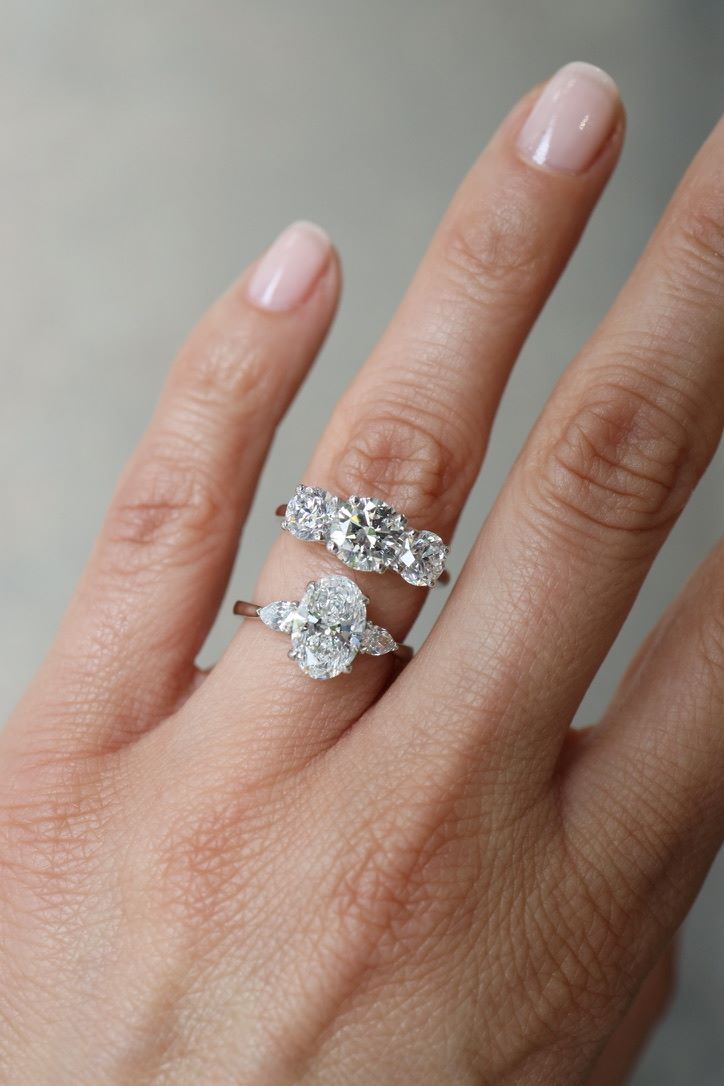
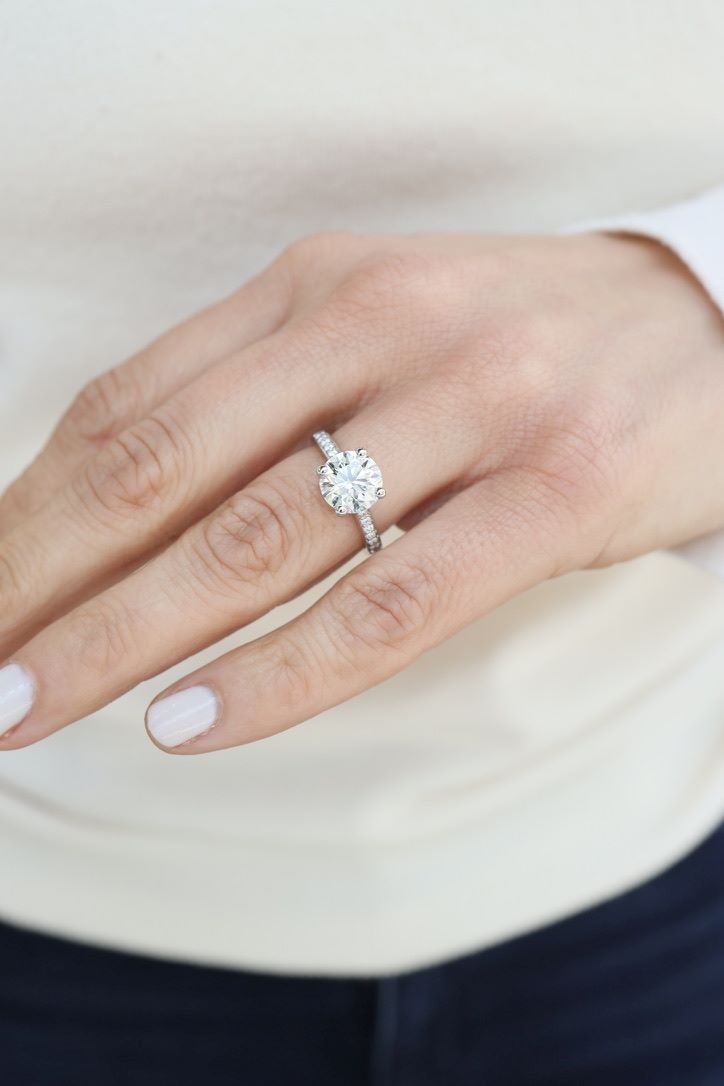
White gold typically requires re-plating with rhodium every one to three years, depending on how actively the ring is worn and the wearer's skin chemistry. This is a minor service that most jewellers complete in a day or two, and it restores the ring to its original bright white finish. You will also want to clean it regularly to maintain its sparkle.
Platinum requires less active maintenance in the sense that there is no plating to renew. However, its patina may need occasional polishing if the wearer prefers the brighter original finish. Our guide to how to clean diamond jewellery covers the best practices for both metals, and our ring care guide walks you through everything you need to keep your ring looking its best day to day.
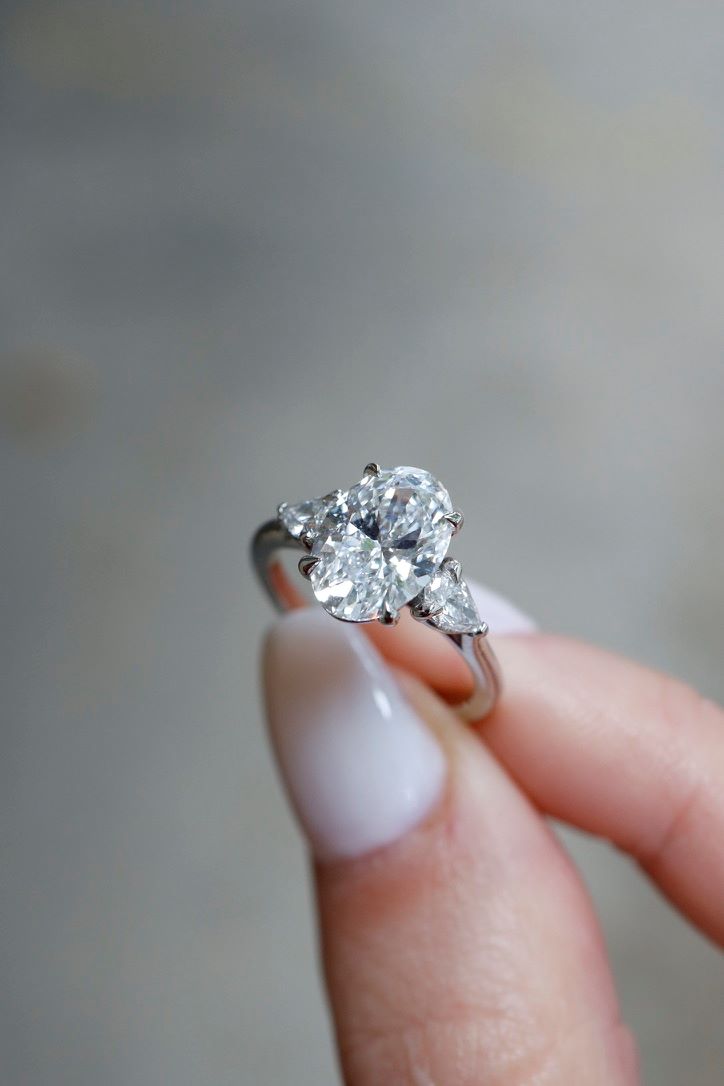
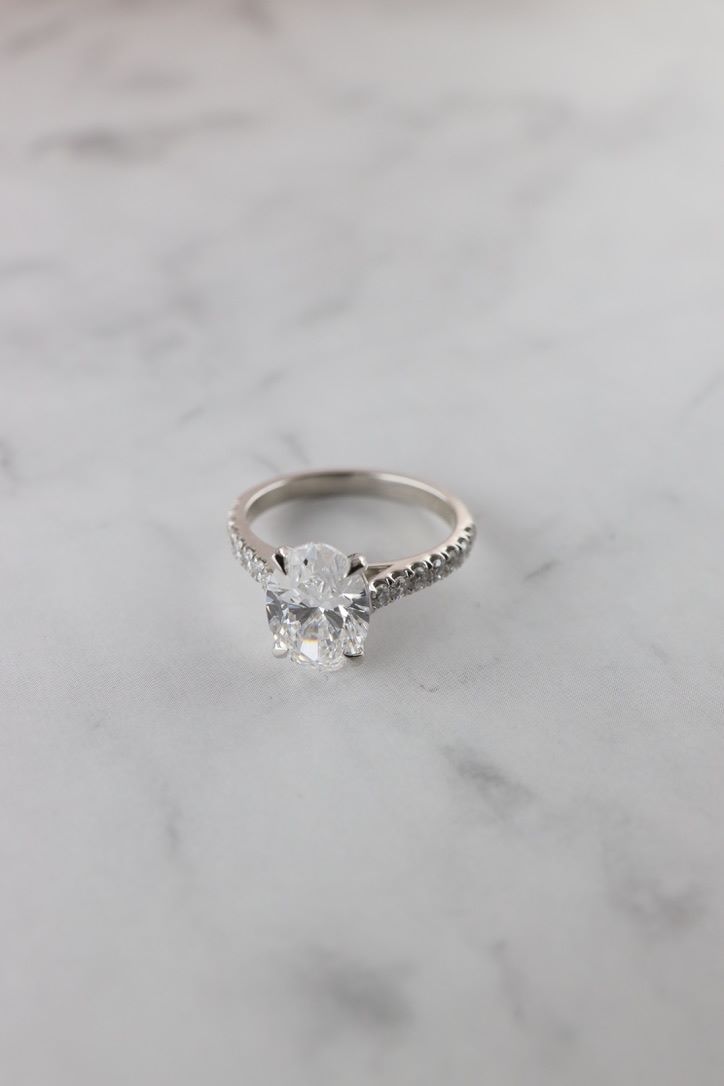
Platinum is notably heavier than white gold. For some wearers, this substantial feel is a mark of quality and permanence that they love immediately. For others, particularly those who are not accustomed to wearing rings, a lighter metal feels more comfortable for everyday life. This is genuinely a matter of personal preference, and we always encourage clients to try both in person before deciding.
Platinum is naturally hypoallergenic, making it an excellent choice for those with sensitive skin or known metal allergies. White gold alloyed with nickel can cause reactions in some wearers, though most contemporary white gold jewellery uses palladium rather than nickel as the alloying metal, significantly reducing this risk. If you have sensitive skin, it is worth discussing this with your jeweller before making a decision.
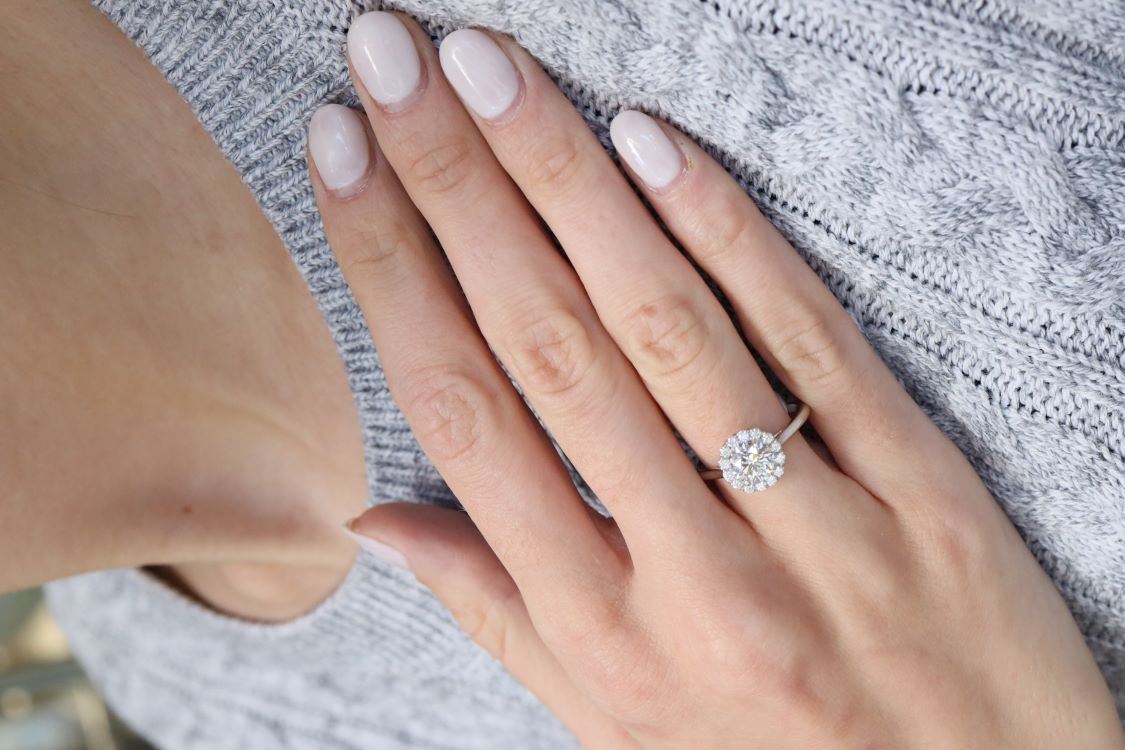
Platinum is rarer than gold and requires significantly more effort to mine and refine, which is reflected in its price. A platinum ring will typically cost more than its white gold equivalent for the same design. However, platinum's longevity and lower maintenance requirements mean the long-term value comparison is more nuanced than the initial price difference suggests.
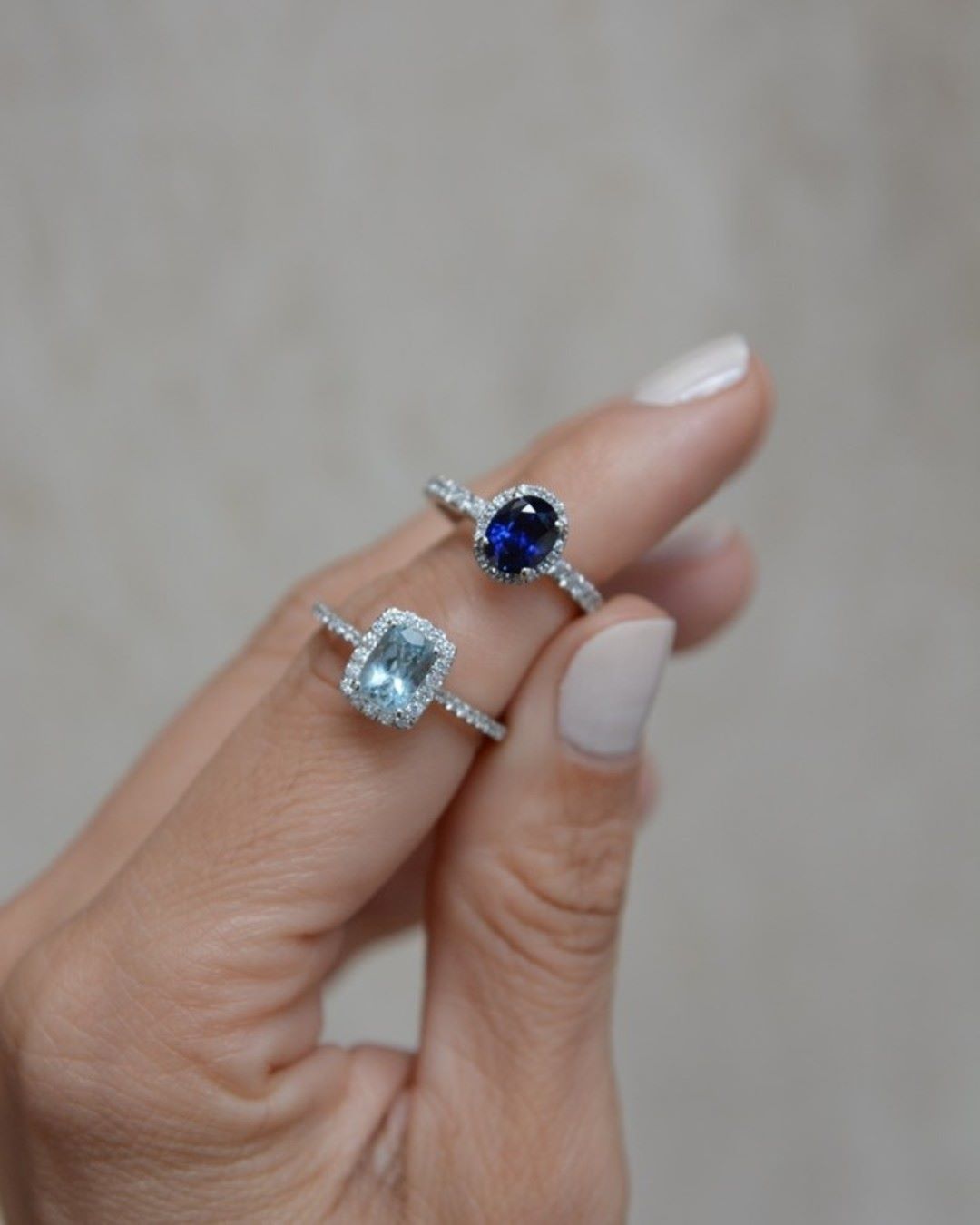
The honest answer is that neither metal is objectively better. The right choice depends on your priorities, your lifestyle, and what you value in a ring you will wear every day.
Choose platinum if: you want the most durable and long-lasting metal, you prefer a heavier, more substantial feel, you have sensitive skin, you love the idea of a ring that develops character over time, or you want to minimise ongoing maintenance.
Choose white gold if: you prefer the consistently bright, mirror-like finish that rhodium plating provides, you like the idea of a lighter ring, you are drawn to the lower entry point, or you are happy to have the ring re-plated periodically to maintain its appearance.
Many couples who visit our Hatton Garden showroom arrive having already decided in their minds, only to change their view entirely once they hold both metals in their hands. There is really no substitute for trying them in person.
Every setting in our collection is available in both platinum and white gold, as well as yellow gold and rose gold. Whether you are drawn to a clean solitaire, a sparkling halo, or a romantic trilogy, you can explore both metal options across our full range.
Browse our platinum engagement ring collection and our white gold engagement ring collection to see how the same designs translate across both metals.
If you would like guidance on which metal suits your lifestyle, your diamond choice, and your long-term plans for the ring, our team at our Hatton Garden showroom are here to help. Whatever your vision and whatever your starting point, book an appointment at harmonyjewels.co.uk/appointment and we will take it from there.
Neither is objectively better. Platinum is more durable and requires less maintenance over time, but white gold offers a consistently bright finish, weighs less, and typically has a lower initial cost. The right choice depends on the wearer's lifestyle, preferences, and priorities. We always recommend trying both in person before deciding.
When new, both metals look very similar: cool, silver-white, and bright. Over time, white gold retains its appearance through periodic rhodium re-plating, while platinum develops a natural patina that softens its lustre. Both can be polished or restored at any good jeweller.
Most white gold engagement rings benefit from rhodium re-plating every one to three years, though this varies depending on how actively the ring is worn and the wearer's individual body chemistry. Re-plating is a quick, affordable service that restores the original bright white finish.
Yes. Platinum is naturally hypoallergenic and is an excellent choice for wearers with sensitive skin or metal allergies. Some white gold alloys, particularly those containing nickel, can cause reactions, though most contemporary fine jewellery uses palladium-based white gold alloys, which are much gentler on sensitive skin.
Platinum does scratch, but rather than losing metal it displaces it, meaning the ring retains its mass over time. White gold, by comparison, loses small amounts of metal when scratched. Both metals can be polished to remove surface scratches.
Yes. At Harmony Jewels, all settings are available in both platinum and white gold. You can browse our full range of platinum engagement rings and white gold engagement rings, and for a broader overview of everything available, our ultimate engagement ring guide is a great place to start.
Yes, platinum typically costs more than white gold for the same design, reflecting its greater rarity and density. However, the long-term maintenance costs of white gold (including periodic re-plating) mean the difference over a lifetime of ownership is smaller than the initial price gap suggests.
Both metals complement diamonds beautifully and provide a neutral, cool-toned backdrop that enhances a diamond's brilliance. Platinum's higher density does offer superior claw security for precious stones, which is particularly relevant for high-set solitaires or rings with fine prong work. That said, white gold crafted to a high standard provides excellent stone security and is the choice of many couples around the world.
Platinum requires relatively minimal care. Regular cleaning with warm soapy water and a soft brush is usually sufficient for day-to-day maintenance. Over time, the ring may develop a patina; if you prefer the brighter original finish, a jeweller can polish it back. Our full guide to ring care and maintenance covers everything you need to know.