
- Need Help?
 Virtual Appointment
- Book Appointment
- 0
 Your shopping cart is empty
Login to view previously saved items or track a recent order.
Login to view previously saved items or track a recent order.
 Back
Back07/29/2026
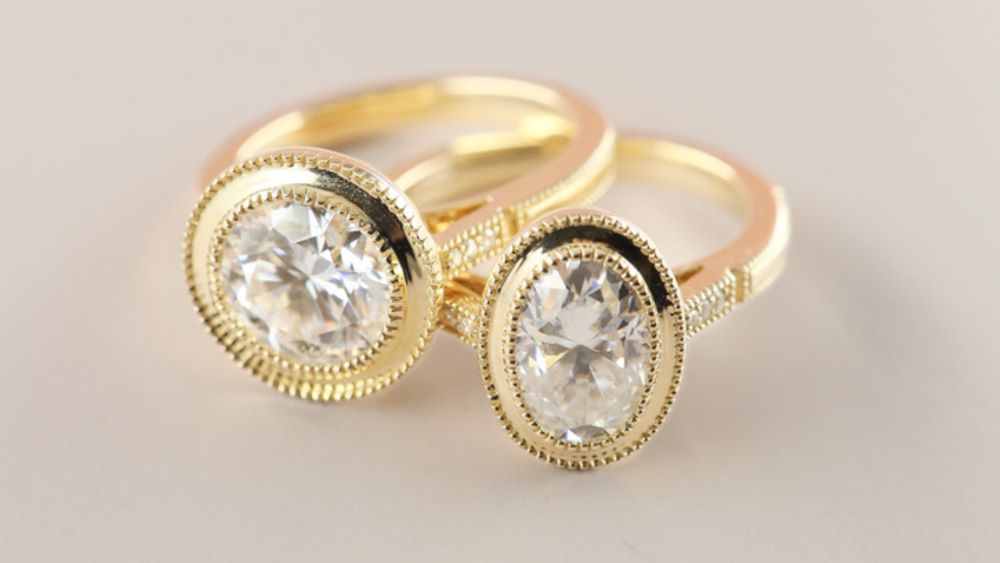
The biggest engagement ring trend of 2026 is not a new design. It is a return to two design eras, Victorian and Art Deco, and it is showing up everywhere from red carpet proposals to bespoke commissions. Rose cut stones, milgrain edging, filigree work and geometric symmetry are replacing the plain minimalism that defined the last decade.
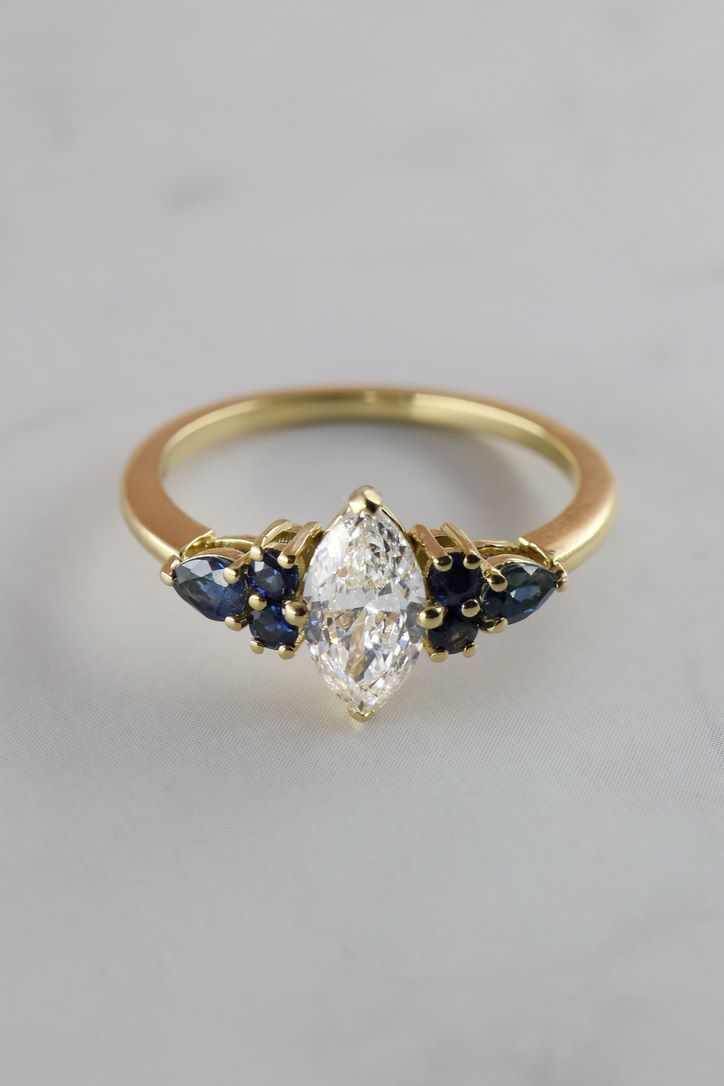
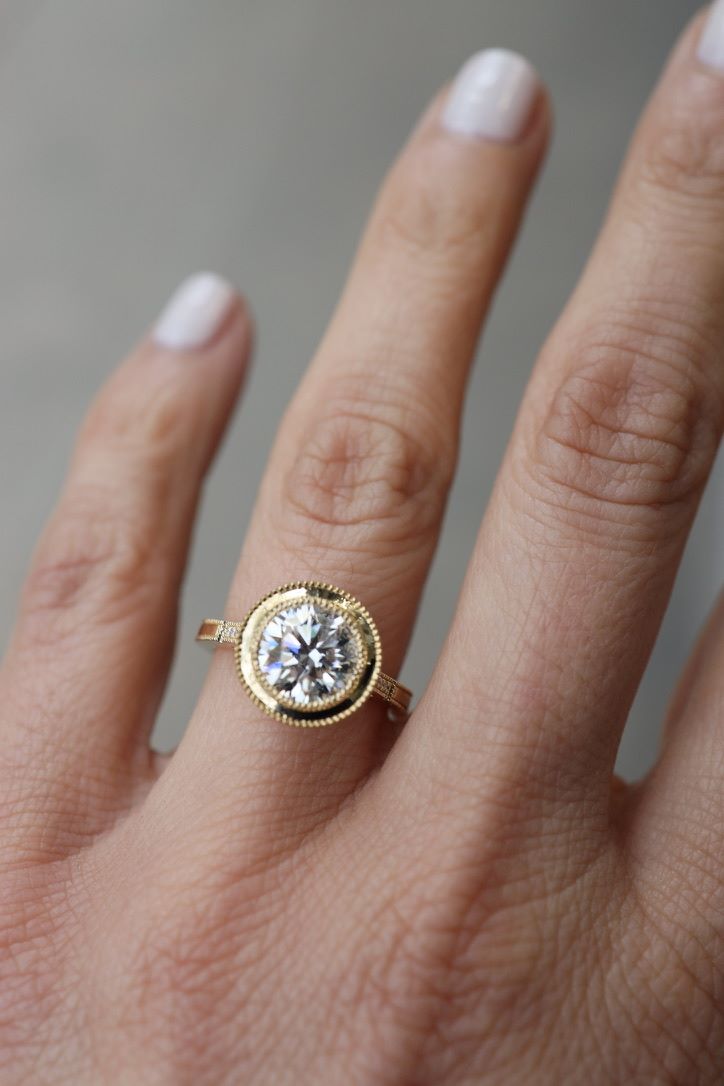
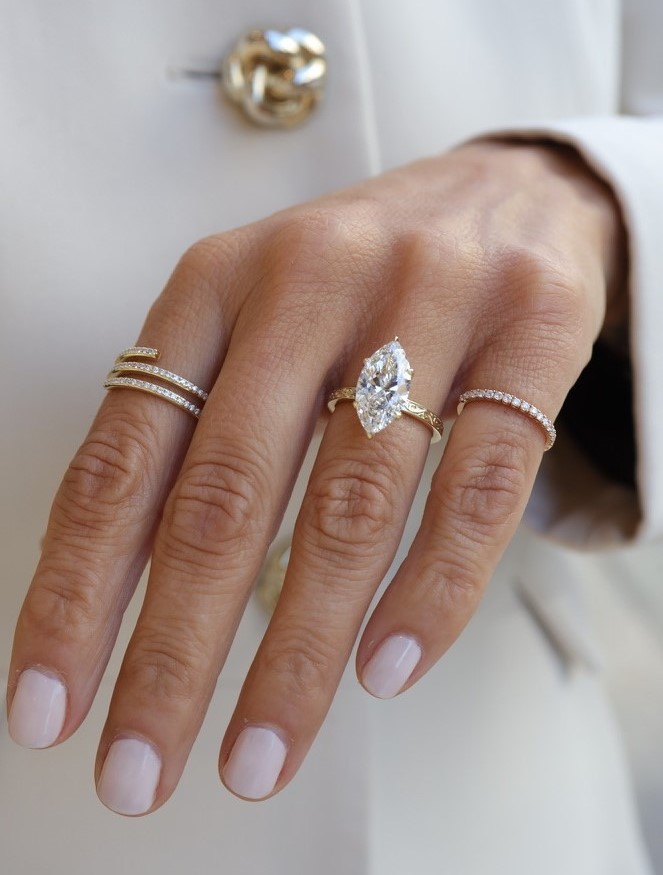
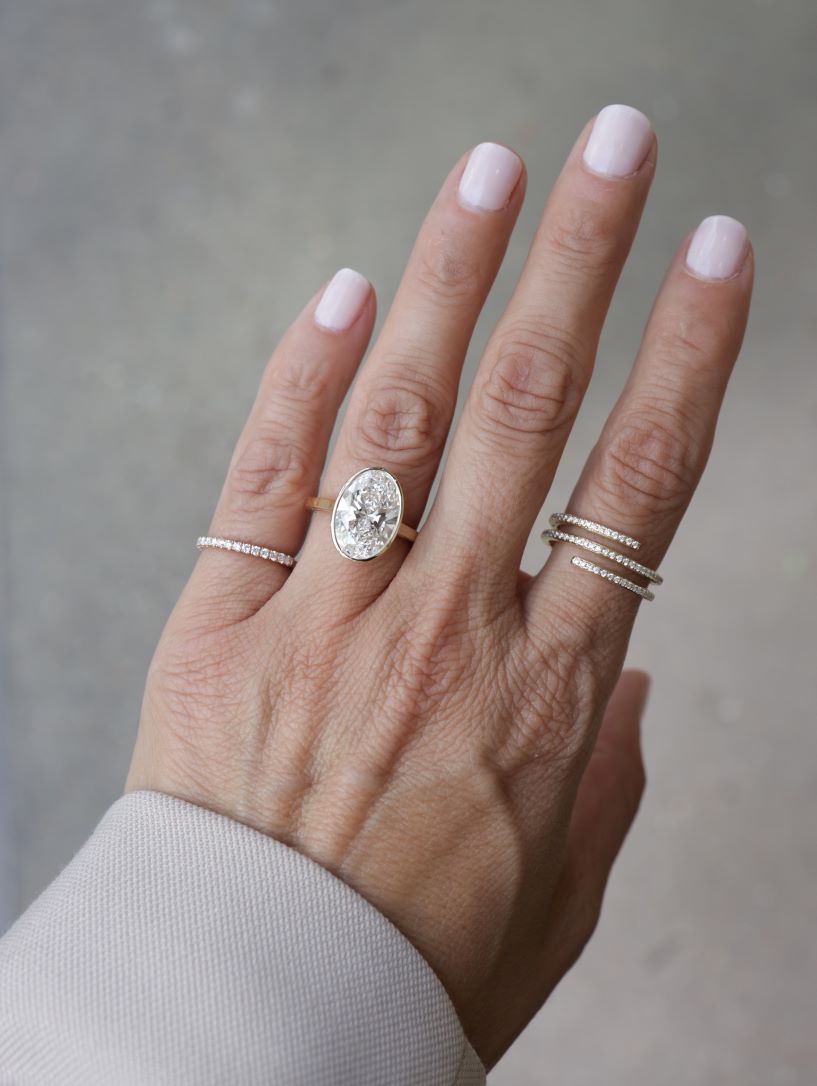
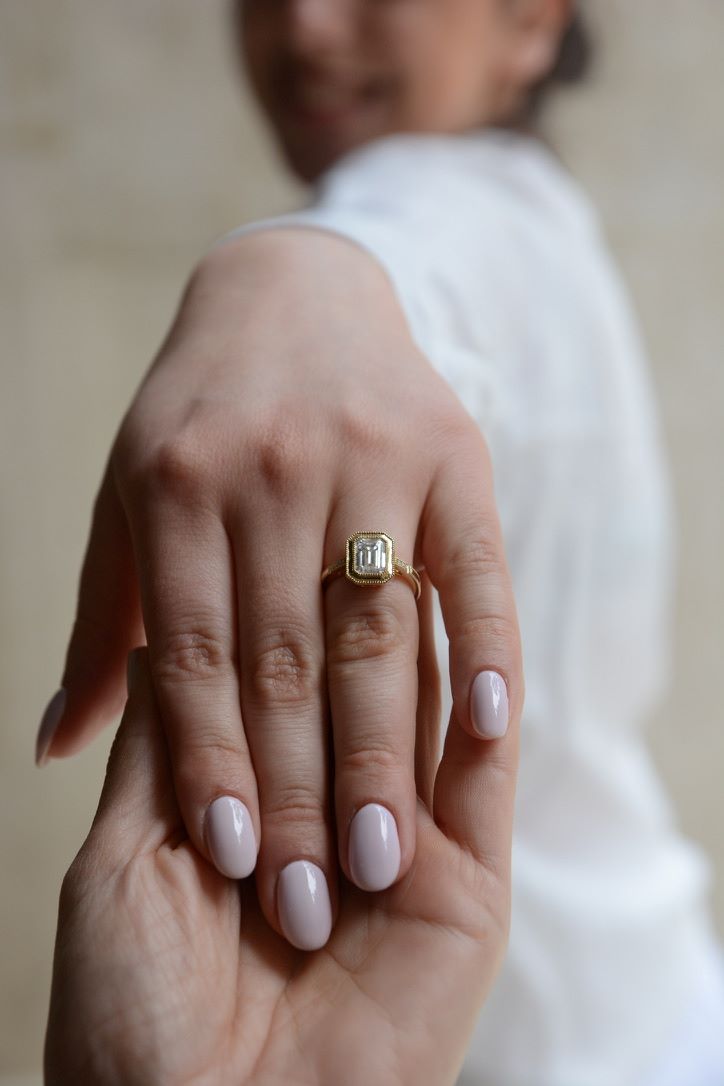
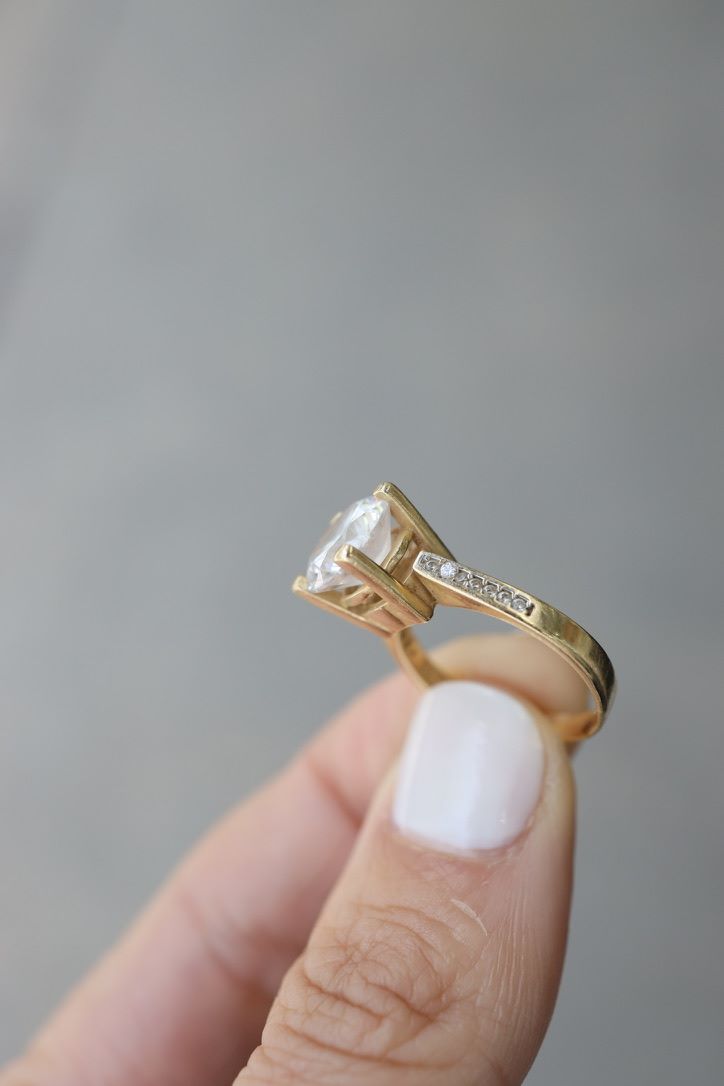
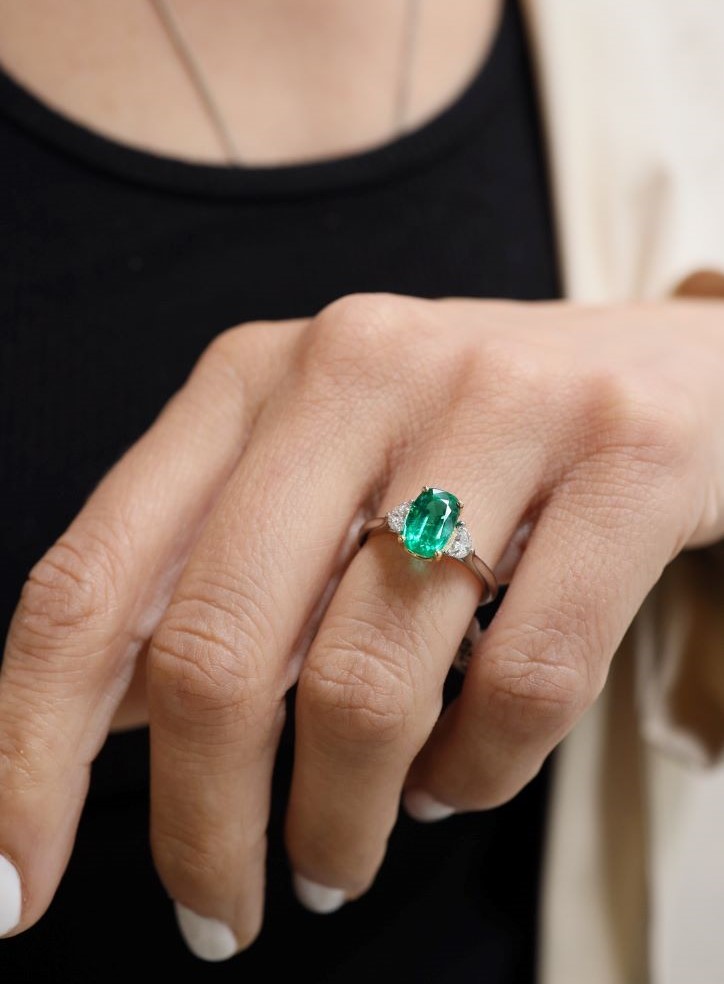
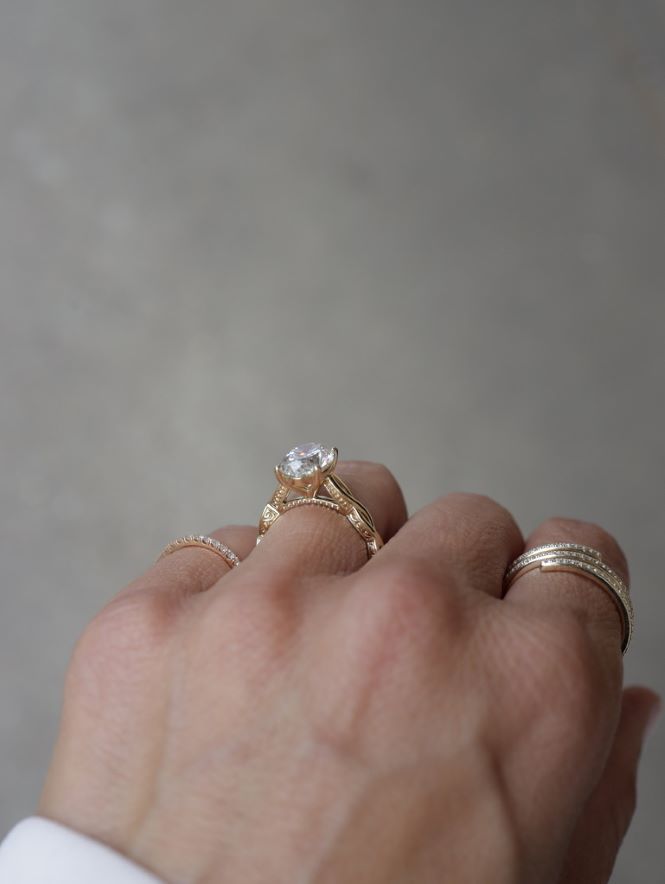
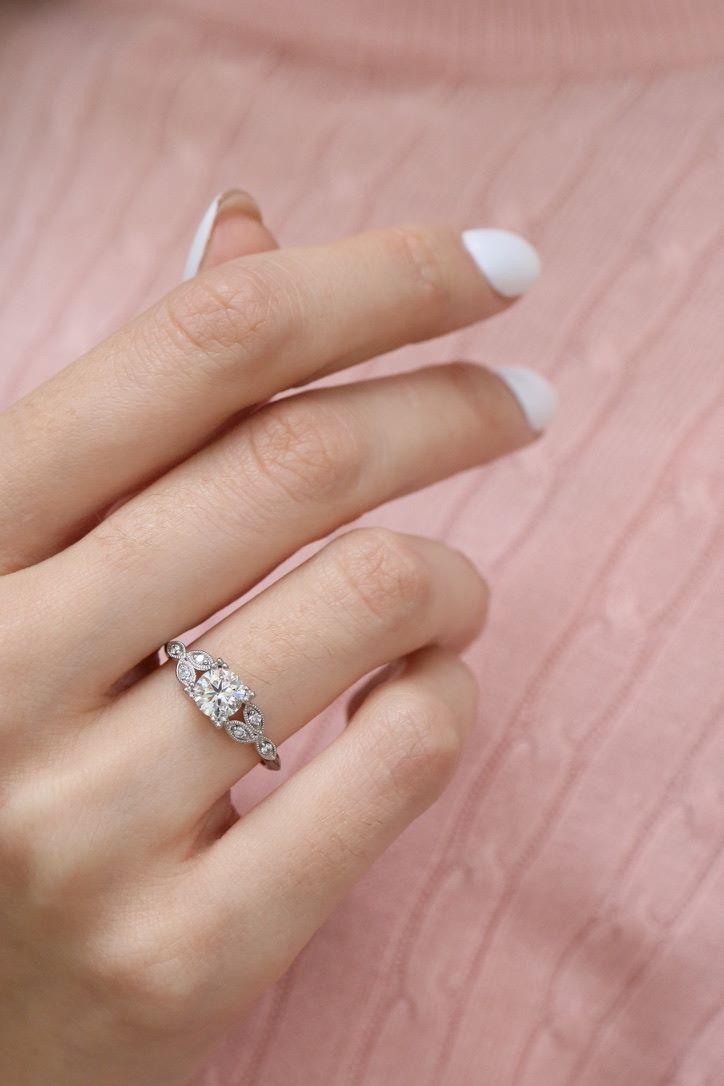
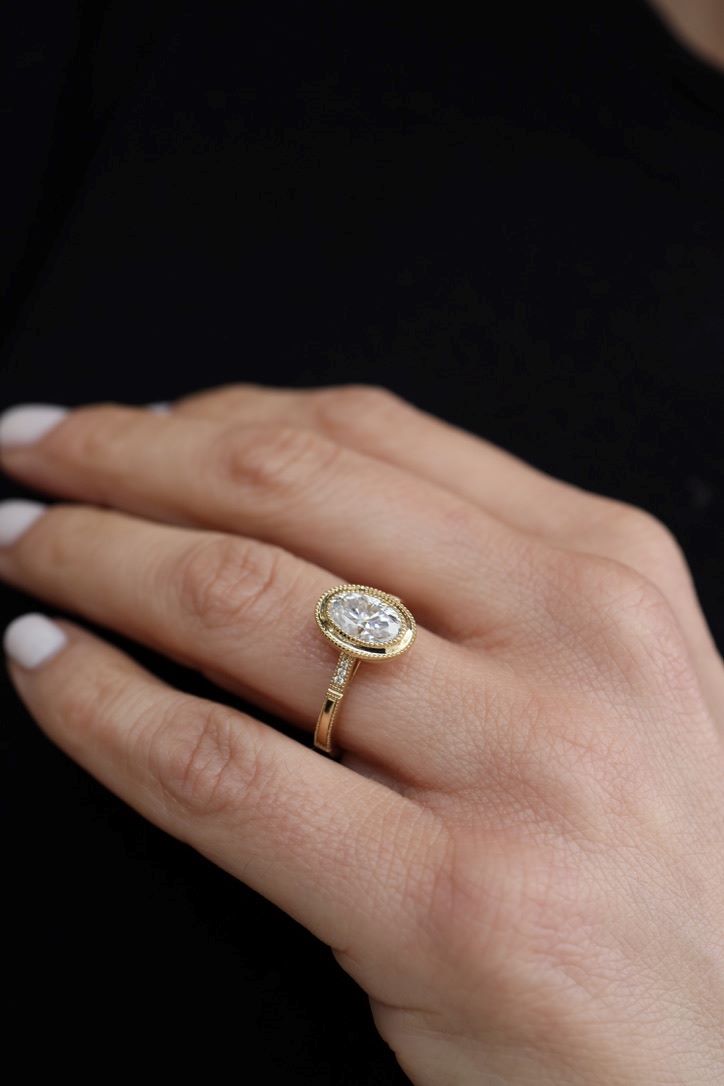
A vintage inspired engagement ring is a newly made ring designed with the details of an earlier design era, rather than an original antique piece. The two eras driving the current trend are Victorian, roughly 1837 to 1901, and Art Deco, roughly 1920 to 1935. Each has a distinct visual language, and 2026's designs are borrowing from both rather than sticking to just one.
Victorian jewellery favoured softness and sentiment. The details reappearing now include rose cut diamonds, which have a flatter, more candlelit sparkle than a modern brilliant cut, along with warm yellow gold settings, floral and nature motifs, and small engraved or symbolic touches such as initials, dates or hidden messages worked into the band.
Art Deco jewellery is the opposite mood: precise, geometric and architectural. The details showing up in 2026 collections include sharp symmetrical halos, step cut and emerald cut centre stones, filigree metalwork that looks almost like lace in platinum or white gold, and rubover settings that give a clean, streamlined edge to the stone.
Four things are converging to bring vintage and Art Deco design back in 2026. First, personalisation. Buyers increasingly want a ring that carries a story, and historical detailing does that automatically. Second, a reaction to minimalism. After several years of plain solitaires and thin bands, antique detail feels distinctive again. Third, social platforms have made archival and estate jewellery far more visible than it used to be, so more people are seeing these styles and asking for them. Fourth, sustainability. Choosing an antique inspired design, or an actual antique stone reset into a new setting, appeals to buyers who like the idea of a piece with history rather than something mass produced.
You do not need an actual antique to get the look. A bespoke jeweller can build any of the following details into a brand new ring using certified modern diamonds:
A vintage inspired ring is made new, to order, using historical design details. A genuine antique ring is an original piece, decades or centuries old, bought secondhand or through an estate sale. Vintage inspired rings give you the look with a certified stone, a warranty and a size built for your finger from the start. Genuine antiques carry more history but often need resizing, re tipping of prongs, or a new shank to be worn safely day to day. Most people who love the aesthetic but want a ring built to last a lifetime of daily wear choose the bespoke, vintage inspired route.
Every decade leaves its mark on engagement ring style, and 2026's revival is really a return to two of the most influential eras in that timeline. If you want the fuller picture, our decade by decade series looks at how rings evolved through the 1950s, 1960s, 1980s, 1990s and 2000s. The Toi et Moi style, one of the oldest engagement ring formats still worn today, is another good example of how often the past ends up back in fashion.
Because every Harmony Jewels ring is built bespoke, vintage character is simple to design in from the start, milgrain, filigree, a rose cut stone or an engraved band can all be part of the brief. Our bespoke process walks you through exactly how a design like this comes together, and you can browse current settings for a starting point before your consultation. If you would like to talk through a vintage inspired design in person, you can book an appointment with our team in Hatton Garden.
A vintage inspired engagement ring is a newly made ring designed with details from an earlier era, such as Victorian or Art Deco, rather than being an original antique piece.
Victorian rings favour soft, rounded shapes, rose cut diamonds and warm yellow gold with sentimental detailing. Art Deco rings favour sharp geometric lines, filigree metalwork and platinum or white gold settings.
Milgrain is a decorative border of tiny beaded metal along the edge of a ring, traditionally added by hand, that gives a piece its antique looking texture.
Not necessarily. A vintage inspired ring built new by a bespoke jeweller is generally priced in line with an equivalent modern design of the same metal, stone size and detailing. Genuine antique rings are priced individually based on age, rarity and condition.
Yes. A bespoke jeweller can build any historical detail, such as milgrain, filigree or a rose cut stone, into a brand new ring sized and certified for you, which is the route most people choose for everyday wear.