
- Need Help?
 Virtual Appointment
- Book Appointment
- 0
 Your shopping cart is empty
Login to view previously saved items or track a recent order.
Login to view previously saved items or track a recent order.
 Back
Back08/05/2026
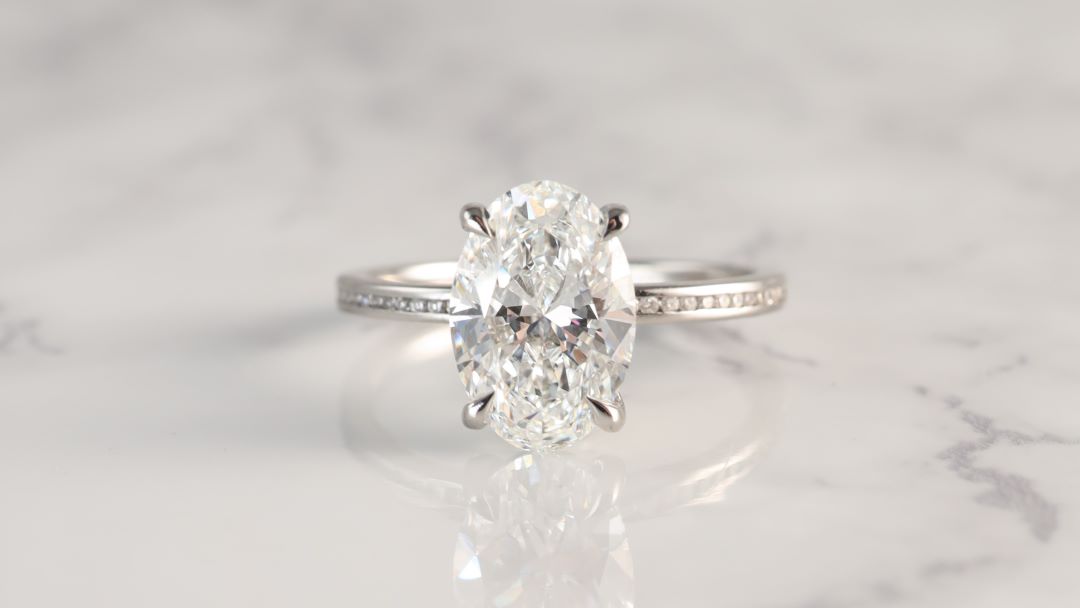
If you have ever wondered why your white gold ring feels a touch warmer or slightly less bright than it did on day one, the answer usually comes down to one word: rhodium. It is a small detail with a big impact on how your ring looks and wears over time, and it is worth understanding before you buy.
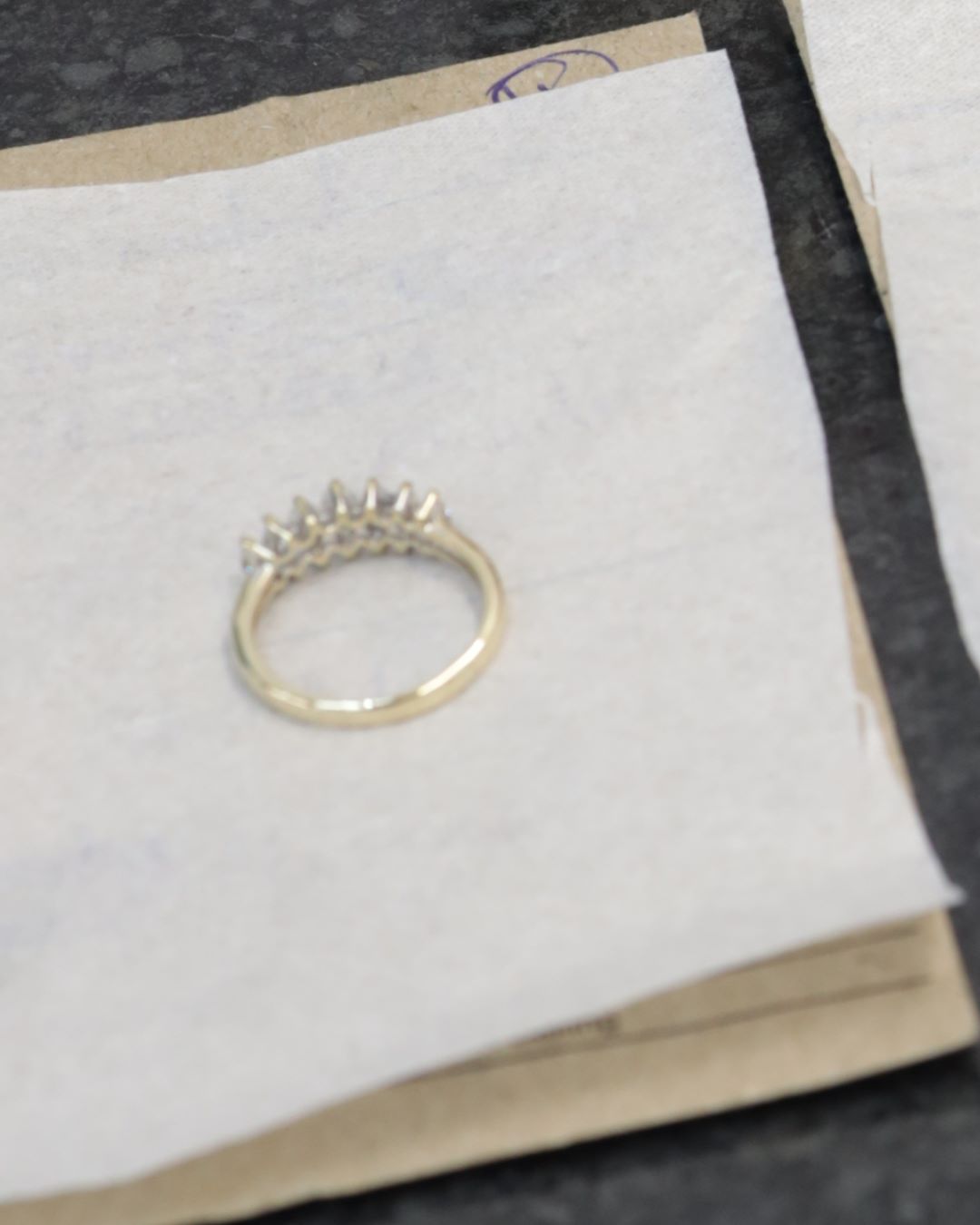
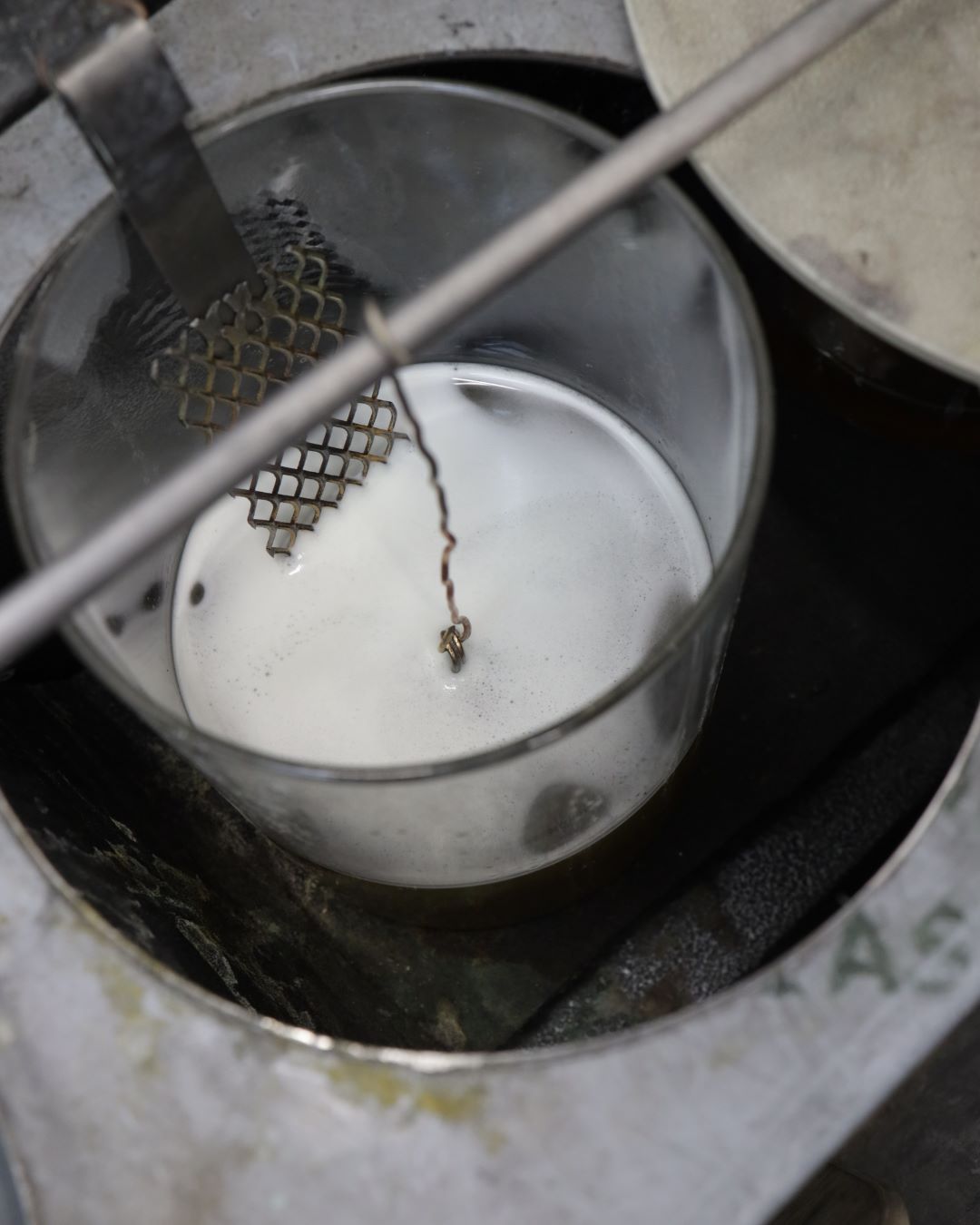
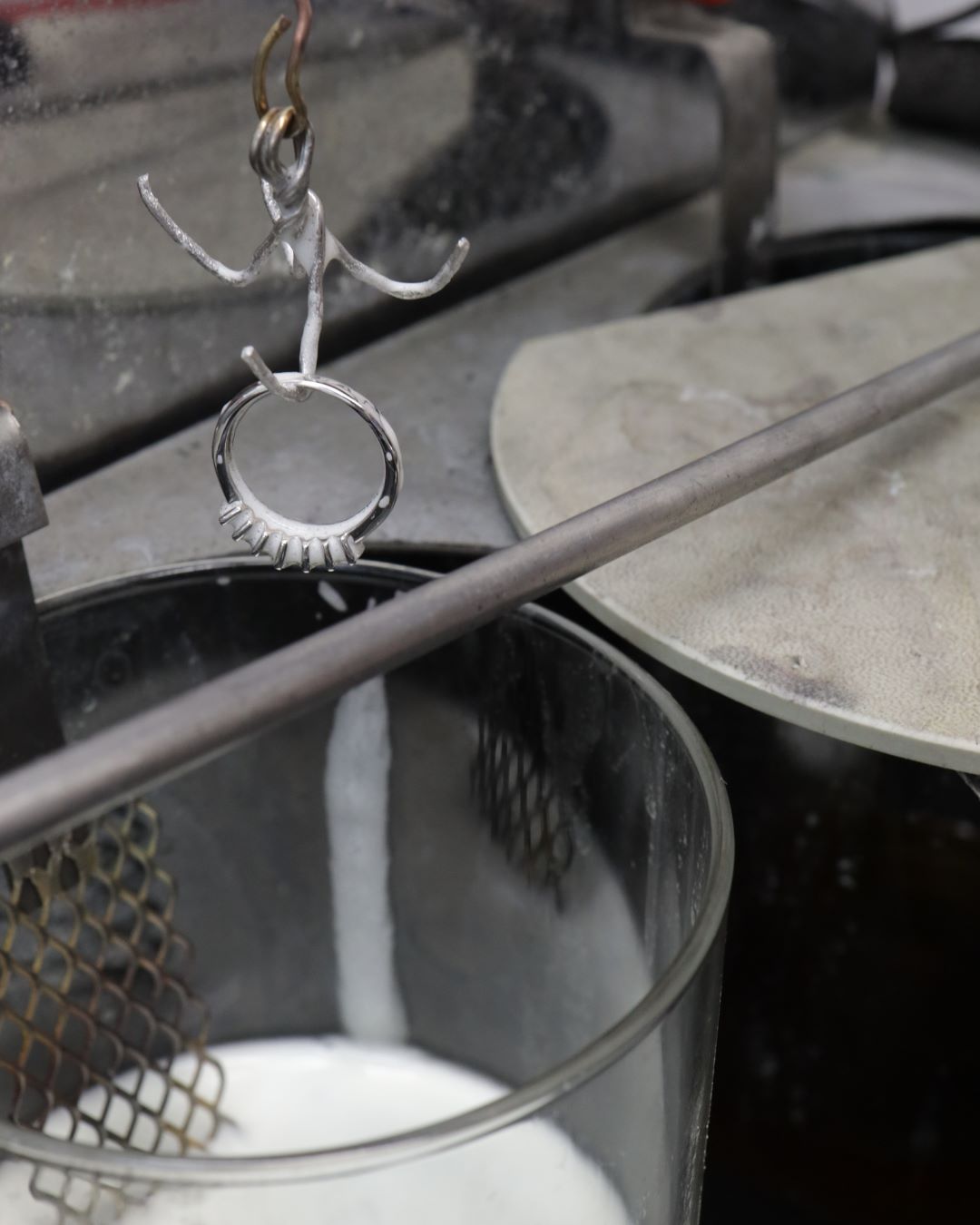
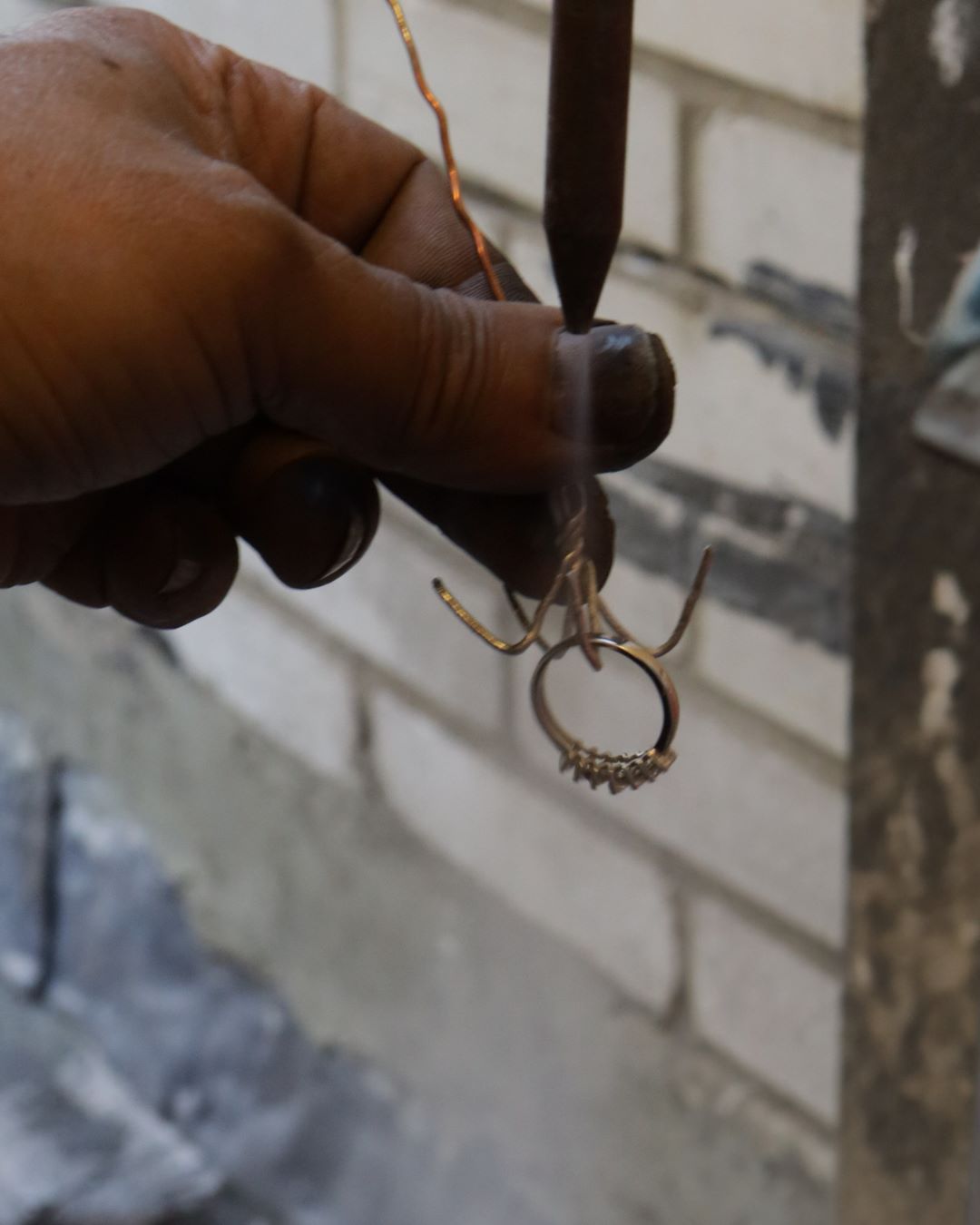
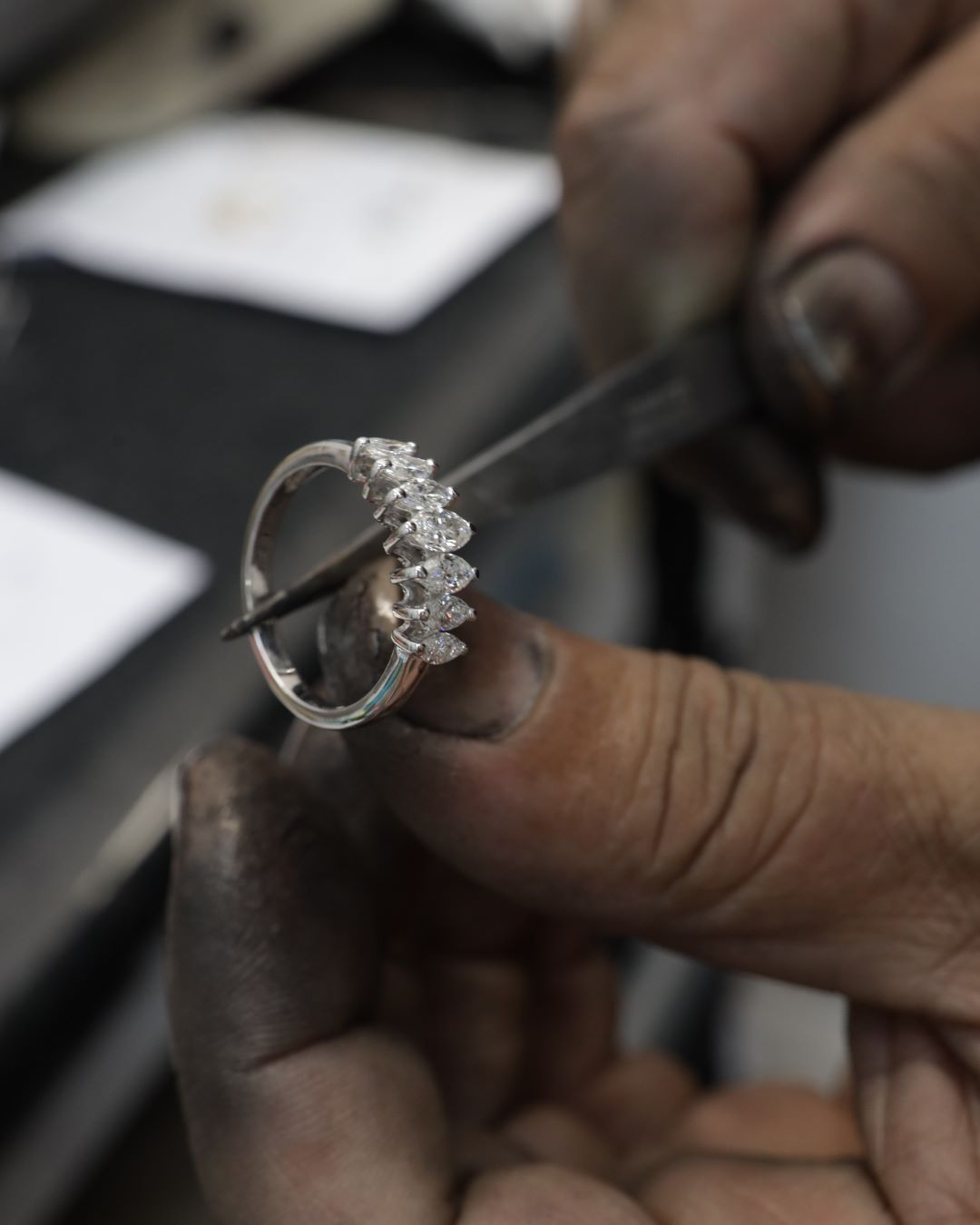
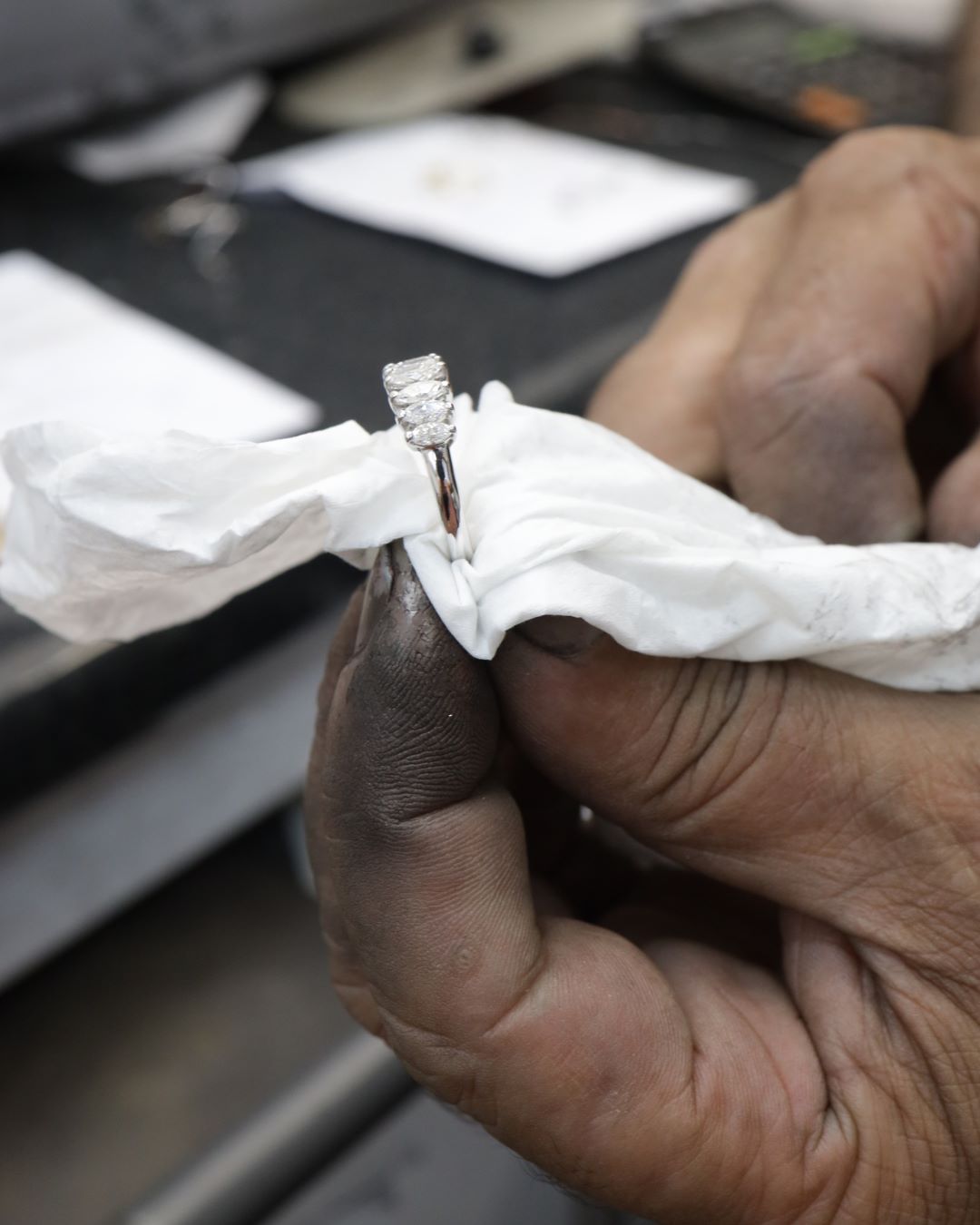
Rhodium is a rare, naturally white metal from the platinum family. It is prized for its bright, reflective finish and its resistance to tarnish, which is why jewellers use a thin layer of it to coat white gold jewellery.
White gold itself is not naturally white. It starts as yellow gold, alloyed with white metals such as palladium to lighten its tone, then finished with a rhodium layer to achieve that crisp, silvery brilliance most people associate with the metal.
Without the rhodium layer, white gold would have a soft, slightly grey or yellowish undertone rather than the bright white finish people expect. Rhodium plating serves three main purposes:
If your ring is white gold, the answer is almost always yes. The rhodium layer is not optional finishing, it is part of what makes the metal appear white in the first place.
Over months and years of daily wear, that thin layer gradually wears down through everyday friction: washing hands, typing, exercising, or simply going about daily life.
As the rhodium wears away, the ring will not become damaged, but it may start to show the warmer, slightly yellow undertone of the gold alloy beneath. This is completely normal and expected, and it does not affect the strength or setting of your diamond in any way.
Most people find their white gold ring benefits from re-plating every 12 to 18 months, though this varies depending on how often the ring is worn and the type of daily activities involved.
Rings worn constantly, especially engagement rings, tend to need attention slightly sooner than pieces worn occasionally.
Every ring made by Harmony Jewels comes with free lifetime cleaning, for as long as you own it. Simply pop into our Hatton Garden showroom and our team will clean, inspect, and refresh your ring at no extra cost, no appointment required.
While rhodium re-plating is a separate service to routine cleaning, keeping up with regular cleaning helps your ring look its best between re-platings and gives our team a chance to check prongs and settings are secure.
You can read more about how we care for our pieces on our lifetime cleaning page, or pop by in person any time.
Yes. Rhodium plating is what gives white gold its bright white colour, so nearly all white gold jewellery is plated as standard, including engagement rings and wedding bands.
Rhodium plating typically lasts between 12 and 18 months before it starts to show wear, though this depends on how often the ring is worn and the wearer's lifestyle.
It is possible to leave white gold unplated, but most people prefer the brighter finish rhodium provides. Without it, the ring will show the warmer, natural tone of the white gold alloy underneath from day one.
Costs vary by jeweller and ring design, but re-plating is a routine, relatively affordable maintenance service compared with the overall value of a fine jewellery piece.
Engagement rings are usually worn daily, so they do tend to need re-plating sooner than jewellery worn only occasionally, such as earrings or an eternity band saved for special occasions.
No. Rhodium plating is applied to the metal only. It has no effect on the diamond's clarity, colour, or security in the setting.
Whether you are drawn to the bright, contemporary finish of white gold or still weighing up your options, our team is happy to talk you through what suits your lifestyle best.
Browse our white gold engagement rings, or book an appointment to see white gold in person at our Hatton Garden showroom.