
- Need Help?
 Virtual Appointment
- Book Appointment
- 0
 Your shopping cart is empty
Login to view previously saved items or track a recent order.
Login to view previously saved items or track a recent order.
 Back
Back08/07/2026
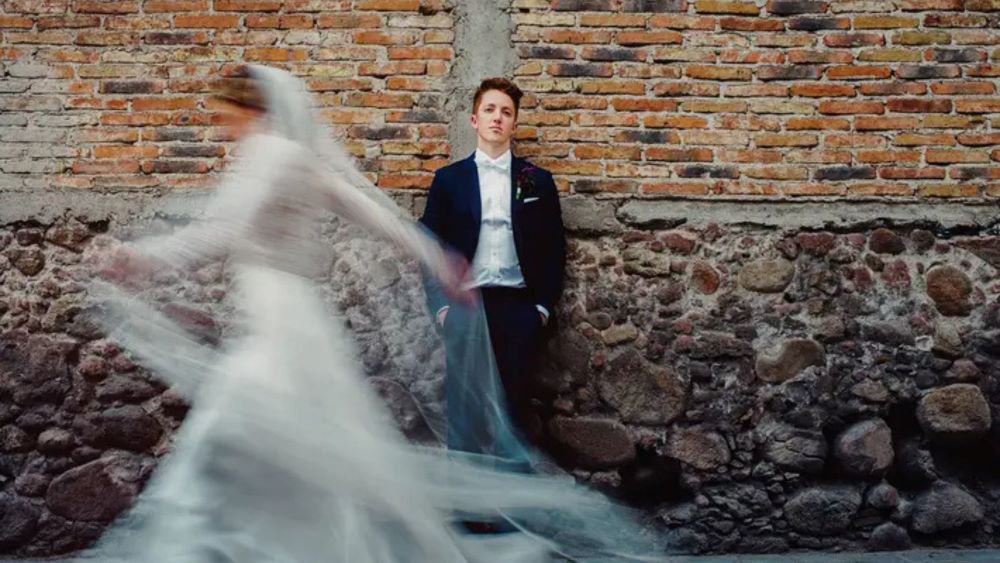
Every wedding is layered with small rituals that feel so familiar we rarely stop to ask where they came from. A veil lifted at the altar, a slice of cake saved for later, a coin tucked into a shoe. These gestures might look like pure sentiment, but many of them began as superstition, protection, or plain practicality centuries ago. Here are five of the best loved wedding traditions and the stories behind them.
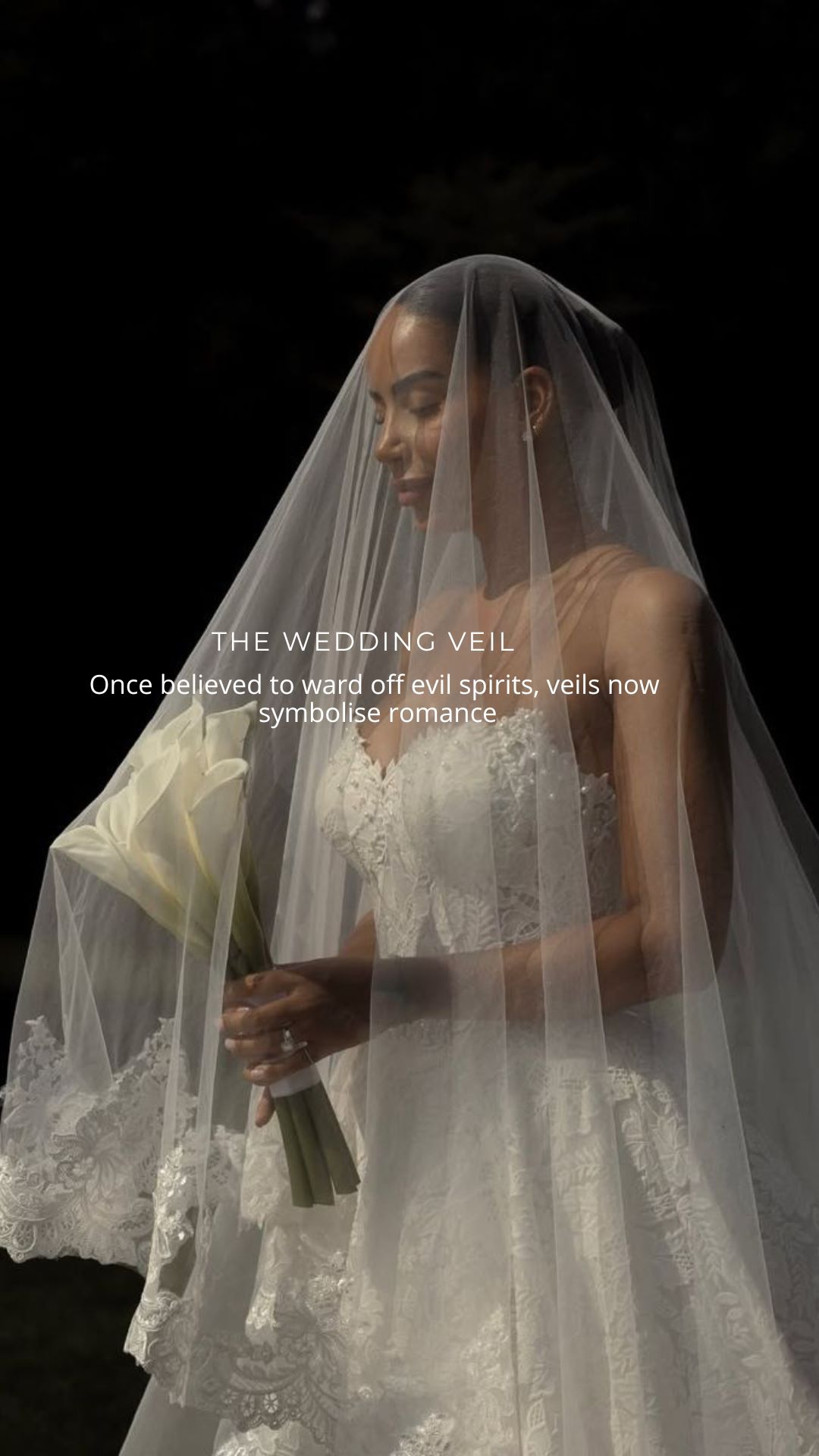
Long before it became a bridal fashion statement, the veil was worn as protection. In Roman times, brides covered their faces to disguise themselves from evil spirits thought to be jealous of their happiness. In other early customs, the veil concealed the bride entirely during arranged marriages, so the groom would not see her face until the ceremony was complete.
Today the symbolism has softened considerably. The veil is now associated with romance and modesty, and the moment it is lifted, whether by the groom or the bride herself, has become one of the most photographed beats of the day. Many brides also treat their veil as a chance to add a personal or heirloom detail, pairing it with bridal separates or a more traditional gown depending on their style.
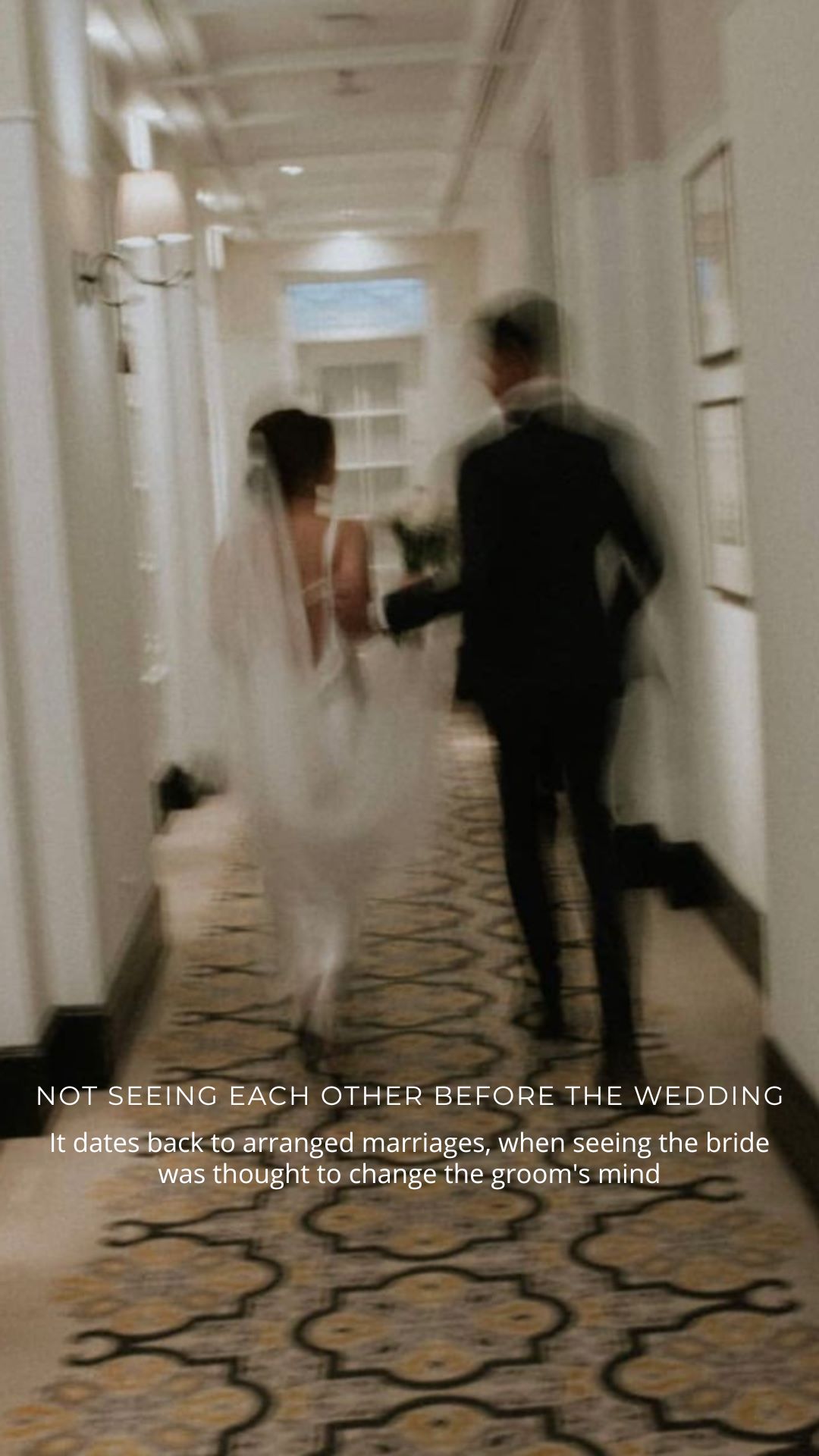
This one has practical, slightly less romantic roots. It dates back to the era of arranged marriages, when couples sometimes met for the first time at the altar. Families feared that if the groom saw the bride beforehand and was not impressed, he might call the whole thing off, so the two were deliberately kept apart until the ceremony.
Modern couples keep the tradition alive mostly for the emotional payoff. That first glimpse walking down the aisle has become one of the most anticipated moments of the day, though plenty of couples now choose the opposite approach with a private first look, timed so their photographer can capture the reaction candidly before the ceremony begins.
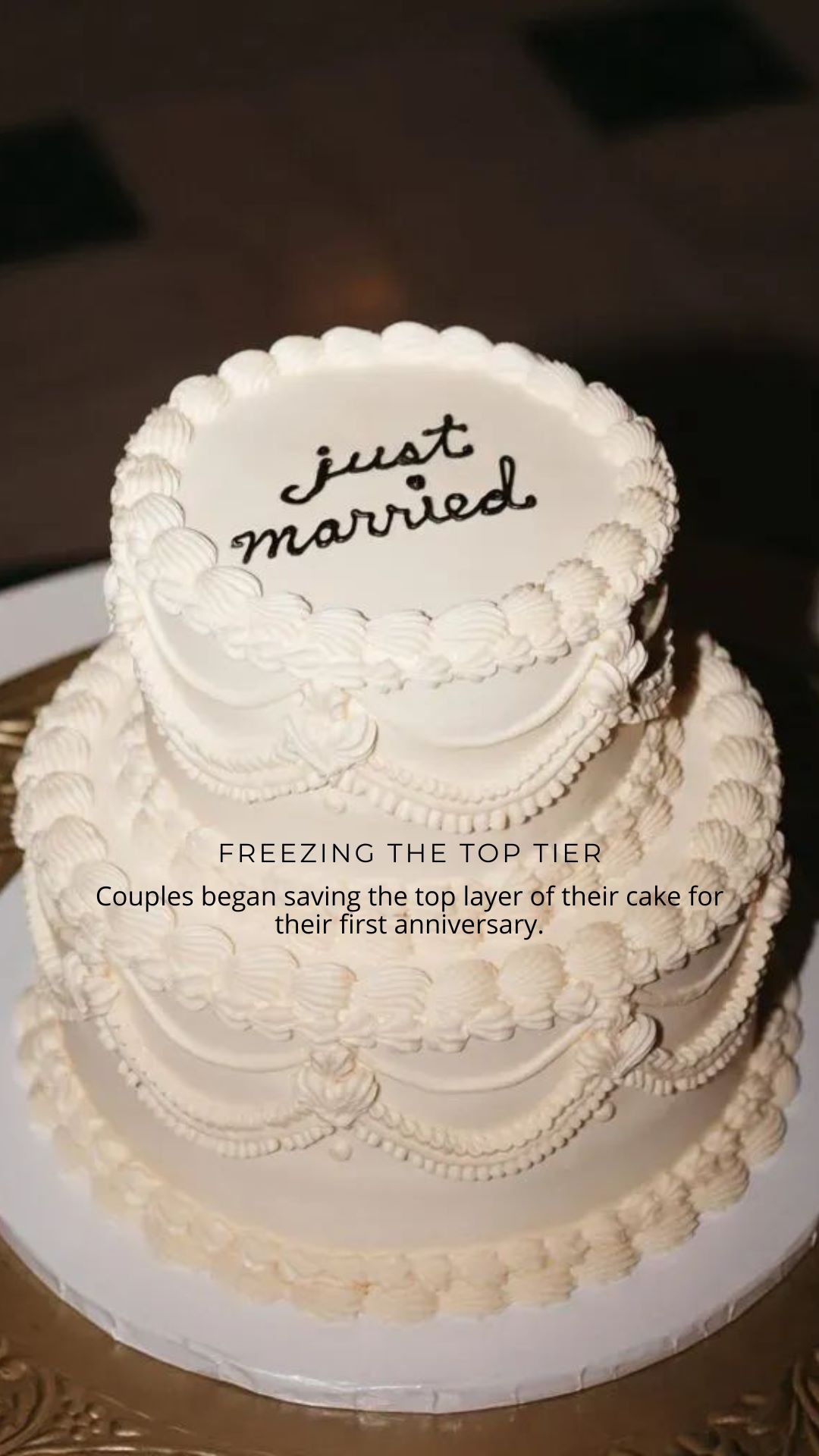
In Victorian England, the top tier of a wedding cake was traditionally saved for a christening rather than an anniversary, since large families tended to welcome their first child within the year. As wedding customs evolved, particularly in the United States, couples began freezing that top layer instead and opening it on their first anniversary as a small, symbolic toast to their first year of marriage.
It is a tradition that has faded slightly in popularity (a year old slice of cake is, admittedly, an acquired taste) but many couples still love the sentiment behind it, choosing instead to order a small fresh cake for their anniversary in the same design as the original.
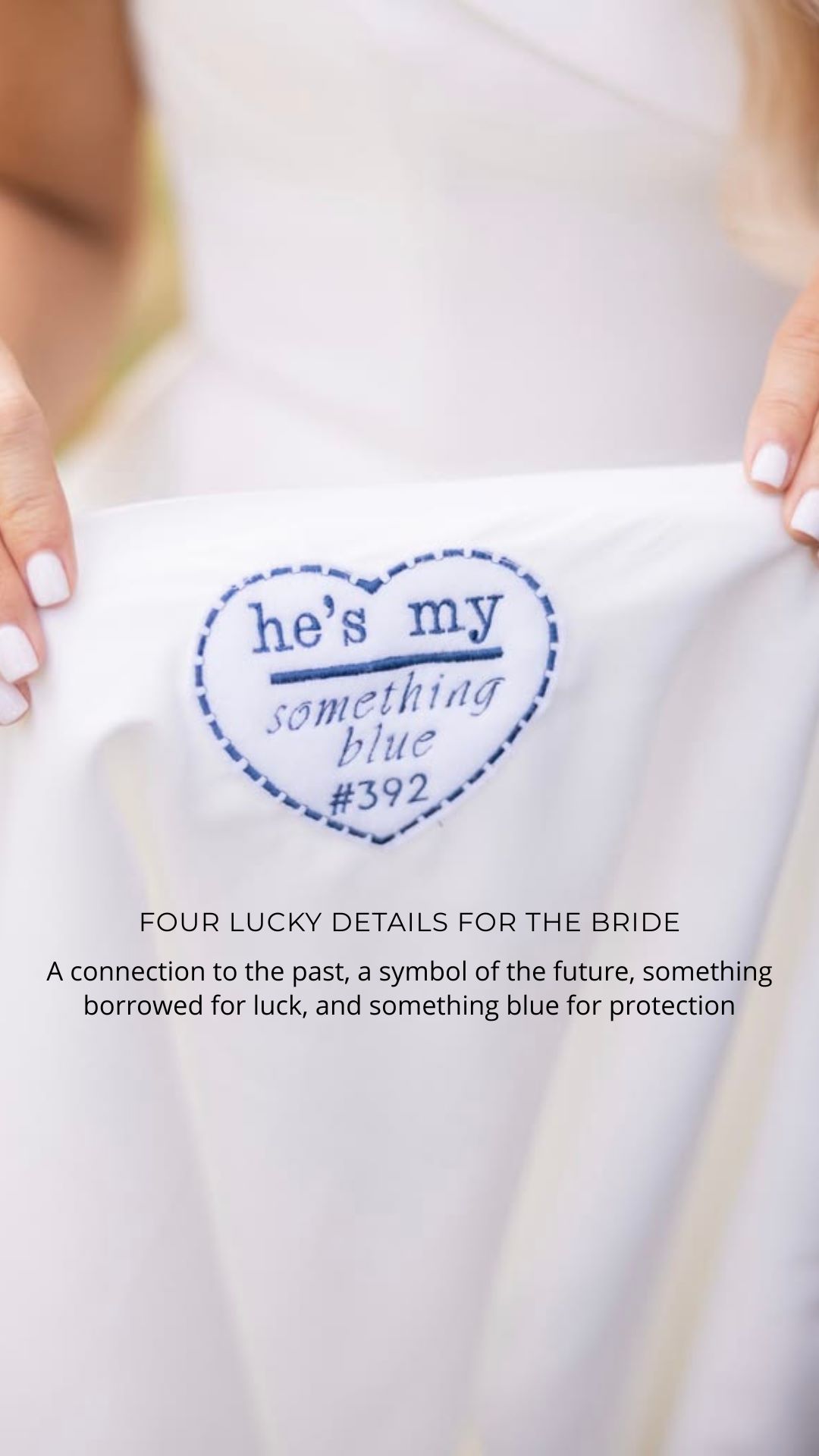
This charming rhyme has been guiding brides for well over a century. Each element carries its own meaning: something old represents a connection to the bride's past and family, something new symbolises optimism for the future, something borrowed is typically lent by a happily married friend or relative to pass on good fortune, and something blue, historically linked to purity and fidelity, offers a little protection on the day.
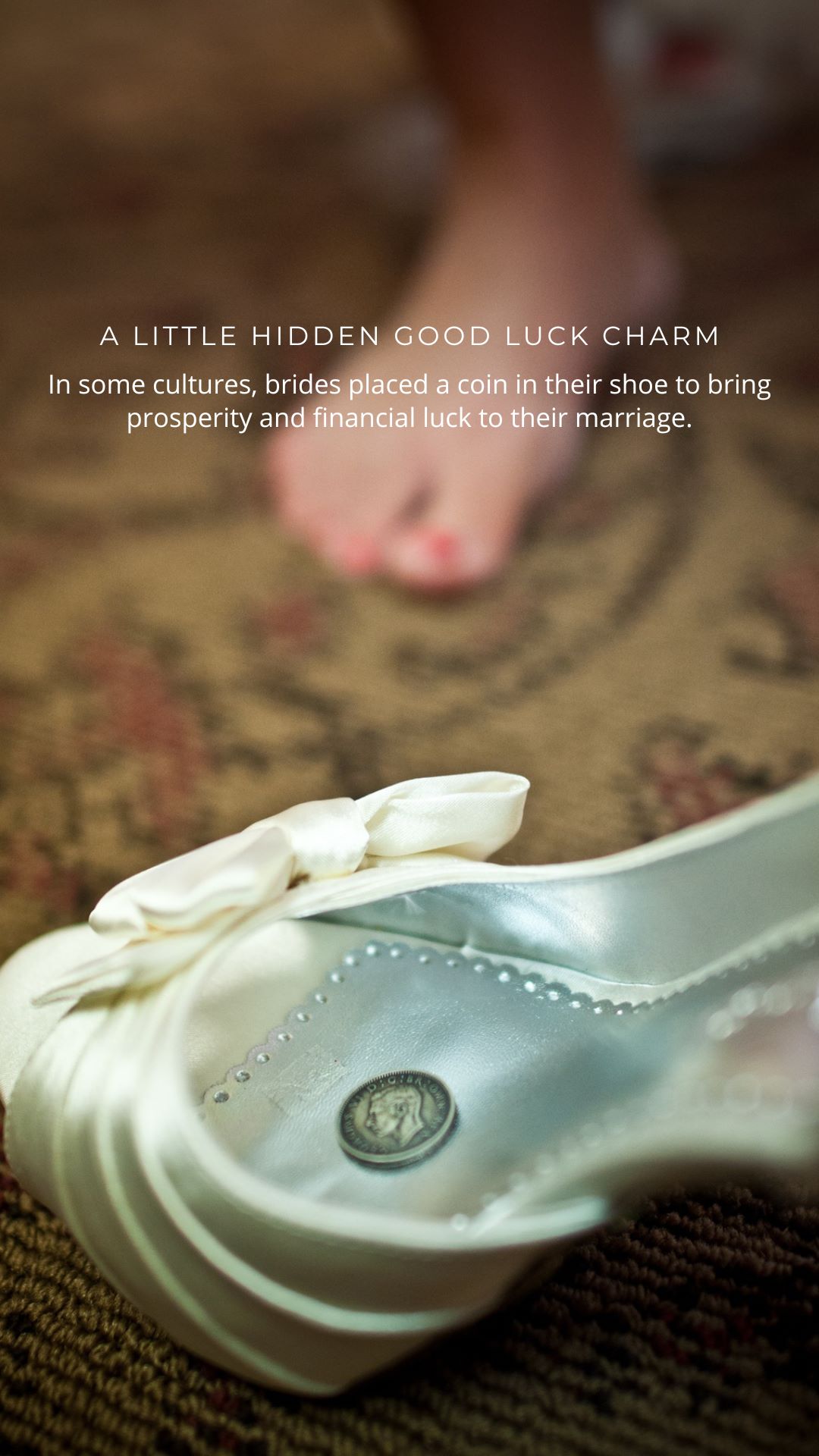
A lesser known variation on this tradition asks brides to tuck a coin into their shoe, a custom from several European and Scandinavian cultures believed to bring prosperity and financial security into the marriage.
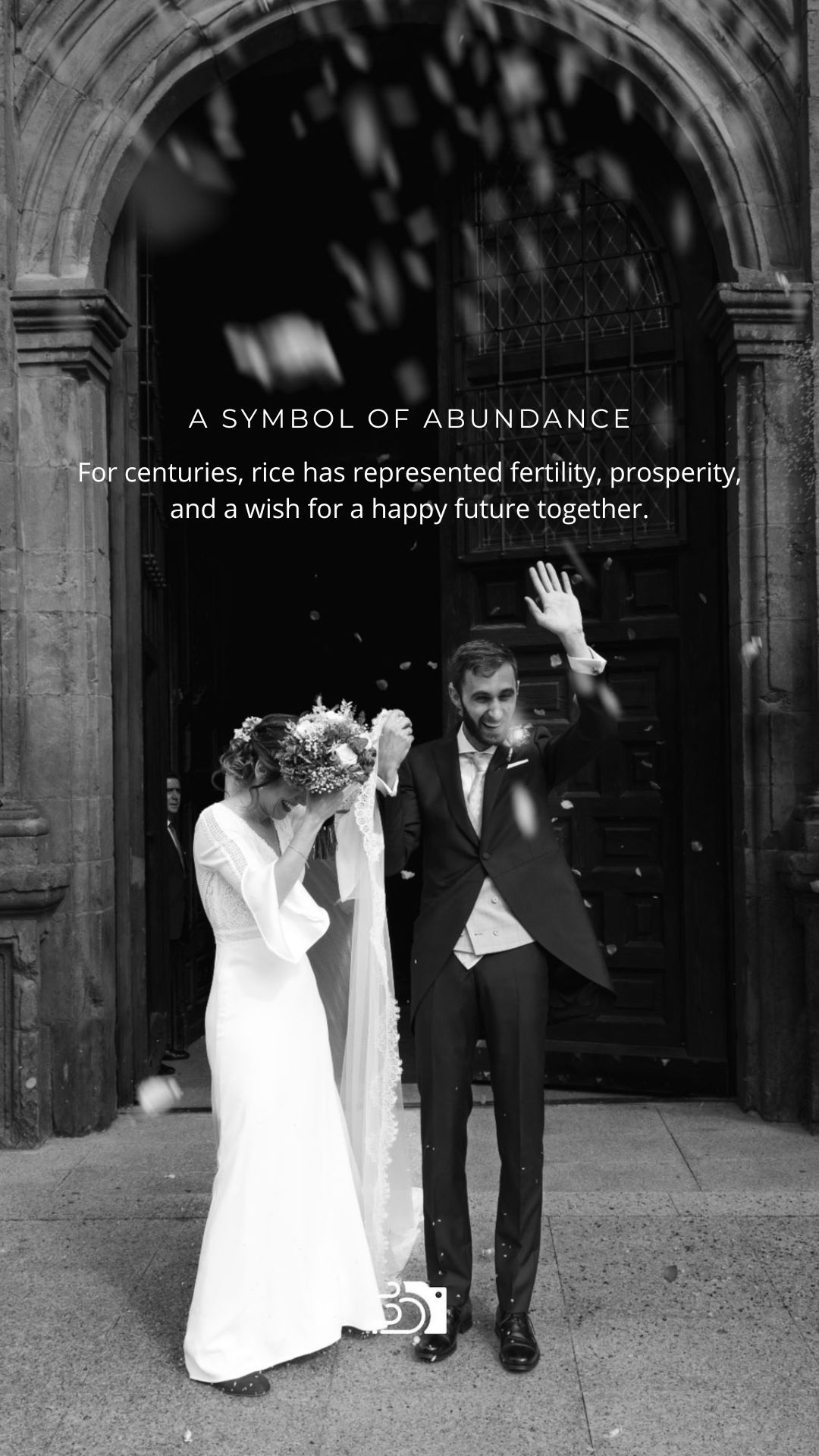
Rice throwing dates back centuries across many cultures and was originally a fertility rite, a wish for the couple's future household to be blessed with abundance, prosperity, and children. Guests would shower the newlyweds as they left the ceremony, quite literally showering them in good fortune.
Many venues today prefer petals, confetti, or bubbles for practical reasons, but the sentiment behind the gesture, a send off filled with well wishes for the couple's future, remains exactly the same.
Wearing a veil is thought to be one of the oldest surviving wedding traditions, with roots in Roman customs where brides covered their faces to ward off evil spirits.
Something blue is historically linked to purity, love, and fidelity. It is one part of the wider rhyme, something old, something new, something borrowed, something blue, which has guided bridal traditions since the Victorian era.
Some couples still choose rice, though petals, dried confetti, and bubbles have become popular modern alternatives for practical and environmental reasons. The symbolism, wishing the couple prosperity and happiness, stays the same regardless of what is thrown.
Something borrowed is traditionally lent to the bride by a happily married friend or family member, believed to pass a little of their good fortune on to the new marriage.
Whichever traditions you choose to keep, adapt, or leave behind, your wedding day should feel entirely your own. If you are searching for a ring with its own story, whether an engagement ring, wedding band, or a reworked heirloom, our Hatton Garden team would love to help. Book an appointment to start designing with us.