
- Need Help?
 Virtual Appointment
- Book Appointment
- 0
 Your shopping cart is empty
Login to view previously saved items or track a recent order.
Login to view previously saved items or track a recent order.
 Back
Back04/29/2026

Summer is almost here. Here's what every ring-wearer needs to know before their holiday.
You just got engaged. The ring is perfect. And now, sun, sea, and a gym routine are all calling your name. But before you dive in (literally), there's one question nobody tells you the answer to upfront:
Is it actually safe to wear your engagement ring everywhere?
The short answer: not always. The longer answer is what this guide is for. Whether you're planning a Mallorca beach break, a Mykonos pool day, or just heading to your Monday morning spin class; here's exactly what's safe, what isn't, and what to do instead.
Let's start with the one people overlook most. The gym feels safe: no water, no sand, but it's actually one of the riskiest places for your ring.
When you grip a barbell or dumbbell, the metal-on-metal pressure doesn't just scratch the surface of your band — it can actually bend it. And once a band changes shape, even slightly, the stones inside are no longer sitting in the setting they were designed for. That's when diamonds start working loose.
Pavé and micro-pavé bands are especially vulnerable. Those tiny stones are held in by delicate prongs, and repeated pressure from weights is one of the most common reasons they fall out.
It's not just the physical impact. Sweat is mildly acidic, and over time it accelerates tarnishing; particularly on white gold (which is rhodium-plated and can wear through faster with regular sweat exposure) and sterling silver. It also seeps into the setting and leaves behind a grimy buildup that dulls your stone's brilliance.
Here's a scenario no one warns you about: you finish a hard set, your hands swell, and suddenly your ring won't come off. Or the opposite: you're mid-run and it slides off without you noticing. Both happen more than you'd expect.
The verdict on the gym: Leave it at home, or put it somewhere secure in your locker. If you can't bear to remove it, wear it on a sturdy chain around your neck for cardio-only sessions, but never for weightlifting.

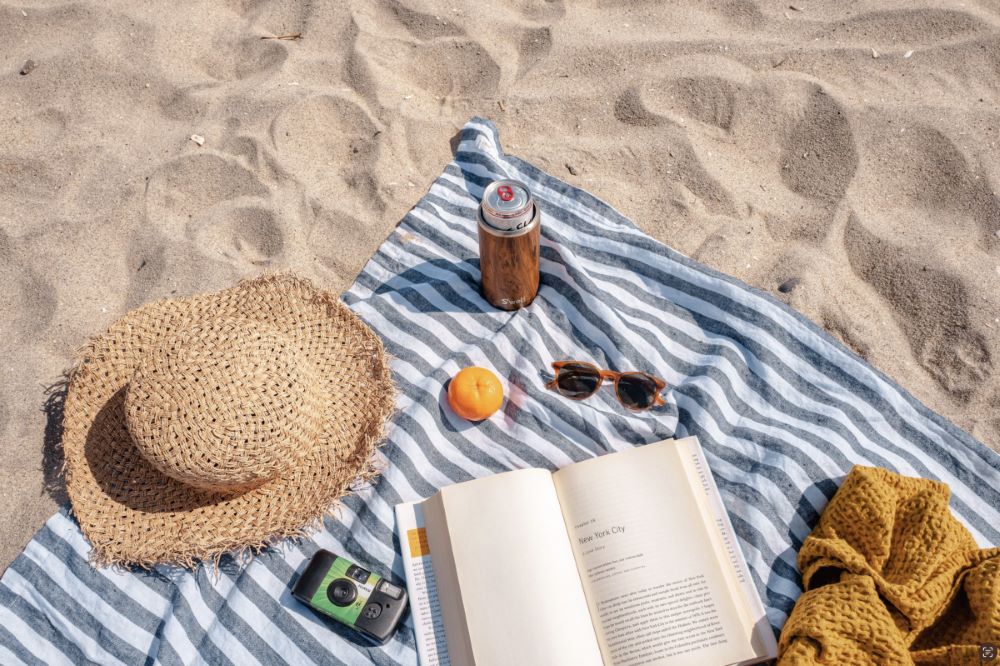
A beach holiday with a beautiful ring sounds dreamy. The reality is a little harsher.
Seawater is corrosive. Even gold alloys (which contain copper, zinc, or nickel) can react with prolonged saltwater exposure, leading to surface pitting and discolouration. The higher the alloy content (10ct and 14ct gold are more vulnerable than 18ct), the faster this can happen.
This is the big one. Cold seawater causes your fingers to contract, and even a perfectly fitted ring can slide off without warning. Every summer, rings are lost to the sea. They don't come back.
Even before you get in the water, beach sand is abrasive enough to scratch your band and work its way into prong settings, weakening the hold on your stone over time. Applying sunscreen with your ring on is another common mistake: the oils coat your diamond in a film that's surprisingly hard to remove and dulls its brilliance fast.
The verdict at the beach: Take it off before you leave your sunlounger. Store it in a small zip pouch inside your bag (not loose at the bottom) or better yet, leave it locked in your hotel safe.
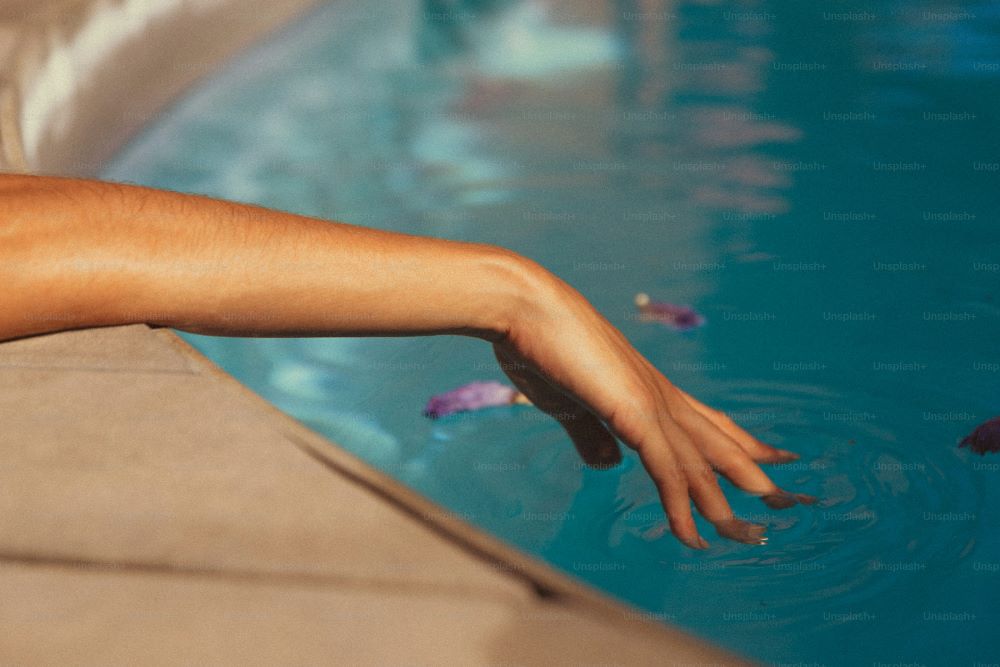
Pools feel cleaner than the sea. But chemically speaking, they're just as damaging and in some ways more so.
Chlorine reacts with the alloy metals in gold (copper, zinc, nickel) and causes a process called stress corrosion: a gradual weakening of the metal's structure from the inside out. You won't see it happening, but over repeated exposure the band can become brittle, prongs can loosen, and eventually the stone can work free.
Rose gold is particularly at risk because of its copper content. White gold is also vulnerable. Platinum is the most resistant, but even platinum settings can suffer if prongs weaken over time.
Higher temperatures + higher chemical concentrations = faster damage. If there's one place jewellers universally agree your ring should never go, it's a hot tub.
Cold pool water shrinks fingers just like the sea does. The risk of a ring slipping off unnoticed is very real and unlike a dropped earring on a tiled floor, a ring in a pool can end up in a filter, down a drain, or completely impossible to find.
The verdict at the pool: No. Leave it in your room, or use a small secure ring dish by your poolside belongings, but not if you're going to leave your things unattended.
A few more summer scenarios worth covering:
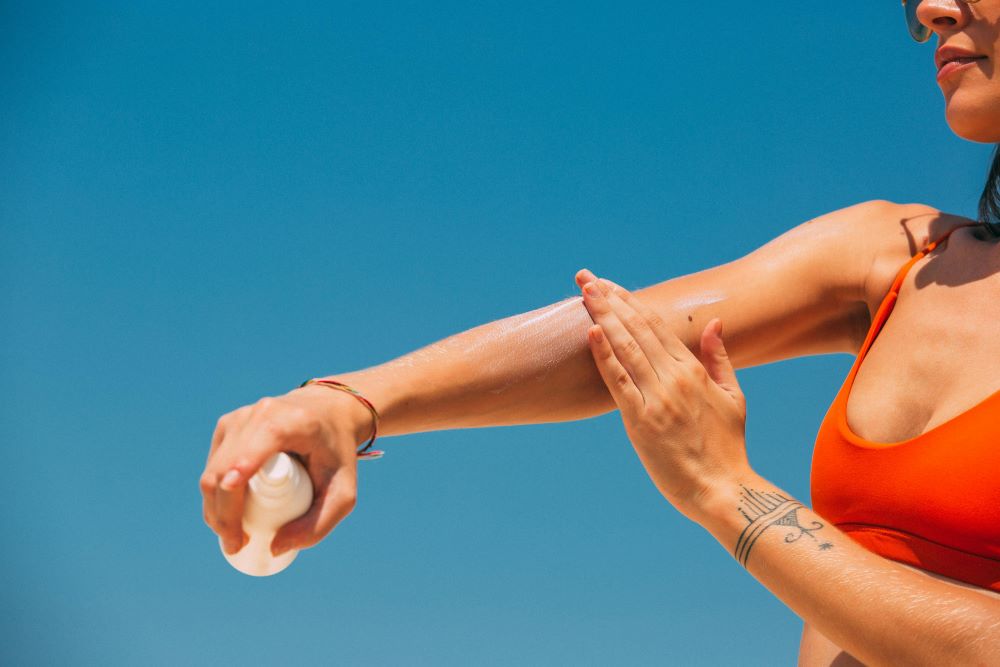
Applying suncream: Always remove your ring first. SPF products coat the diamond and lodge in prong settings, creating a film that's hard to fully clean and makes your stone look dull.
Paddleboarding / kayaking / snorkelling: Same risks as swimming: cold water, potential loss, saltwater damage. Leave it behind.
Beach volleyball / water sports: Impact sports risk bending the band and knocking stones loose. A very firm no.
Outdoor dining, walking, sightseeing: Perfectly fine. Wear it proudly.
Here's a simple holiday ring rule to remember:
If your hands are going near water, weights, sand or sunscreen, the ring comes off.
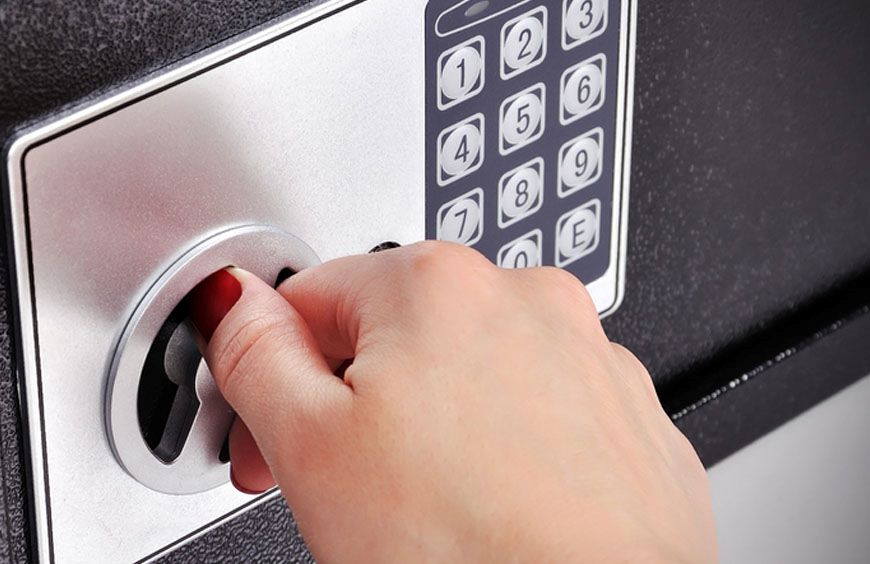
For storage, invest in a small travel ring box or a slim, hard-sided jewellery pouch. Most hotels have in-room safes: use them. If you want to keep something on your finger at the gym or the beach, a silicone ring is a great alternative: inexpensive, comfortable, waterproof, and zero risk to your real ring.
No. Lab-grown and natural diamonds are chemically identical; both are pure carbon. A lab-grown diamond will be just as susceptible to chipping from gym equipment and just as dazzling after a clean as a mined stone. The risk factors above apply equally to both.
What matters more than the origin of the diamond is the metal of the band, the type of setting, and how often you expose it to chemicals or physical stress.
| Activity | Risk Level | Main Threat |
|---|---|---|
| Weightlifting | 🔴 High | Bent band, loose stones, scratches |
| Cardio / running | 🟡 Medium | Sweat buildup, ring slipping off |
| Swimming in the sea | 🔴 High | Saltwater corrosion, cold finger, loss |
| Swimming in a pool | 🔴 High | Chlorine corrosion, cold finger, loss |
| Hot tub | 🔴 Very High | Chlorine + heat = accelerated damage |
| Beach sunbathing | 🟡 Medium | Sand scratches, sunscreen buildup |
| Paddleboarding / kayaking | 🔴 High | Cold water, loss risk |
| Casual holiday activities | 🟢 Low | Enjoy it |
If your ring has been exposed to suncream, salt, or chlorine (even once), here's a simple at-home clean:
For rings with engraved bands or intricate settings, a professional ultrasonic clean once or twice a year is worth it to get into every detail.
Your ring is made to be worn and loved, not locked away. But protecting it during the activities most likely to damage it isn't overcautious. It's just smart.
A bespoke engagement ring, especially one handcrafted with engraved detailing or a pavé band, deserves a little extra care. The best summer habit you can build? A small ring dish or travel box that goes on your holiday packing list, right next to your SPF.
Thinking about designing a bespoke engagement ring? We work with natural and lab-grown diamonds across every budget, with virtual appointments available worldwide. We'd love to help you bring your dream ring to life! Pop by our Hatton Garden showroom for a chat, or book a free virtual consultation from wherever you are in the world. [Get in touch to begin your ring journey.]