
- Need Help?
 Virtual Appointment
- Book Appointment
- 0
 Your shopping cart is empty
Login to view previously saved items or track a recent order.
Login to view previously saved items or track a recent order.
 Back
Back02/27/2026
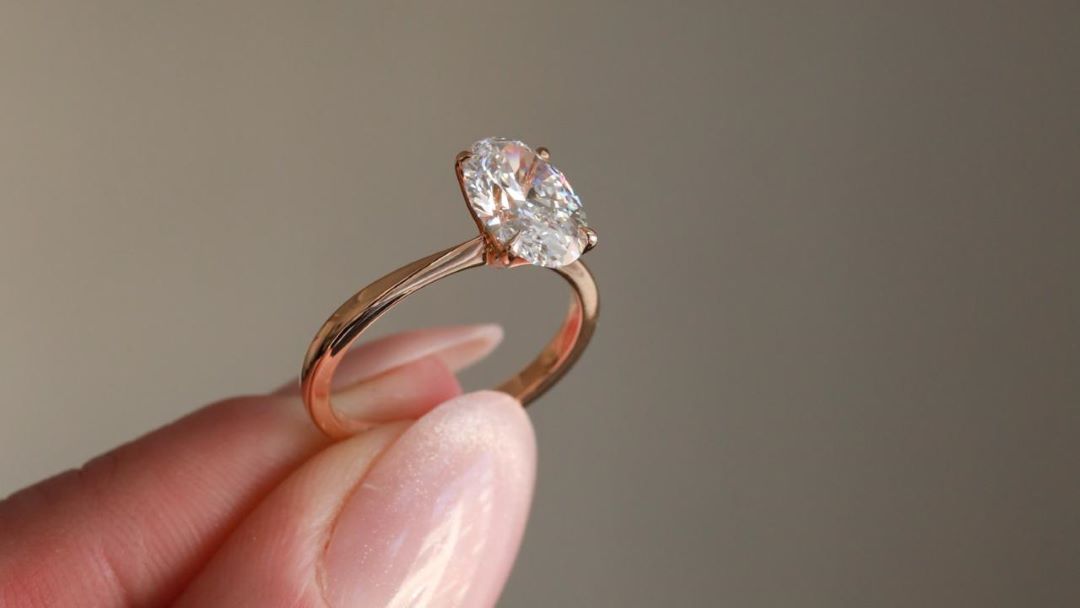
So, you've been ring browsing… and you've probably noticed that some rings sit low and snug against the finger, while others have that dramatic, elevated presence that catches light from across the room. And if you're the kind of person who actually uses their hands (you know, a normal human being), you've probably wondered: is a low-set ring actually tougher?
The short answer is: often, yes. But it's a little more nuanced than that, and as jewellers we want to give you the full picture.
A low-set engagement ring is exactly what it sounds like; the stone sits closer to the finger rather than being elevated on a tall setting. Think of it as the ring hugging your hand rather than standing tall above it. Less height means the diamond is naturally more tucked in, which means fewer accidental knocks on doorframes, desk edges, gym equipment, and all the other chaos of everyday life.
And yes, for a lot of people, that matters a lot.
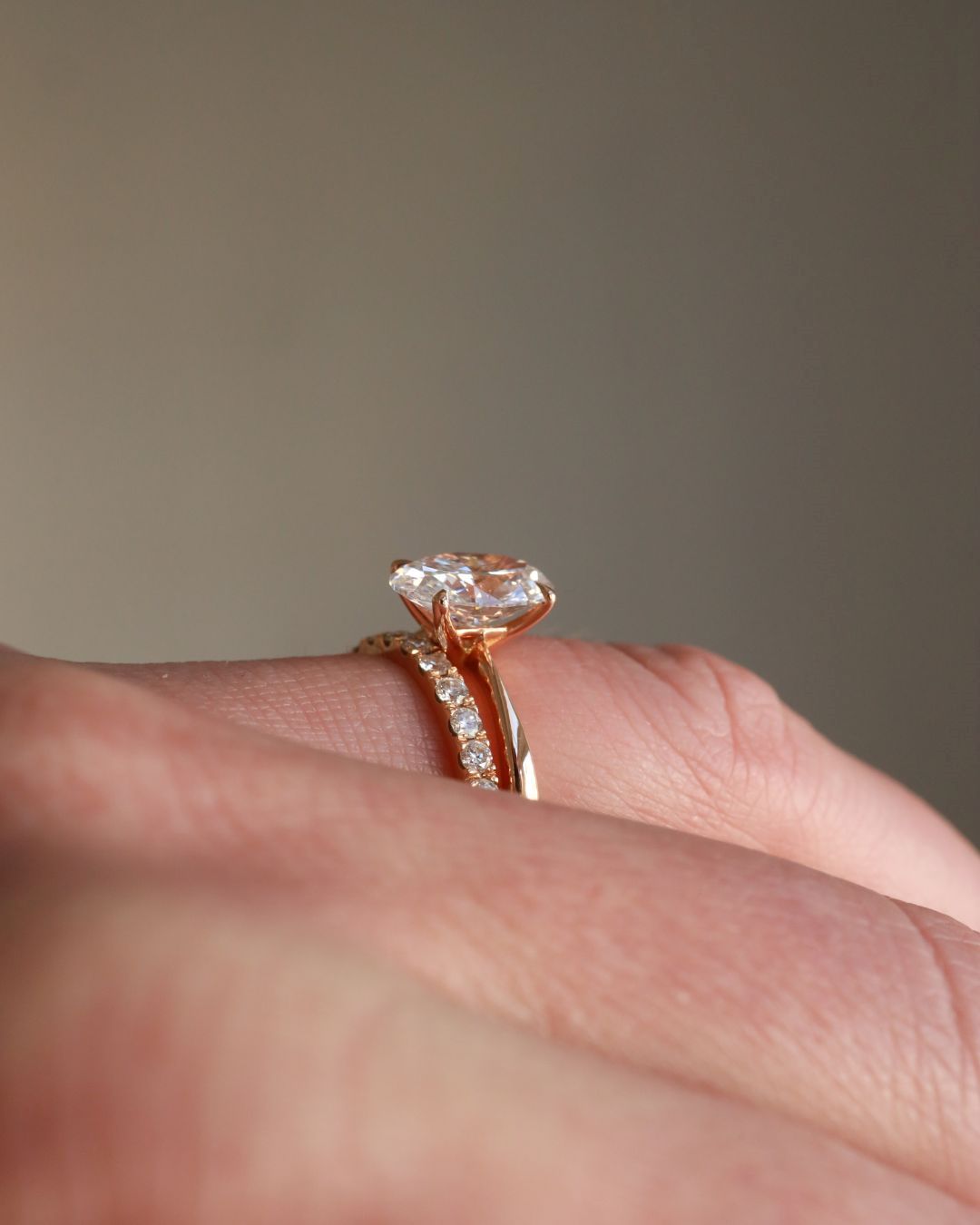
Not exactly. And this is where it gets interesting.
Height plays a role, but durability really comes down to how the ring is designed and built. Here's what we actually look at when we're crafting a ring that's going to last a lifetime of real wear:
Setting design. A well-engineered low setting distributes pressure evenly across the stone. This reduces stress on both the diamond and the prongs over time. Good engineering matters far more than height alone.
Prong style and thickness. Strong, properly shaped prongs are everything. Whether a ring sits high or low, if the prongs are too thin, too pointed, or poorly positioned, the stone is at risk. We're obsessed with getting this right.
Stone shape. This one surprises a lot of people. Certain cuts like oval, pear, and marquise, have pointed or tapered ends that are naturally more vulnerable to chipping. For these shapes especially, a lower profile with reinforced tips can make a real difference to long-term durability.
Your lifestyle. This is honestly the big one. If you're active, hands-on, work with your hands, or simply wear your ring every single day without taking it off, a lower setting is often the smarter, more practical choice for you.
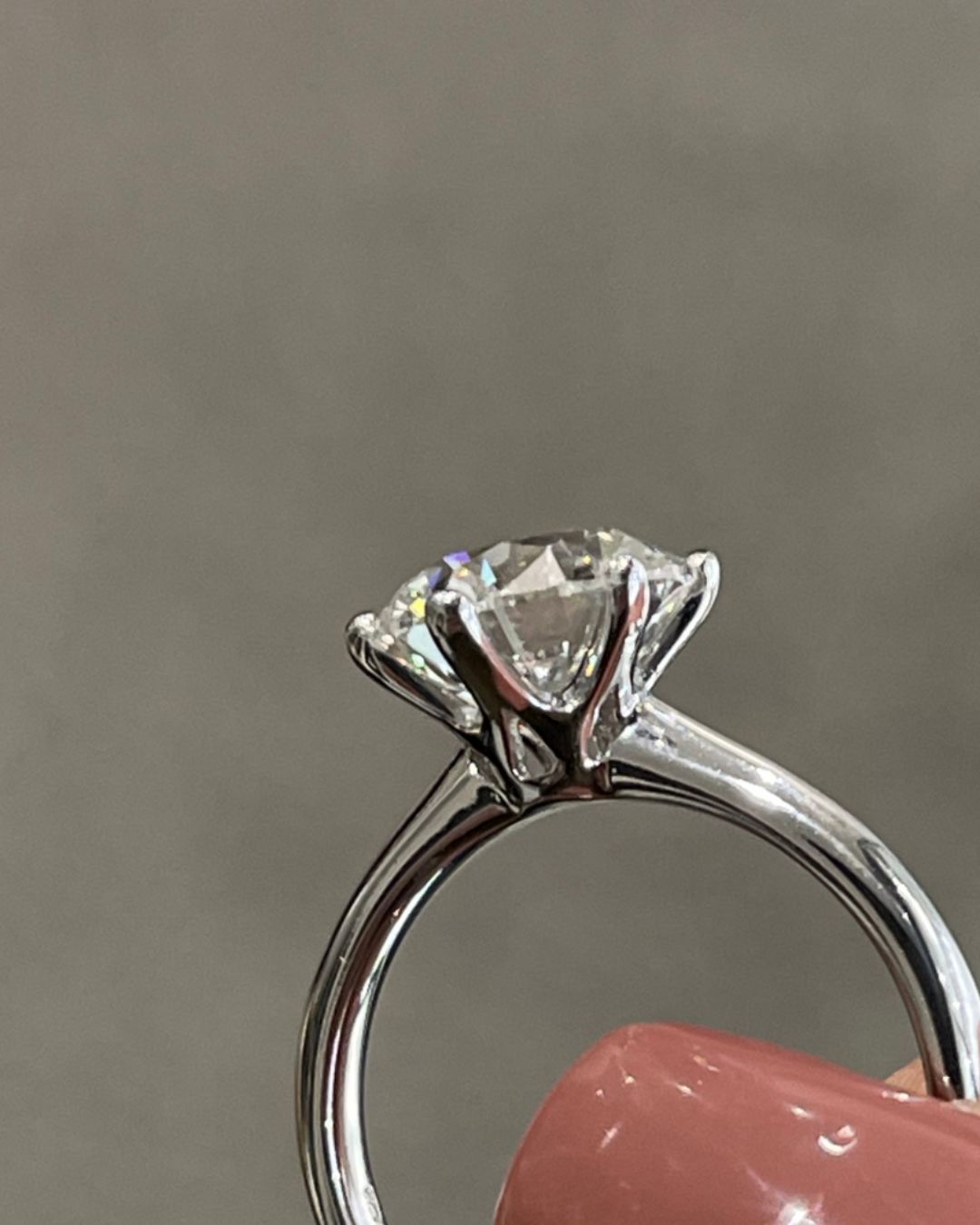
Absolutely not, and we want to be clear about this. A high-set ring that's been thoughtfully designed and properly built can be just as secure as a low-set one. High settings offer incredible light performance and a stunning visual presence and when the engineering is right, they hold up beautifully.
The problem only comes when height is prioritised over structure. A dramatic setting with weak prongs or poor weight distribution is where things go wrong; and that's a design issue, not a height issue.
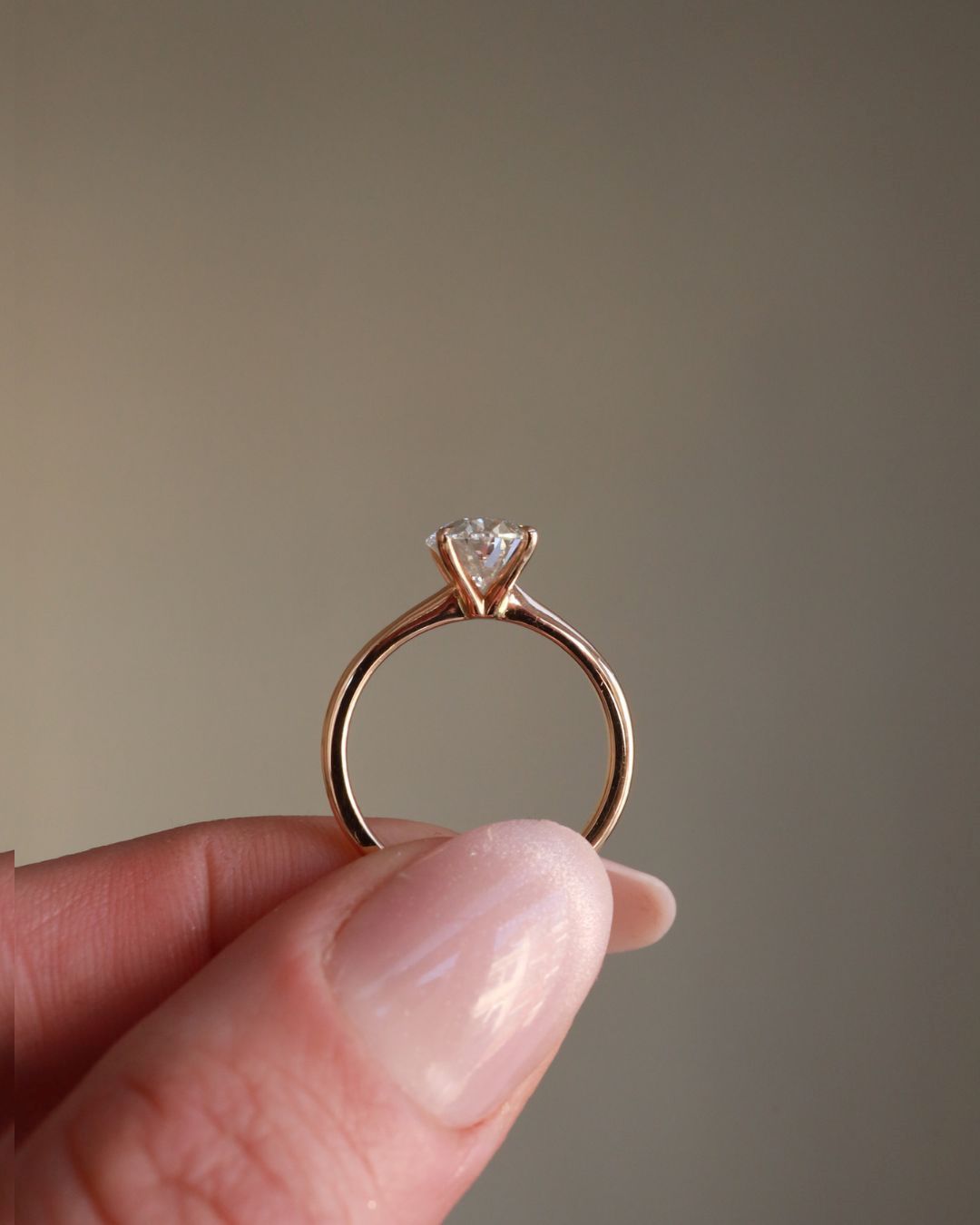
Here it is, the thing we tell every single client: durability comes from thoughtful design, not just height.
A low-set ring built carelessly will fail. A high-set ring built with precision will last forever. The height of your setting is just one piece of the puzzle. And honestly, not the most important one.
That's why when we sit down to design a ring with you, we don't just ask what you want it to look like. We ask how you live. Because a ring should be built around your actual life: your job, your hobbies, your habits, not just the aesthetic you fell in love with on Pinterest.
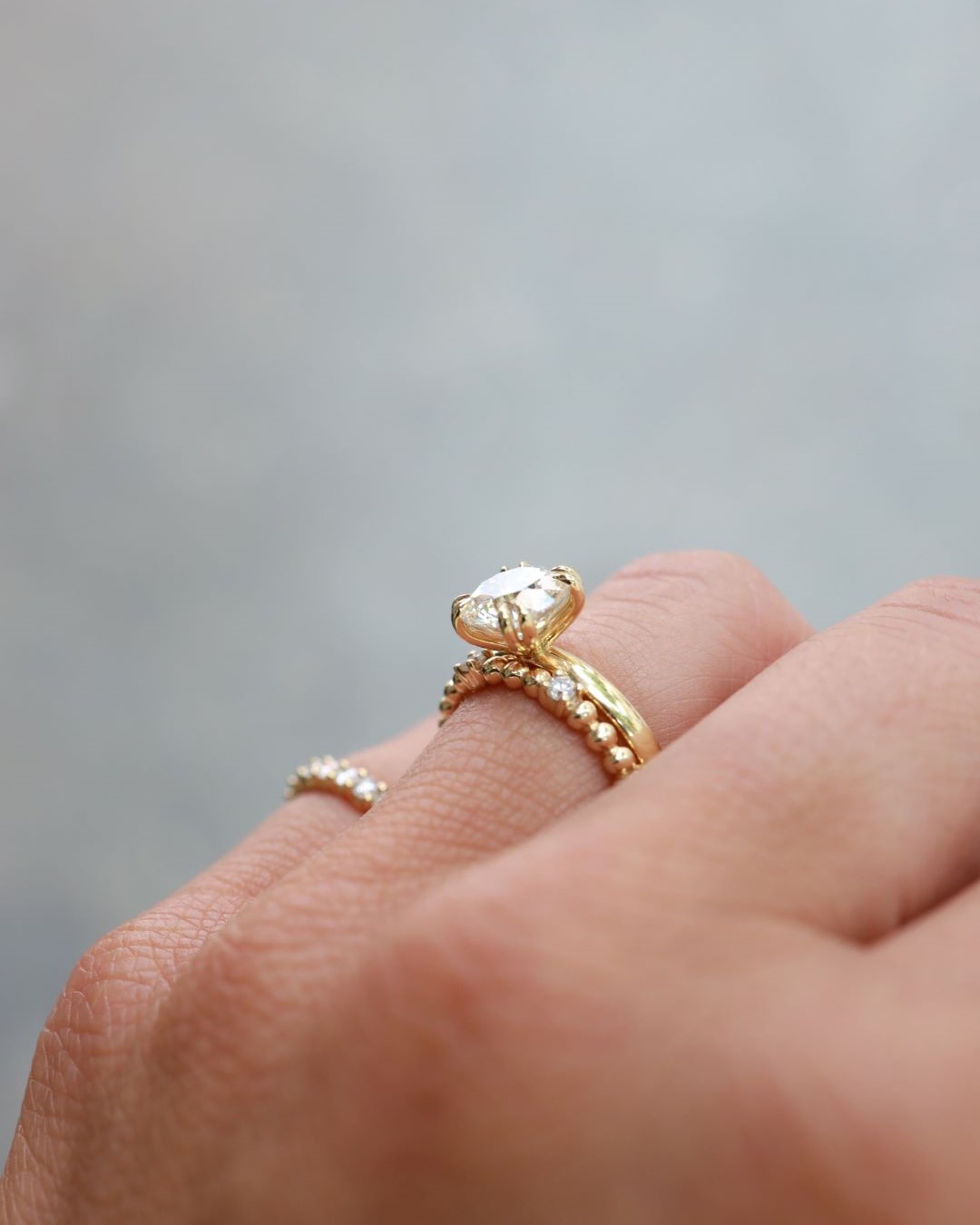
If you're active, hands-on, or wear your ring 24/7, a low-set design is worth seriously considering. If you love the elevated look and your lifestyle allows for it, a high-set ring designed with intention is absolutely a viable choice.
The best ring isn't the prettiest one in isolation but the one that works with your life and still makes you catch your breath every time you look at it.
Thinking about your ring design? We'd love to chat. Get in touch and let's build something made for the way you actually live.