
- Need Help?
 Virtual Appointment
- Book Appointment
- 0
 Your shopping cart is empty
Login to view previously saved items or track a recent order.
Login to view previously saved items or track a recent order.
 Back
Back02/18/2026
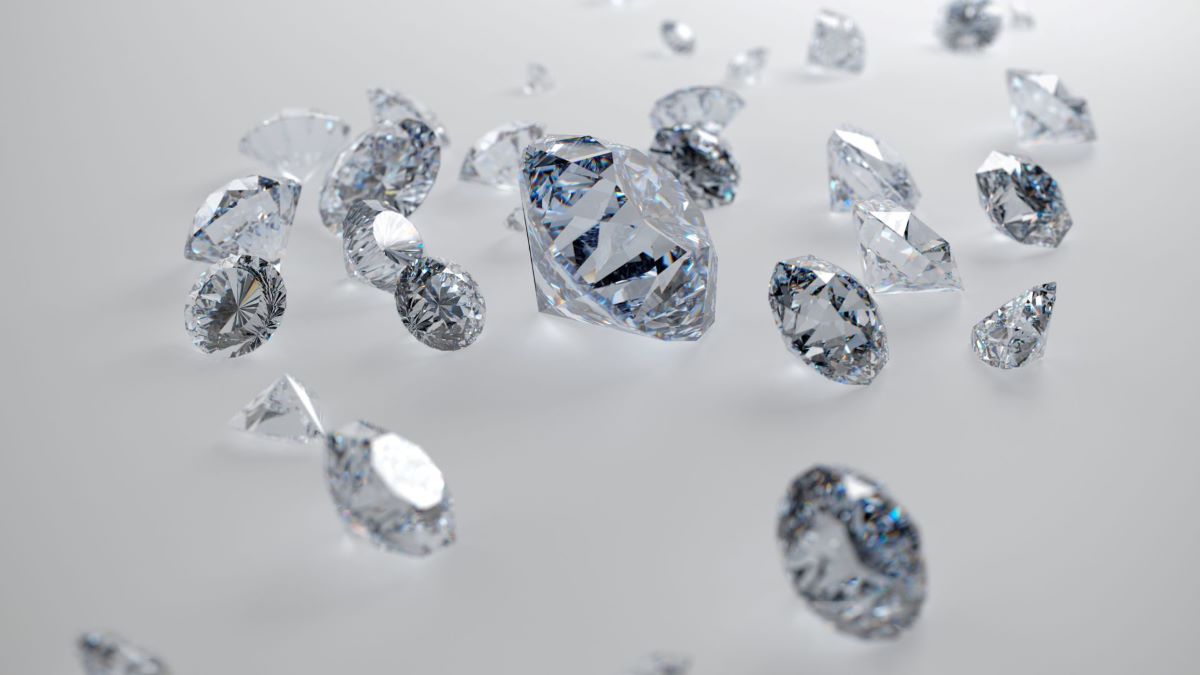
Right then, let's talk about the elephant in the room—or should I say, the diamond in the lab. If you've been scrolling through engagement ring inspiration lately, you've probably noticed lab grown diamonds are absolutely everywhere. And for good reason.
We're getting loads of questions from customers who are intrigued but understandably curious. So, we've rounded up the most common queries we hear at Harmony Jewels and given you the straight answers. No fluff, no technical jargon that'll make your eyes glaze over—just the facts you actually need.
This myth needs to die a dignified death. Lab-grown diamonds are identical to mined diamonds in their physical, chemical, and optical properties — same carbon structure, same everything. If a mined diamond doesn’t go cloudy (and it won’t), neither will a lab-grown one.
Your lab grown diamond will sparkle just as brilliantly in 50 years as it does today. The only thing that'll make it look dull is the same culprit that affects all diamonds: dirt, soap residue, and hand cream buildup. A quick clean sorts that right out.
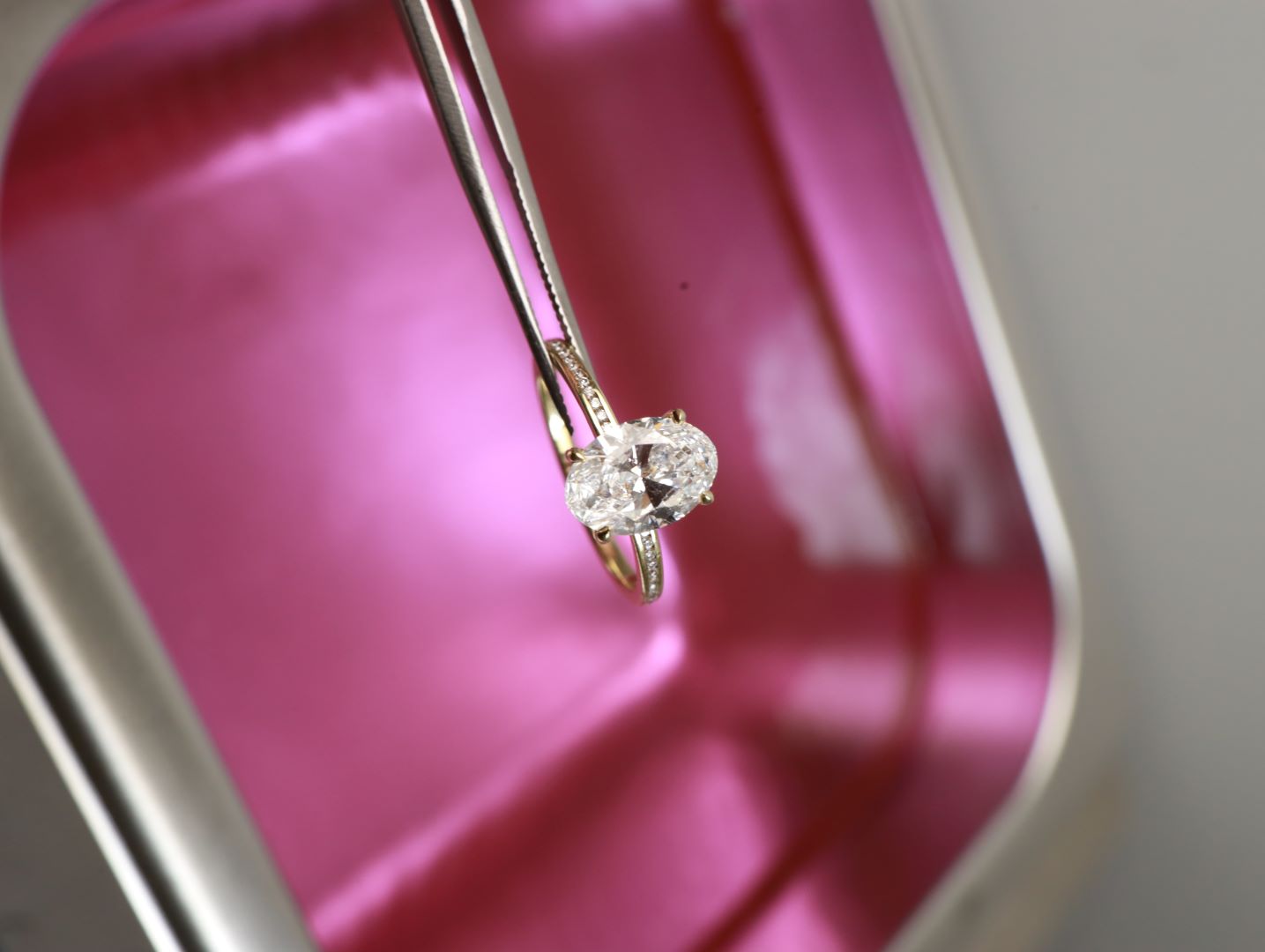
Without testing equipment? Absolutely not. Lab grown diamonds require specialised gemological instruments to identify—we're talking expensive kit that examines microscopic growth patterns or uses spectroscopy.
Your future mother-in-law won't know. Your friends won't know. Even most jewellers won't know unless they specifically test for it. And here's the thing: why would they? Lab grown diamonds are real diamonds. Full stop.
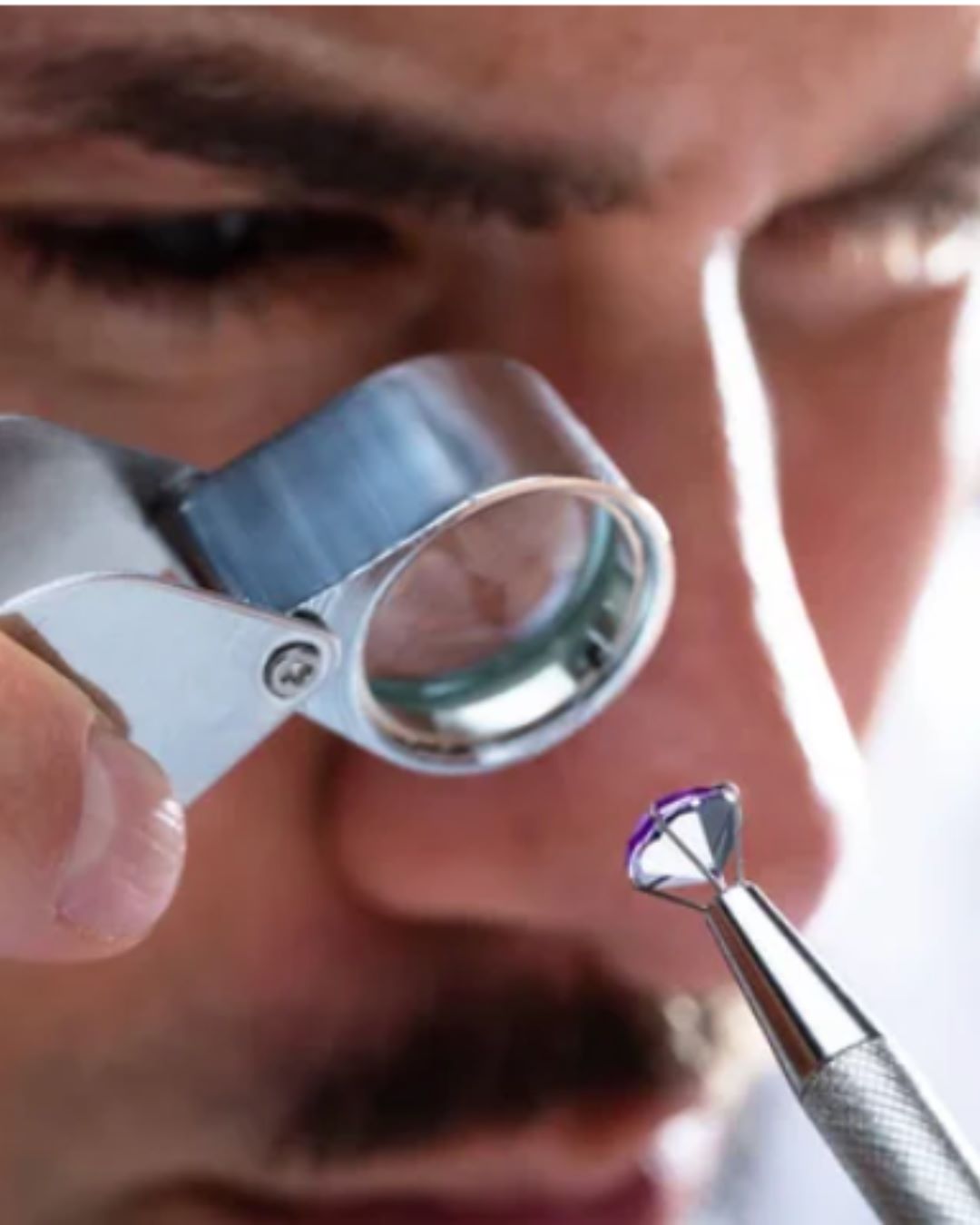
Let's be brutally honest: most diamonds—whether lab grown or mined—aren't brilliant investments. You'll typically get 30-50% of what you paid if you sell, regardless of origin.
The difference? You're starting with a lab grown diamond that cost significantly less, so there's less to lose anyway. Plus, if you're buying a diamond for an engagement ring or special jewellery, you're buying it for love and meaning, not as a pension plan.
This one's nuanced. Lab grown diamonds do eliminate the environmental disruption of mining—no massive open pits, no habitat destruction. However, growing diamonds requires substantial energy.
The good news? Many producers are increasingly using renewable energy sources. When you buy from reputable suppliers (like us!), you can ask about their energy practices. It's not perfect, but it's generally considered a more sustainable choice than traditional mining.
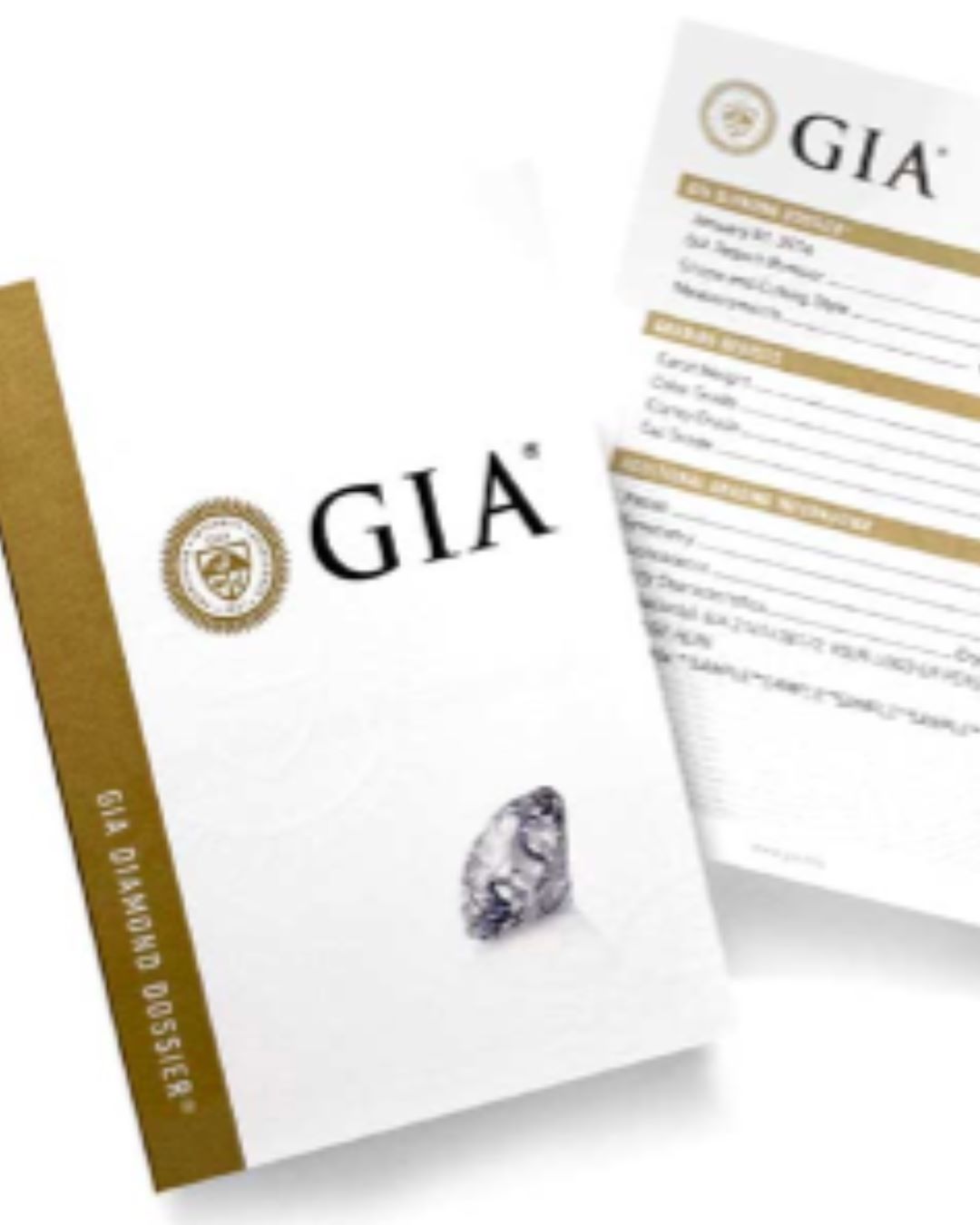
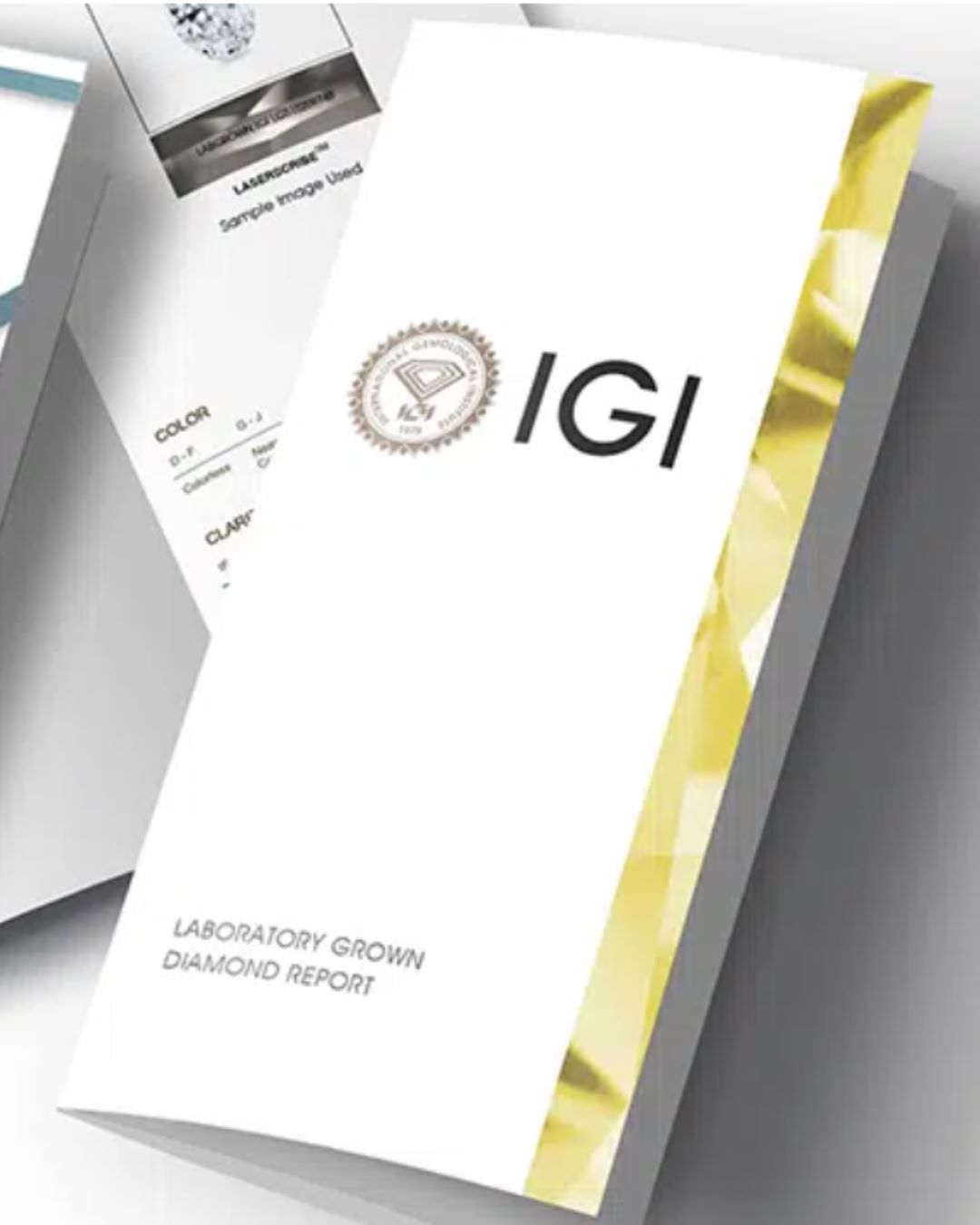
Here's where you need to get your facts straight: lab grown diamonds are real diamonds. They're certified by the same institutes (GIA, IGI), they have the same physical properties, and they're recognised as genuine diamonds by gemological authorities worldwide.
If your partner wants a diamond with a romantic underground origin story, that's a preference about provenance, not authenticity. Have an honest conversation about what matters most: the size and quality you can afford, or the origin story.
The lab grown diamond market has absolutely exploded, and there are some genuinely exciting developments:
Fancy Colours Are More Accessible: Always fancied a pink or yellow diamond? Lab technology has made fancy colour diamonds far more affordable and consistent in colour quality than their natural counterparts.
Larger Sizes, Better Quality: Technology has advanced to the point where producing high-quality stones over 3 carats is increasingly common and affordable. That statement piece you've been dreaming about? It's within reach.
Better Certification Standards: Grading reports have become more detailed, with some labs now including information about the growth method used, giving you even more transparency about your purchase.
Mainstream Acceptance: Major luxury brands and high-street jewellers alike have embraced lab grown diamonds. It's no longer a niche choice—it's simply another option in the jewellery world.
Look, we're not here to tell you that lab grown diamonds are the only choice. At Harmony Jewels, we believe in informed decisions. What we are saying is that lab grown diamonds offer incredible value, undeniable quality, and a modern approach to fine jewellery.
Want to see the difference for yourself? Pop into our Hatton Garden showroom and compare lab grown and natural diamonds side by side. We challenge you to spot the difference without peeking at the certificates.
Still have questions about lab grown diamonds? Get in touch with the Harmony Jewels team—we're always happy to chat over a cuppa and help you find your perfect stone.
Are lab grown diamonds GIA certified? Yes, since 2007.
Do they look different? No, not to the naked eye or even under standard jeweller's loupe.
How long do they last? Forever. Same hardness rating (10 on Mohs scale) as natural diamonds.
Can I insure a lab grown diamond? Absolutely, just like any other diamond.
What's the price difference? Typically 60-80% less than comparable natural diamonds.
Are they suitable for engagement rings? Completely. Many of our customers choose lab grown for their engagement rings and are absolutely thrilled.