
- Need Help?
 Virtual Appointment
- Book Appointment
- 0
 Your shopping cart is empty
Login to view previously saved items or track a recent order.
Login to view previously saved items or track a recent order.
 Back
Back05/20/2026
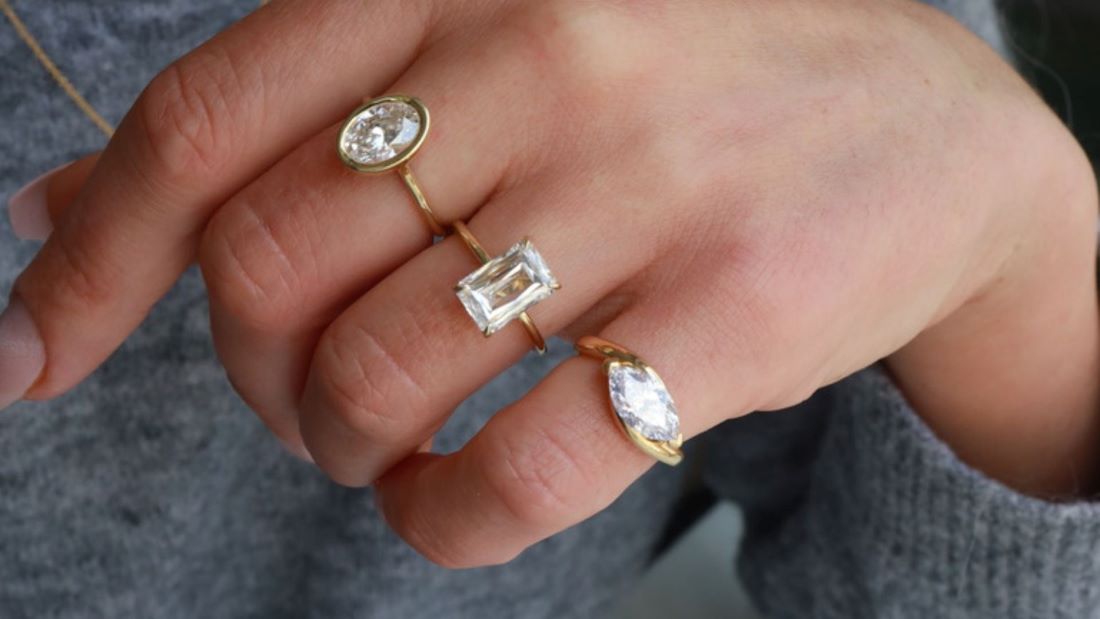
Choosing an engagement ring is one of the most personal decisions you'll ever make, and if you have small hands, it can feel like an extra layer of pressure. Which stone shape will flatter your fingers? Will a large diamond look overwhelming? Does band width really matter that much?
The good news: small hands are actually one of the most versatile canvases in jewellery. With the right guidance, the ring you end up with won't just look beautiful; it will look made for you. Because, at its best, it will be.
At our Hatton Garden showroom, we design every ring from the stone outward, built entirely around your hand, your style, and your story. This guide draws on years of experience helping clients find their perfect ring.
Before diving in, it's worth knowing how the jewellery industry defines this. Ring size is the most reliable guide: in professional terms, anything under a size L (UK) or size 5 (US) is generally considered small. But hand shape matters just as much as size: some people have shorter fingers with a wider palm; others have slim, longer fingers on a petite hand. Both present different styling opportunities.
The key principle, regardless of hand type, is proportion. A ring that works beautifully in a display cabinet might feel completely wrong on a smaller finger and that gap between theory and reality is exactly why trying rings on (or working with a skilled bespoke jeweller) matters so much.
Not all diamond shapes are created equal when it comes to petite fingers. The shapes that work best share one characteristic: they direct the eye along the length of the finger rather than across it. Here are the five cuts our Hatton Garden team recommends most often.
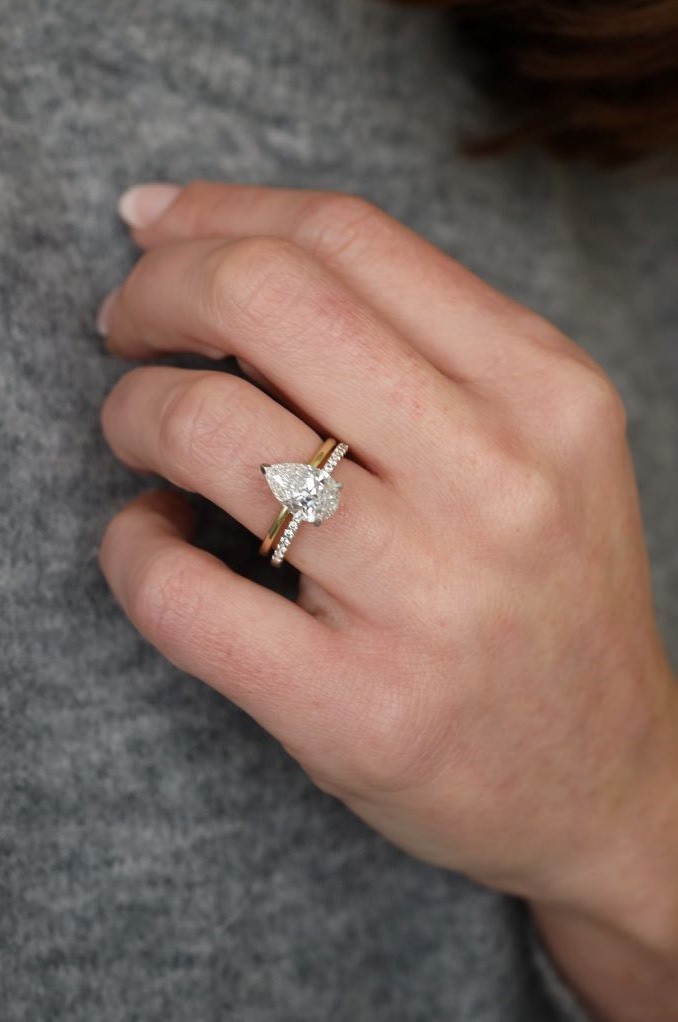
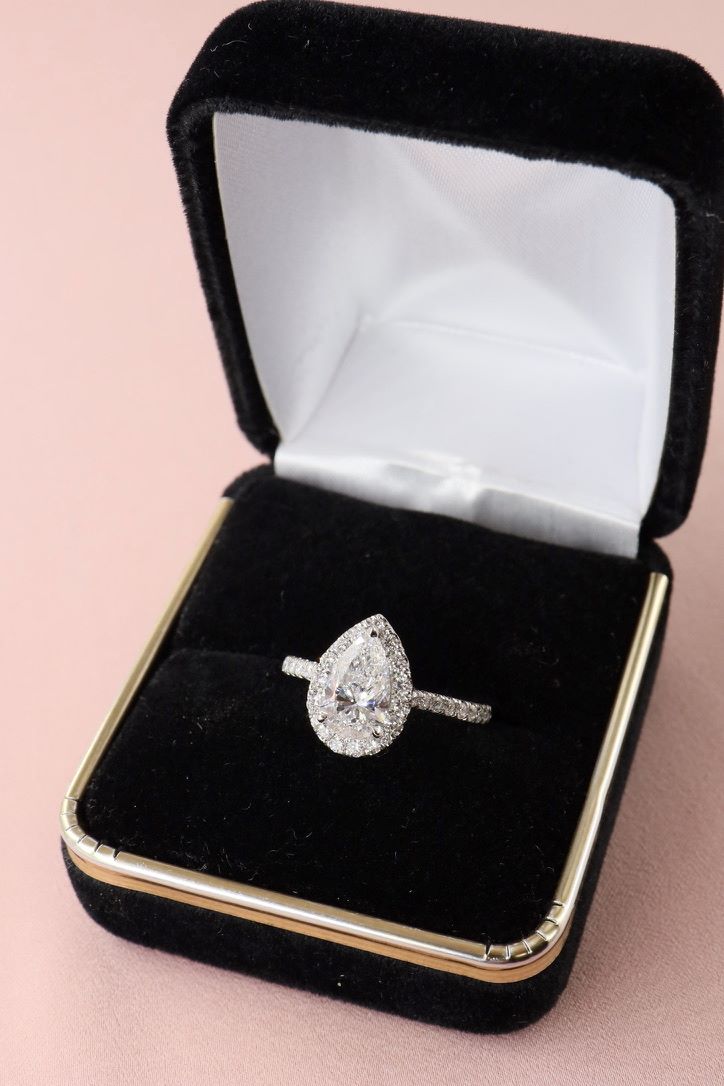
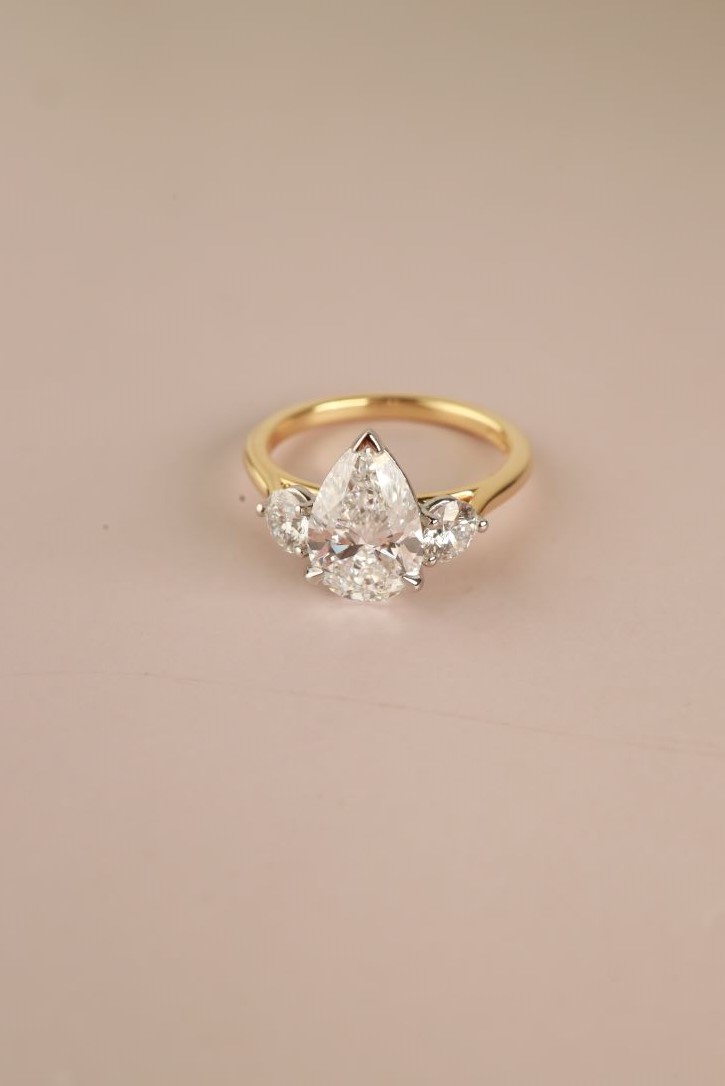
If there is one diamond shape that consistently earns a "yes" from clients with smaller hands, it is the pear cut. The teardrop silhouette, a rounded base tapering to a single point, runs lengthwise along the finger, drawing the eye upward and creating the elegant illusion of a longer, slimmer hand.
There is also a practical advantage: a pear-cut diamond's surface area is approximately 8% larger than a round diamond of the same carat weight, which means you get more visible diamond for your budget.
The pear is also extraordinarily versatile. Worn with the point toward the knuckle (the traditional orientation), it elongates beautifully. Worn horizontally across the band, it becomes modern and statement-making. Worn in a halo setting, it gains drama and presence.
Celebrity examples abound: Margot Robbie, Sophie Turner, and Victoria Beckham have all worn pear diamonds, but the shape's real appeal lies in how distinctly personal it feels compared to more conventional choices.
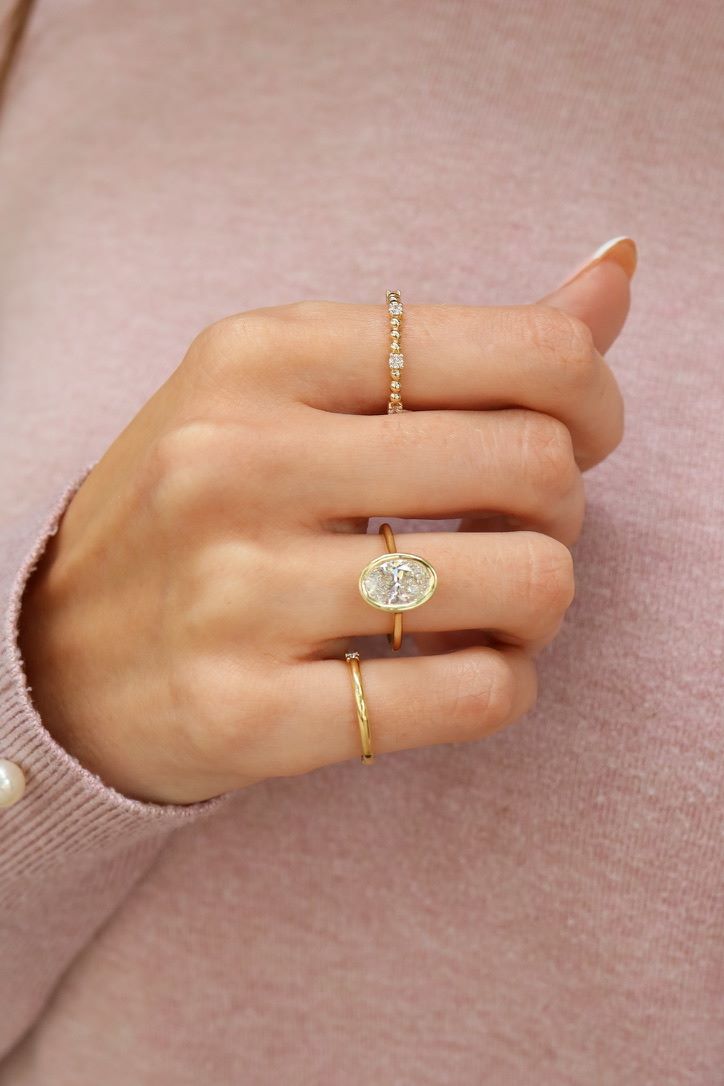
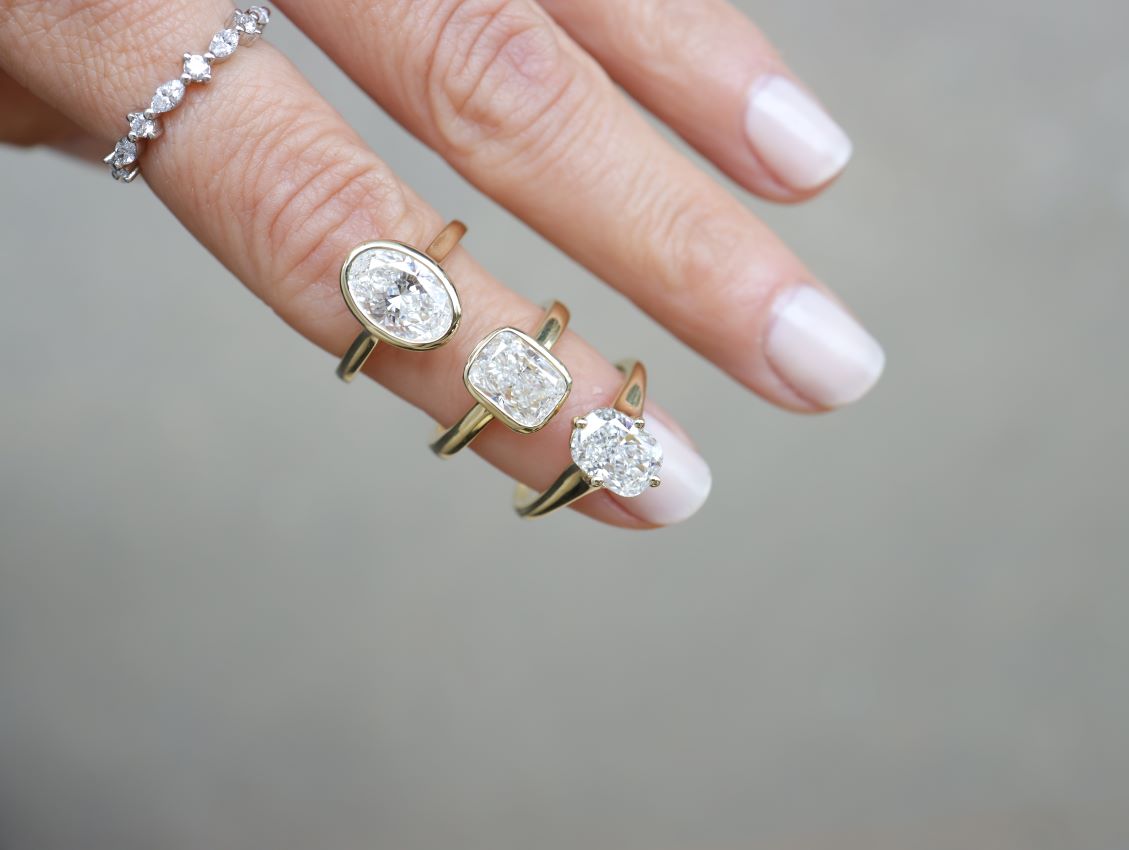
The oval is the pear cut's closest cousin and another exceptional choice for small hands. Like the pear, it sits vertically on the band, elongating the finger and creating a slender, feminine look. It also appears larger than a round diamond of the same carat weight.
The oval suits clients who want the elegance of a classic shape with a softer, more romantic feel than the pointed marquise. It works beautifully in solitaire settings and pairs especially well with a delicate, tapered band.
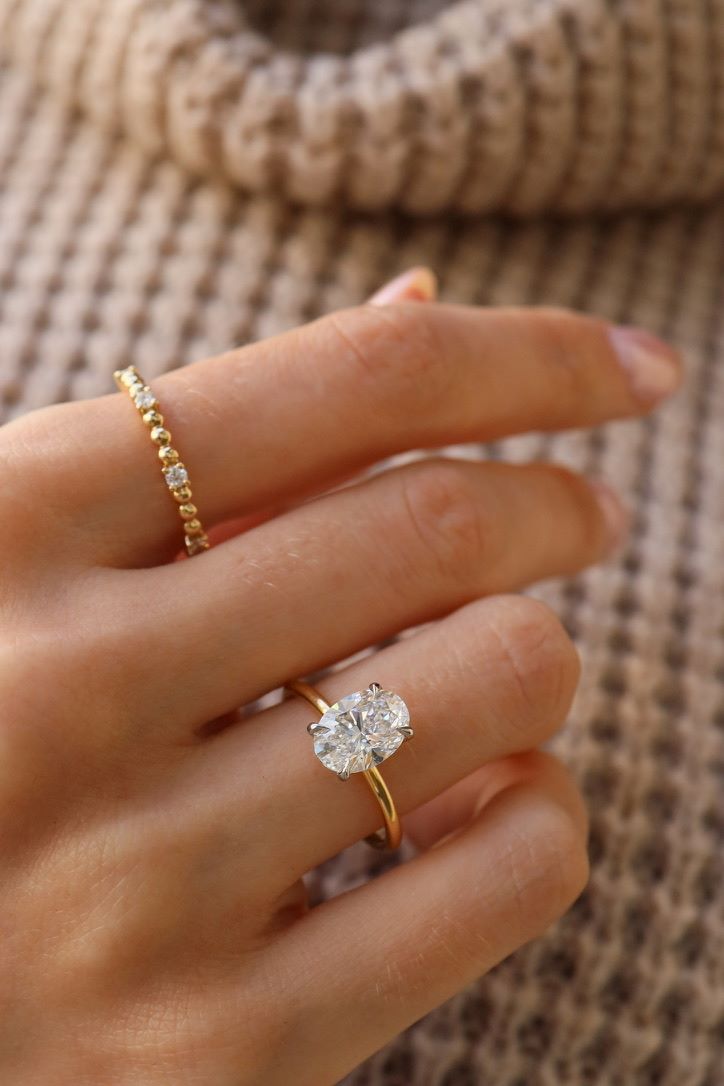
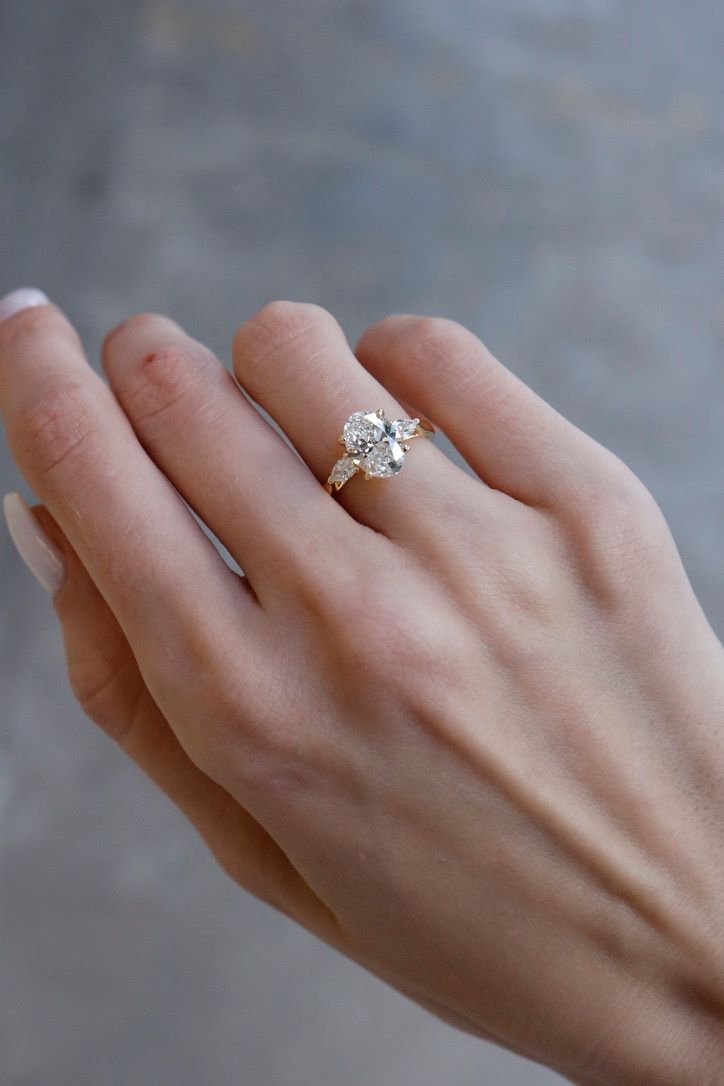
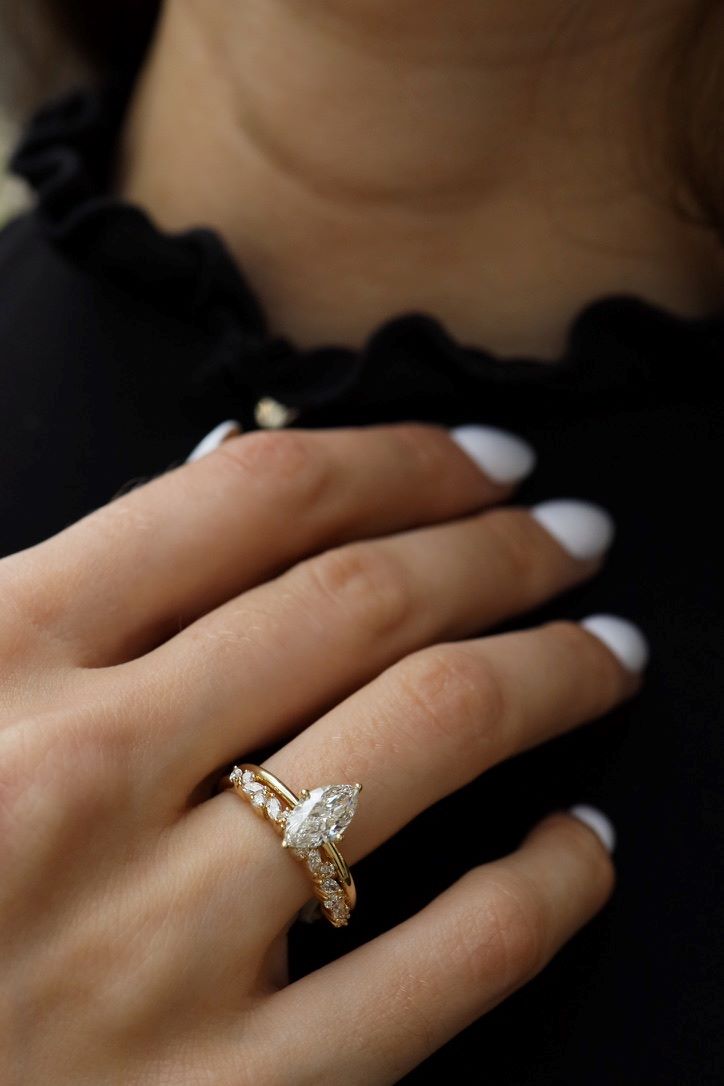
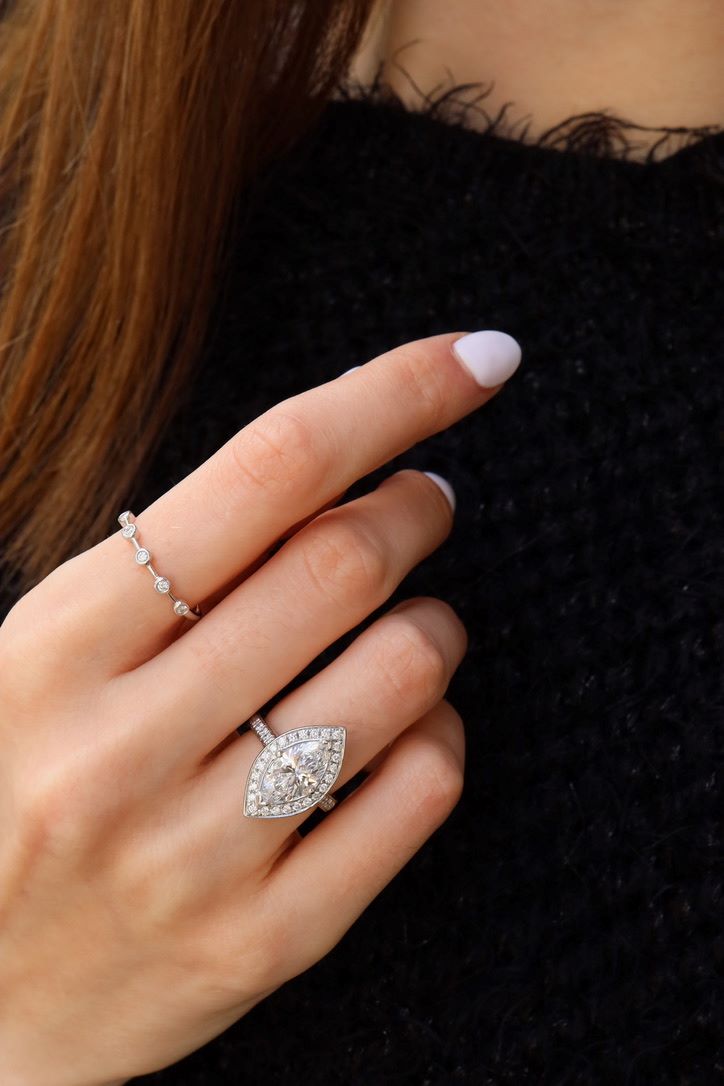
One of the most elongating shapes in existence, the marquise is a pointed oval that maximises the visual length of the finger. It's bolder in character than a pear or oval; ideal for someone who wants a ring that commands attention. On small hands, it can look striking without being overwhelming, provided the band remains slender and the carat weight is kept proportional.
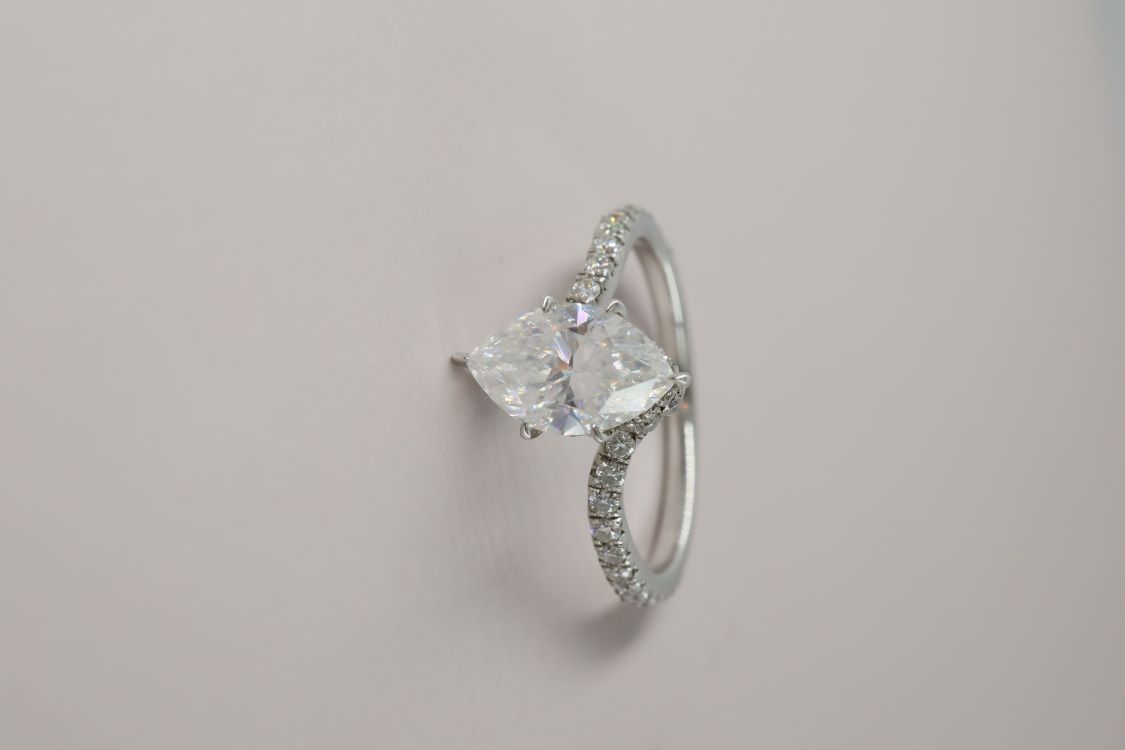
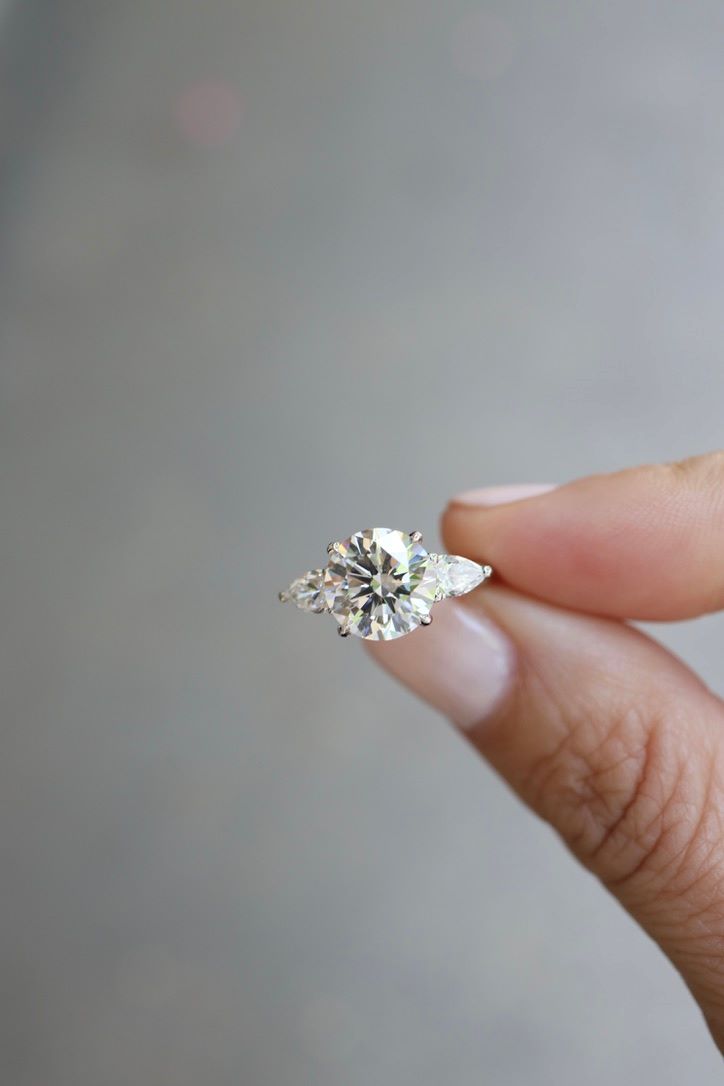
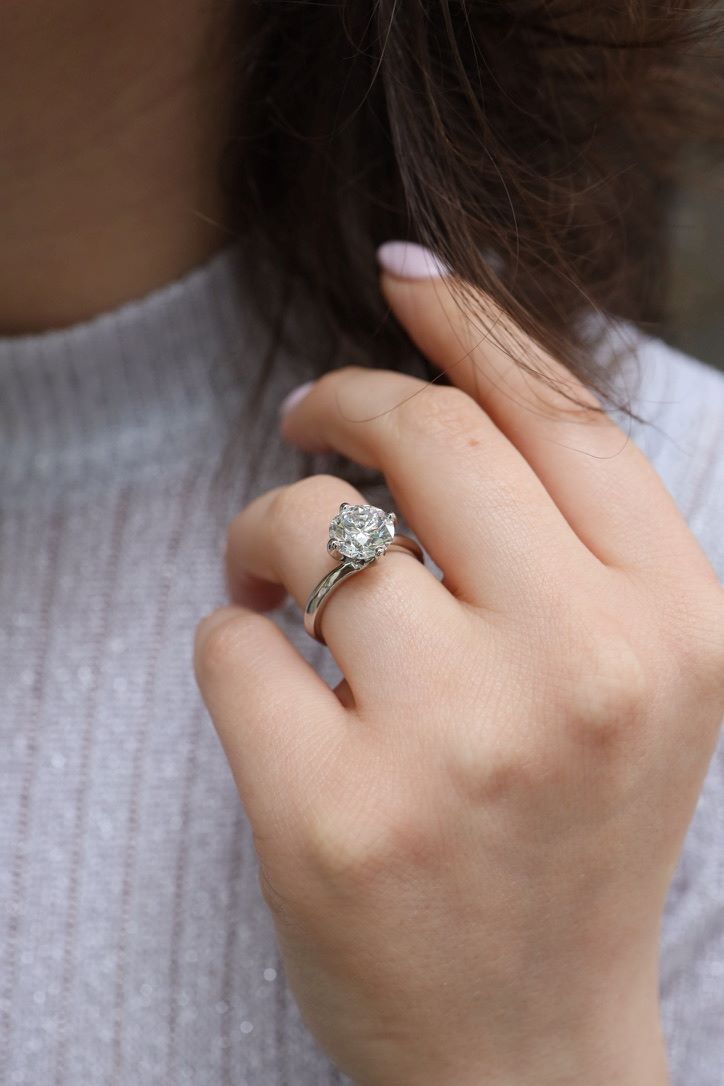
The round brilliant is the world's most popular diamond cut for good reason: it is timeless, universally flattering, and delivers unmatched sparkle. For small hands, it works beautifully when paired with a thin band and a modest carat weight. It doesn't offer the elongating effect of the shapes above, but a well-cut round diamond on a petite finger can look genuinely breathtaking.
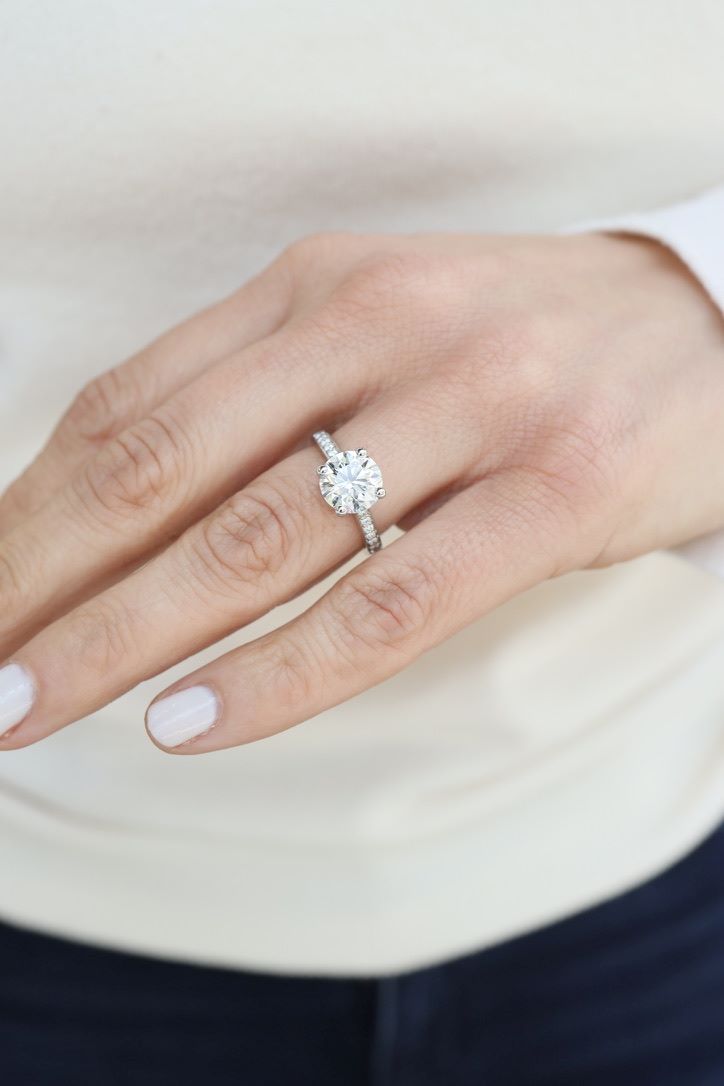
The emerald cut; a rectangular step-cut stone with cropped corners, is less immediately obvious for small hands, but it can work extraordinarily well when sized correctly. Its long, clean lines can elongate the finger elegantly, and the understated sophistication of a step cut appeals to clients who prefer art deco geometry over brilliant sparkle. The key is keeping the width of the stone proportional to the finger.
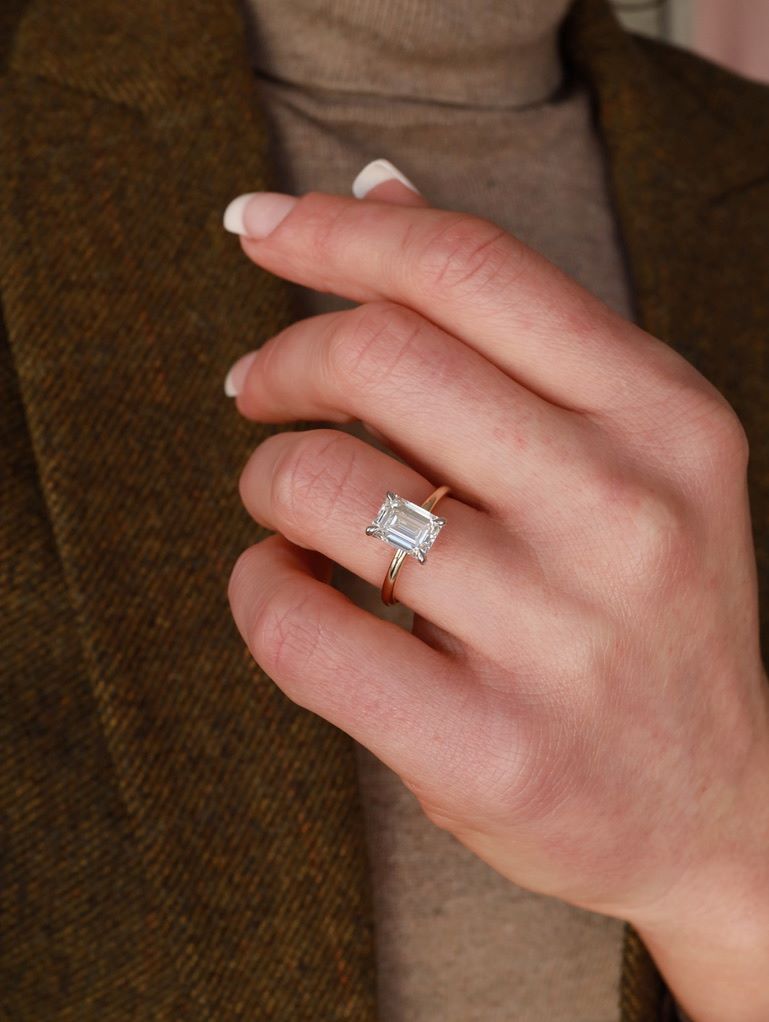
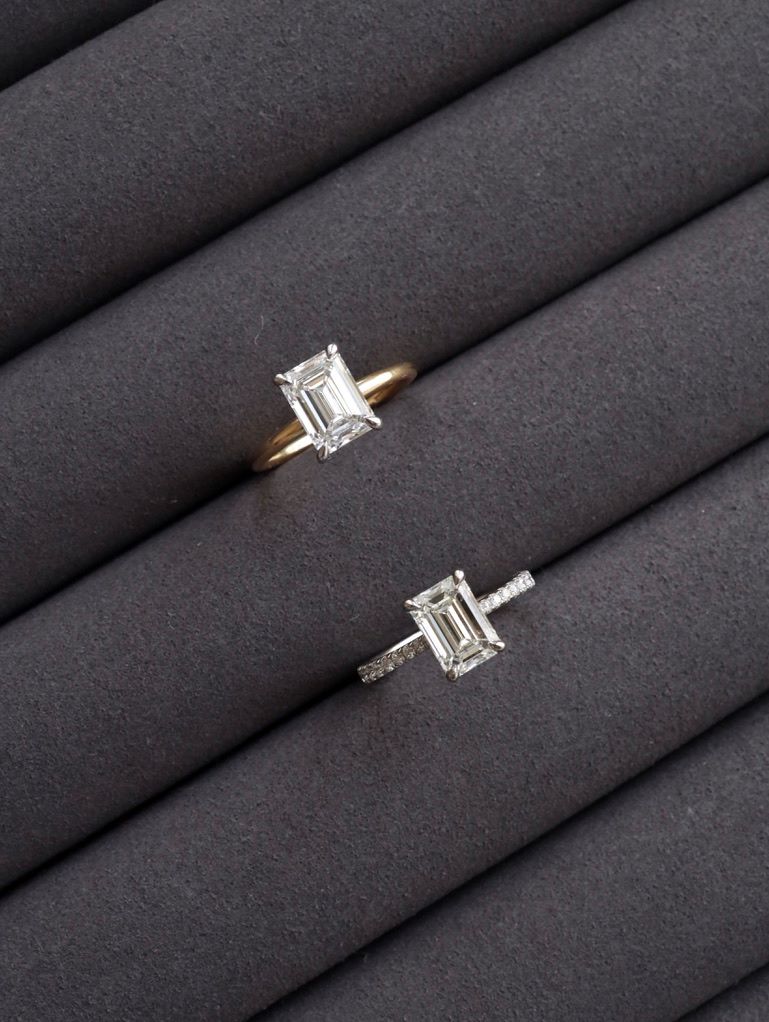
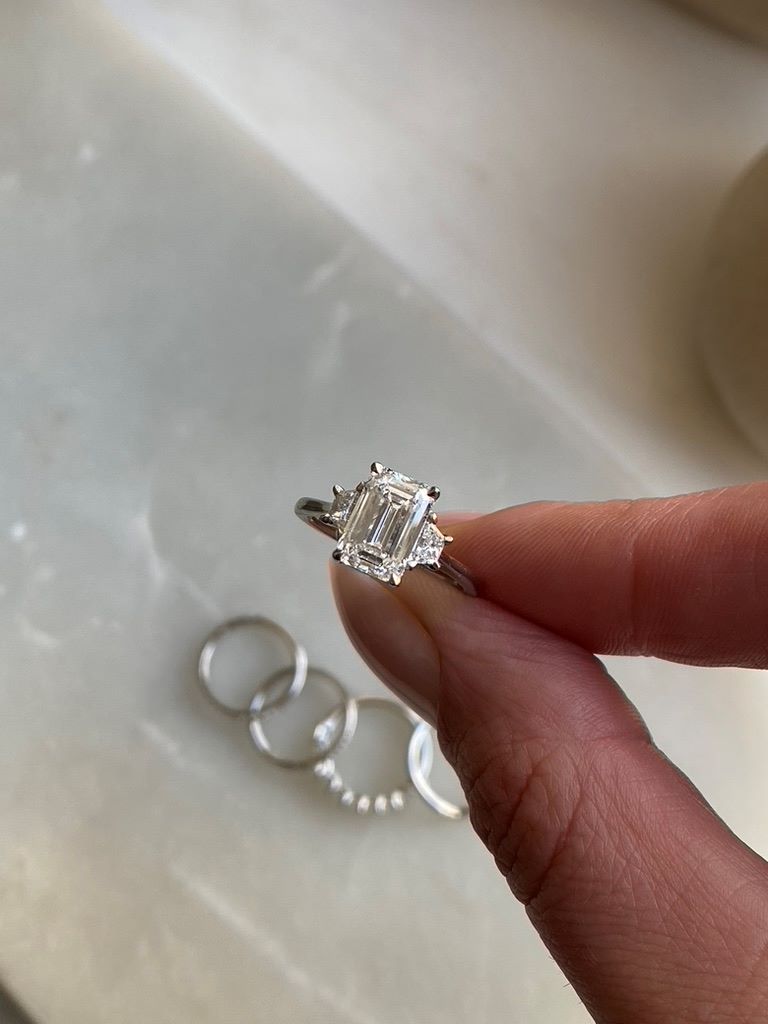
The solitaire is the gold standard for small hands. Its clean, uncluttered design focuses all attention on the centre stone, and the absence of extra visual weight keeps the ring looking balanced and proportionate. A classic four-claw or six-claw solitaire in a tapered setting is one of the most universally flattering ring styles there is.
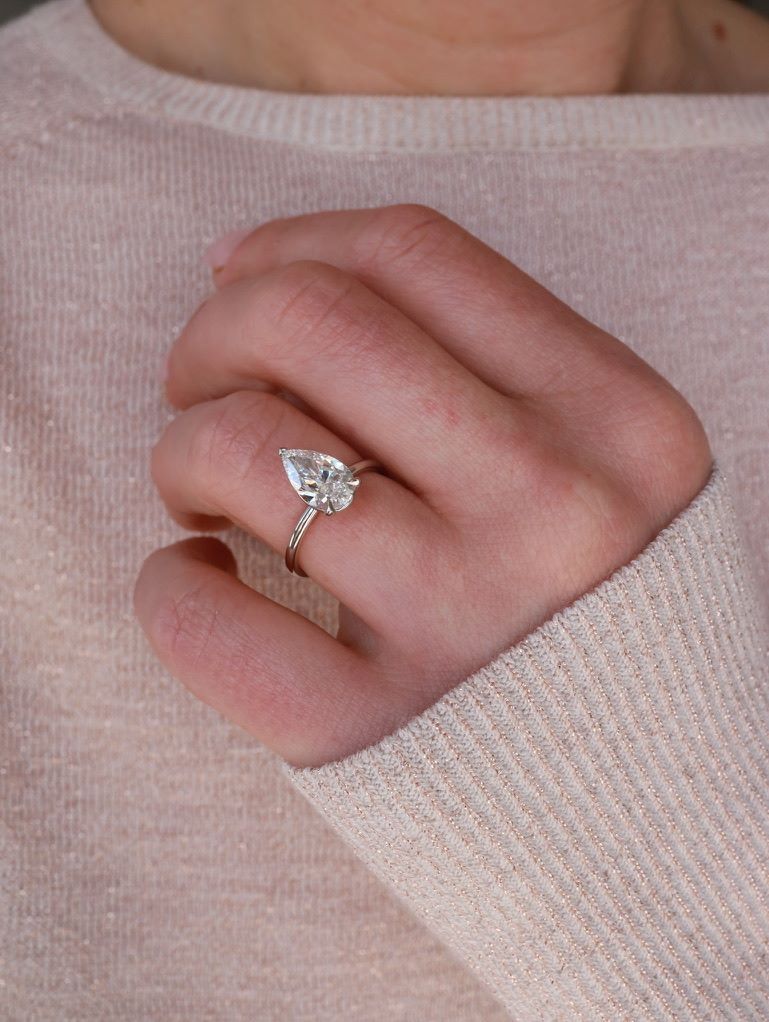
A halo; a ring of smaller diamonds surrounding the centre stone, can work beautifully on small hands, provided the centre stone is small enough that the halo doesn't push the overall look into overwhelm. When the proportions are right, a halo setting adds sparkle and the appearance of a larger stone, all while keeping the footprint modest.
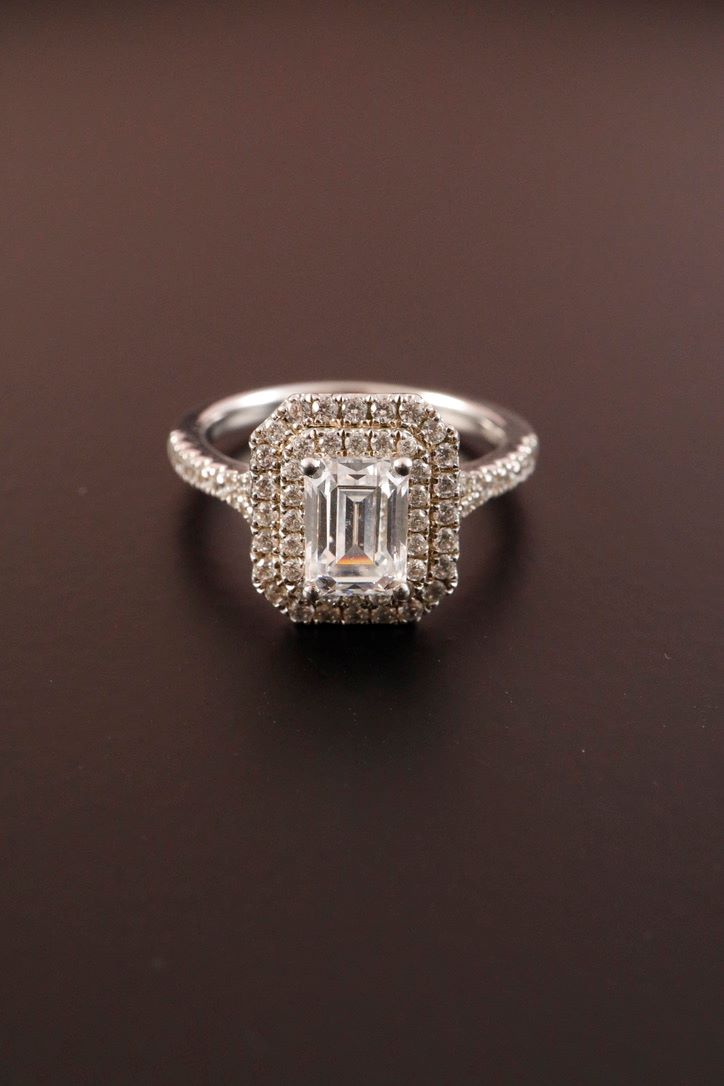
Adding pavé or channel-set diamonds to the band is a smart way to introduce extra sparkle without adding visual bulk. The diamonds sit flush with the metal, elongating the ring's overall look without widening the band. This is particularly effective when combined with an elongated centre stone like a pear or oval.
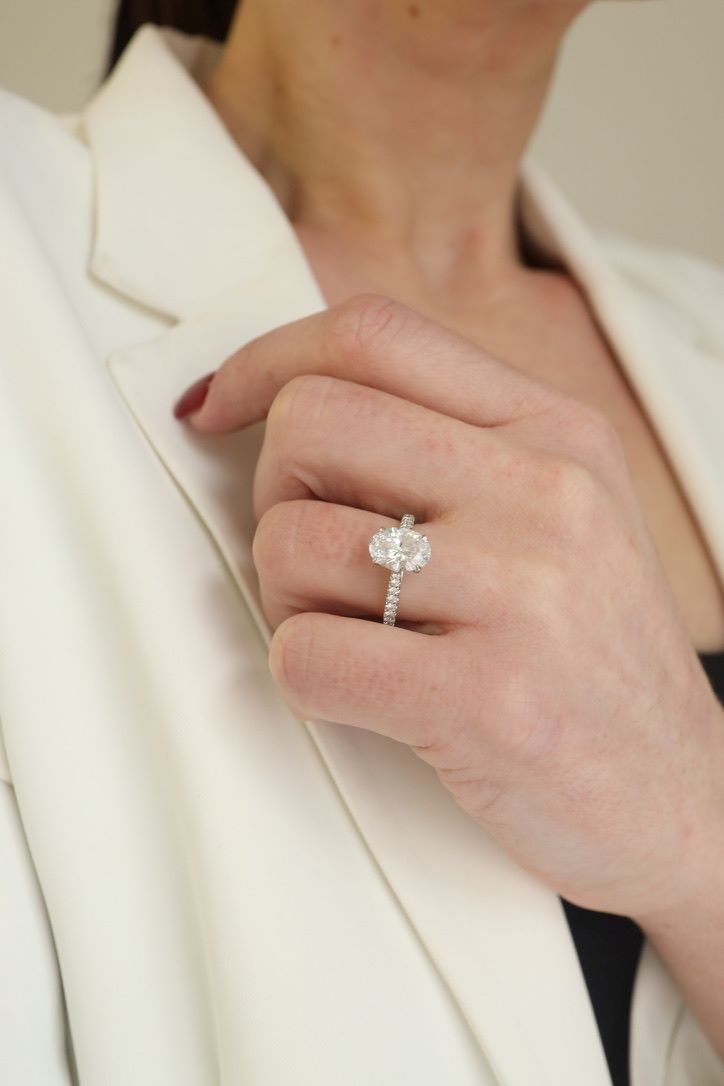
A bezel (or rubover) setting; where the centre stone is encircled by a smooth collar of metal, offers an elegant, modern alternative to claw settings. It has the added practical benefit of protecting the stone on all sides, making it an excellent choice for active wearers.
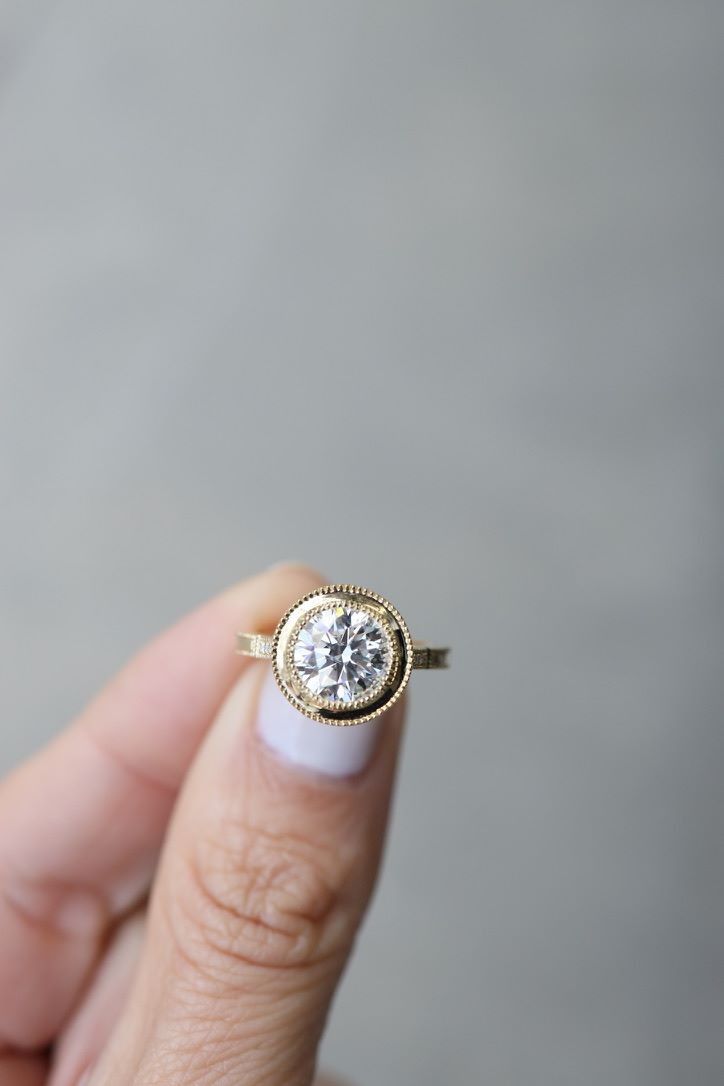
This is where many people make their biggest mistake. A wide band on a small hand does two things: it takes up a disproportionate amount of the finger, making hands look shorter; and it visually reduces the apparent size of the centre stone.
For small hands, a band width between 1.5mm and 2.2mm is typically the sweet spot. This keeps the ring looking delicate and feminine, lets the centre stone take centre stage, and maintains the proportional balance that makes a ring look effortlessly right.
One additional benefit of a slimmer band: it makes the centre stone appear larger than it actually is, which means you can choose a more modest carat weight without losing any of the impact.
There is no definitive answer here, but as a general guide, diamonds between 0.5ct and 1.5ct tend to work best for smaller hands. Below 0.5ct can feel a little understated for an engagement ring; above 1.5ct risks tipping into disproportionate territory, though this is highly dependent on diamond shape, setting, and the individual's finger proportions.
One important nuance: carat weight and visual size are not the same thing. A 1ct pear cut will look noticeably larger on the hand than a 1ct round, because of how its surface area is distributed. Choosing an elongated shape is one of the best ways to maximise visual impact at any given carat weight.
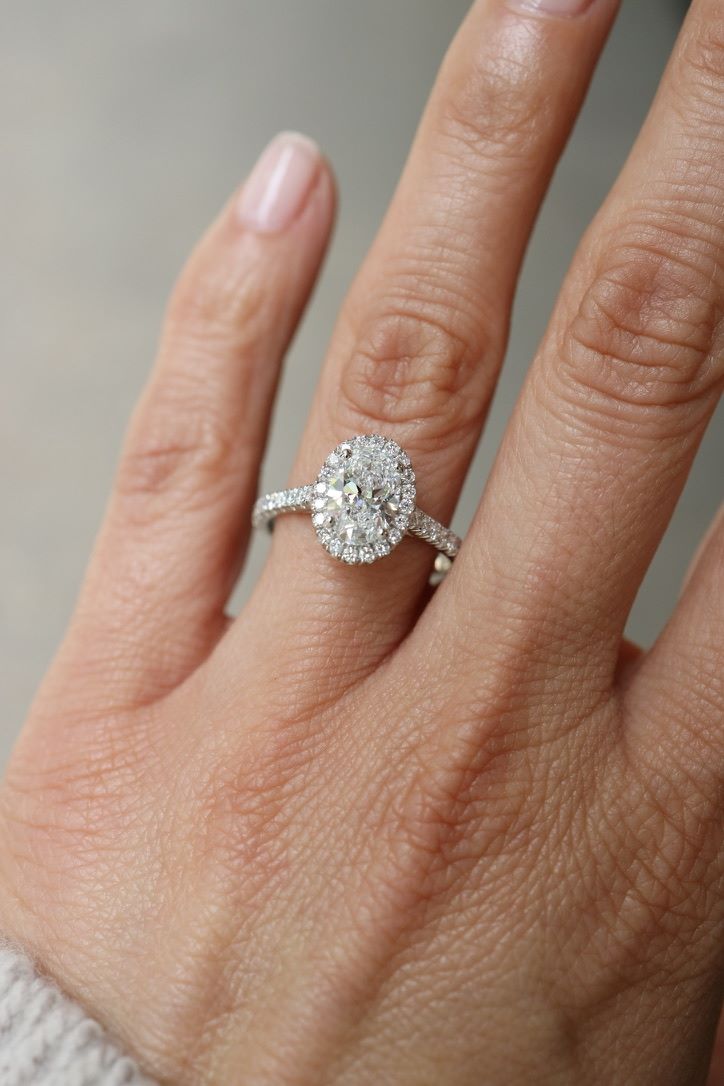
The most popular choices for small hands. Their cool, bright tone keeps the overall look light and unencumbered, and allows the diamond to take full visual priority.
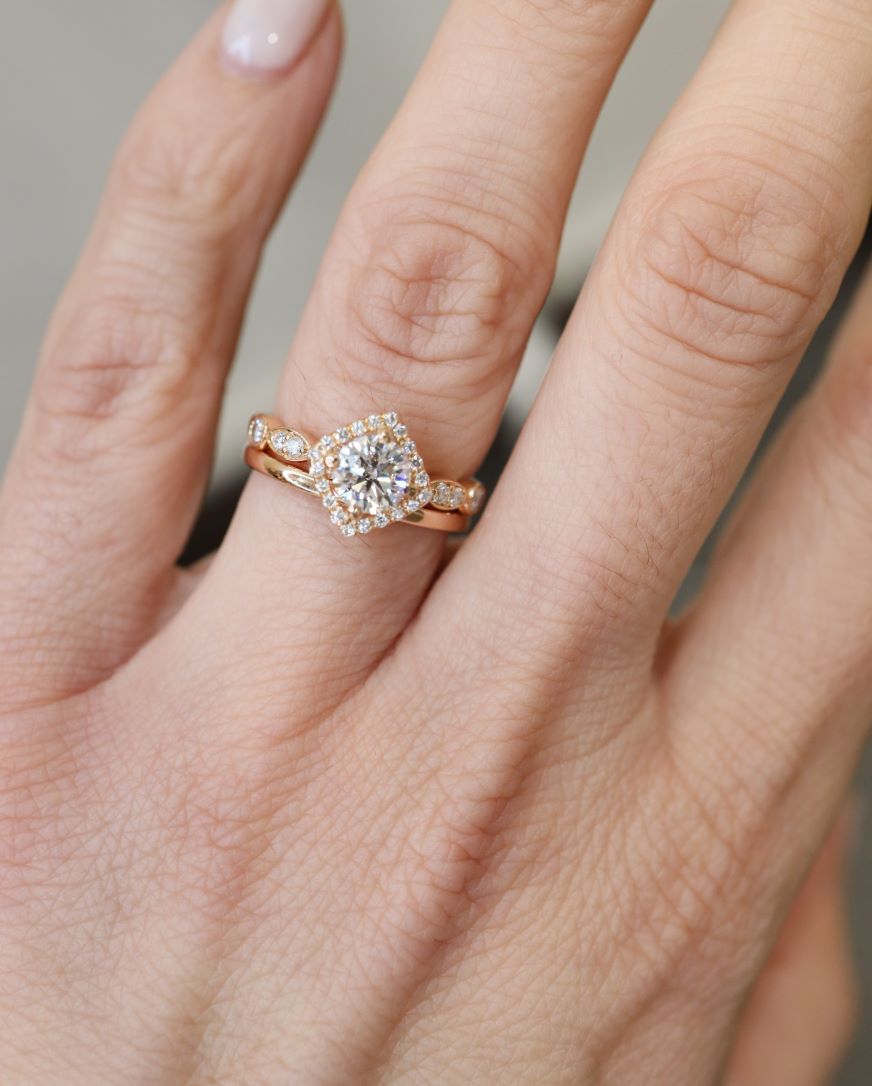
Rose gold has a warmth that suits certain skin tones beautifully and adds a romantic, vintage quality to any ring. It works particularly well with pear and oval cuts.
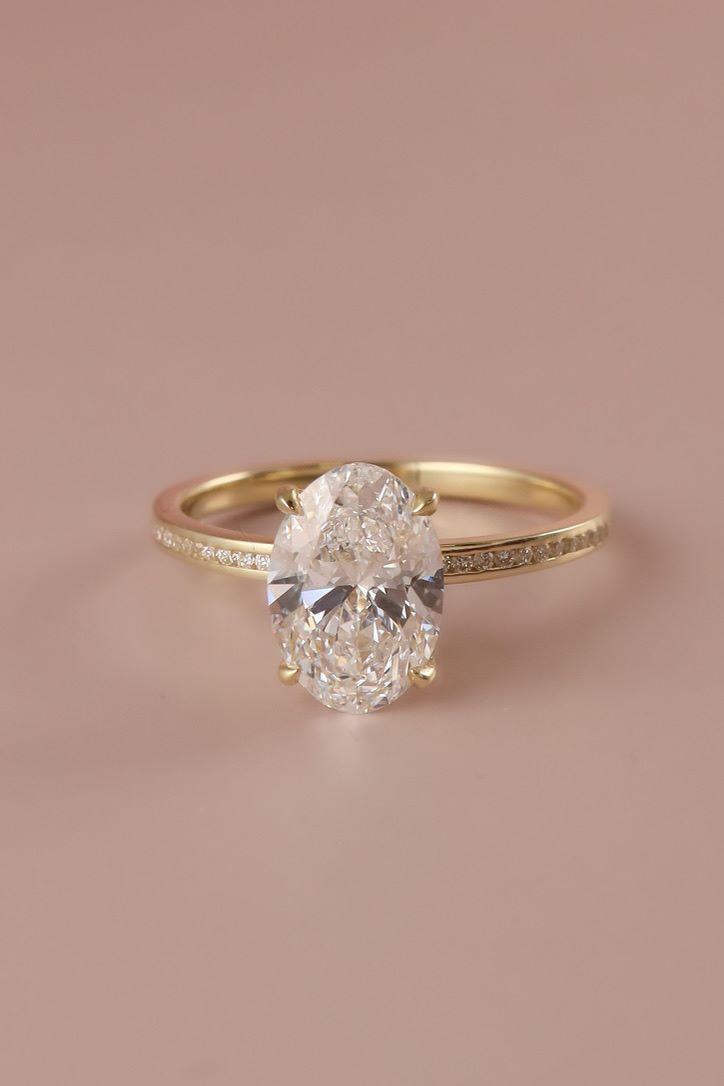
Yellow gold is having a significant revival. On the right skin tone, it is deeply flattering, and it brings out the warmth of fancy-coloured diamonds magnificently, something we see a great deal of at our Hatton Garden showroom.
Ready-made rings are designed to look beautiful on a display stand. A bespoke ring is designed to look beautiful on you.
For clients with small hands, the bespoke process is particularly valuable. It allows every proportional decision; band width, stone size, setting height, carat weight, to be made in relation to your specific finger dimensions. The result is a ring that doesn't just fit; it looks as though it could only ever have been yours.
At our Hatton Garden showroom, bespoke consultations are free, and worldwide shipping is included on every ring we make.
Elongated shapes; particularly pear, oval, and marquise, are consistently the most flattering for small hands, as they draw the eye along the finger and create the illusion of greater length. The pear cut is especially popular for its versatility and its ability to look larger than its carat weight suggests.
Yes, although proportion matters. A well-chosen elongated shape at around 1–1.5ct will typically look more balanced than a wide round stone of similar weight. If you are drawn to a larger stone, working with a bespoke jeweller to find the right shape, setting and band width will make all the difference.
Between 1.5mm and 2.2mm is a good guide. Thinner bands make centre stones appear larger and keep the overall look delicate and proportionate.
Not necessarily, but the centre stone size needs to be calibrated carefully so the halo doesn't overwhelm the finger. A well-proportioned halo on an oval or pear can look exceptional on small hands.
Metal choice is largely a matter of personal preference and skin tone, but white metals (platinum, white gold) tend to keep the overall look light and allow the stone to stand out. Rose gold and yellow gold can also be beautiful depending on the stone shape and the wearer's colouring.
We recommend measuring your finger at the end of the day when it is slightly larger. A professional sizing at a jeweller is always the most accurate option. We offer complimentary sizing at our Hatton Garden showroom.
Every ring we create begins with a conversation. We offer free, no-obligation consultations at our Hatton Garden showroom,
where you can explore stone shapes, settings, and styles with an expert and see exactly how different designs wear on your hand.
Worldwide shipping is included on every bespoke ring we make.
Book your free consultation